The Rise of Esports Influencers
The world of esports has grown exponentially over the past decade, evolving from niche tournaments and local competitions into a global phenomenon. Alongside the rise of professional players and competitive leagues, a new class of personalities has emerged: esports influencers. These individuals have transformed the way fans engage with games, providing entertainment, education, and community-building outside of traditional competition. The rise of esports influencers marks a significant shift in how the industry operates and how gaming culture interacts with a global audience.
This blog explores the factors behind the rise of esports influencers, their impact on the gaming ecosystem, and the strategies that make them successful. From streaming and content creation to brand partnerships and fan engagement, esports influencers play a pivotal role in shaping the industry’s future.
Understanding Esports Influencers
Esports influencers are content creators, streamers, and personalities who leverage their gaming expertise and charisma to connect with audiences online. Unlike professional players who primarily compete in tournaments, influencers engage with fans through entertainment, tutorials, commentary, and community interaction.
These influencers often combine gameplay with personality-driven content, creating a unique connection with their followers. Their influence extends beyond just gaming performance; it encompasses lifestyle, trends, and culture within the esports ecosystem. Platforms like Twitch, YouTube, and TikTok have accelerated the growth of these influencers, providing tools to reach millions of fans worldwide.
The Growth of Streaming Platforms
The rise of esports influencers is closely linked to the growth of streaming platforms. Twitch pioneered live gaming broadcasts, allowing players to stream their gameplay in real time. This interactivity created a new form of entertainment where viewers could chat, comment, and engage directly with content creators.
YouTube and TikTok further expanded the reach of esports influencers by allowing short-form content, highlights, tutorials, and entertaining compilations. Fans no longer need to attend tournaments or watch professional leagues to enjoy high-quality esports content. Influencers bring the game to their audience, creating personal connections and fostering community engagement.
From Players to Entertainers
Many esports influencers started as competitive players but transitioned to content creation. This shift often occurs when players realize that their personality, storytelling, and creativity can attract a larger audience than competition alone.
For example, retired professional players may use their expertise to provide tutorials, commentary, or behind-the-scenes insights. Others focus on entertaining gameplay, challenges, or collaborations with fellow creators. This dual role as both expert and entertainer has made influencers central figures in gaming culture. Their ability to bridge the gap between professional-level skill and relatable entertainment is a key factor in their popularity.
Building a Personal Brand
One of the defining characteristics of successful esports influencers is their personal brand. They cultivate an identity that resonates with their audience, whether it’s humor, educational content, or competitive insight. Consistency, authenticity, and engagement are critical in building trust and loyalty among followers.
Influencers often diversify their content across multiple platforms, create merchandise, and engage in partnerships with game developers or sponsors. This multifaceted approach allows them to monetize their presence while maintaining influence within the community. Personal branding transforms influencers into leaders and trendsetters within the esports world.
Influencers and Community Engagement
Esports influencers excel at fostering communities around their content. Live streams, interactive chats, and social media engagement allow fans to participate directly in the gaming experience. This sense of community strengthens loyalty and creates an emotional connection between the influencer and their audience.
Communities built around influencers often evolve into subcultures, promoting fan art, memes, and group participation in events or charity streams. This level of engagement goes beyond what traditional esports broadcasts offer, creating a unique ecosystem where fans feel seen and heard.
Educational Influence in Esports
Many esports influencers focus on educational content, helping aspiring players improve their skills. Tutorials, strategy guides, and game analysis allow fans to learn from experts without formal coaching.
For example, influencers in games like League of Legends, Valorant, and Counter-Strike break down complex strategies, explain decision-making, and offer tips for mechanical improvement. By providing educational content, influencers contribute to the growth of the esports industry by nurturing new talent and raising the overall skill level of the community.
Sponsorships and Brand Collaborations
Esports influencers are increasingly partnering with brands to reach broader audiences. Game developers, hardware manufacturers, and lifestyle companies recognize the influence these creators hold over fan behavior. Sponsorships may include product placements, tournament promotions, or exclusive content collaborations.
These partnerships benefit both parties: influencers gain financial support and credibility, while brands access a dedicated and engaged audience. Sponsorship deals have become a significant revenue stream for influencers, elevating their status within the esports ecosystem and professionalizing content creation as a viable career path.
Impact on Traditional Esports
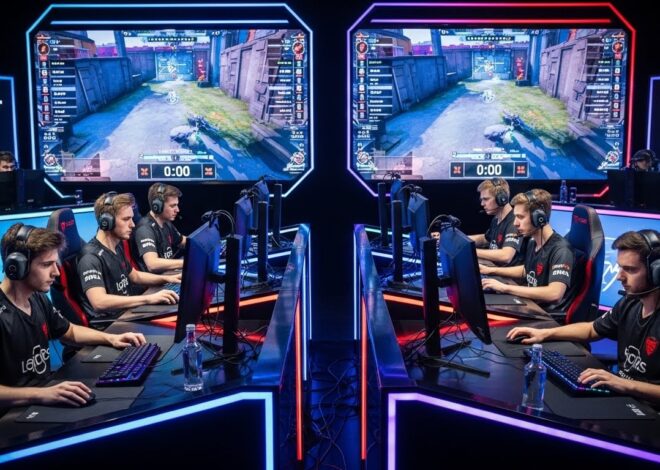
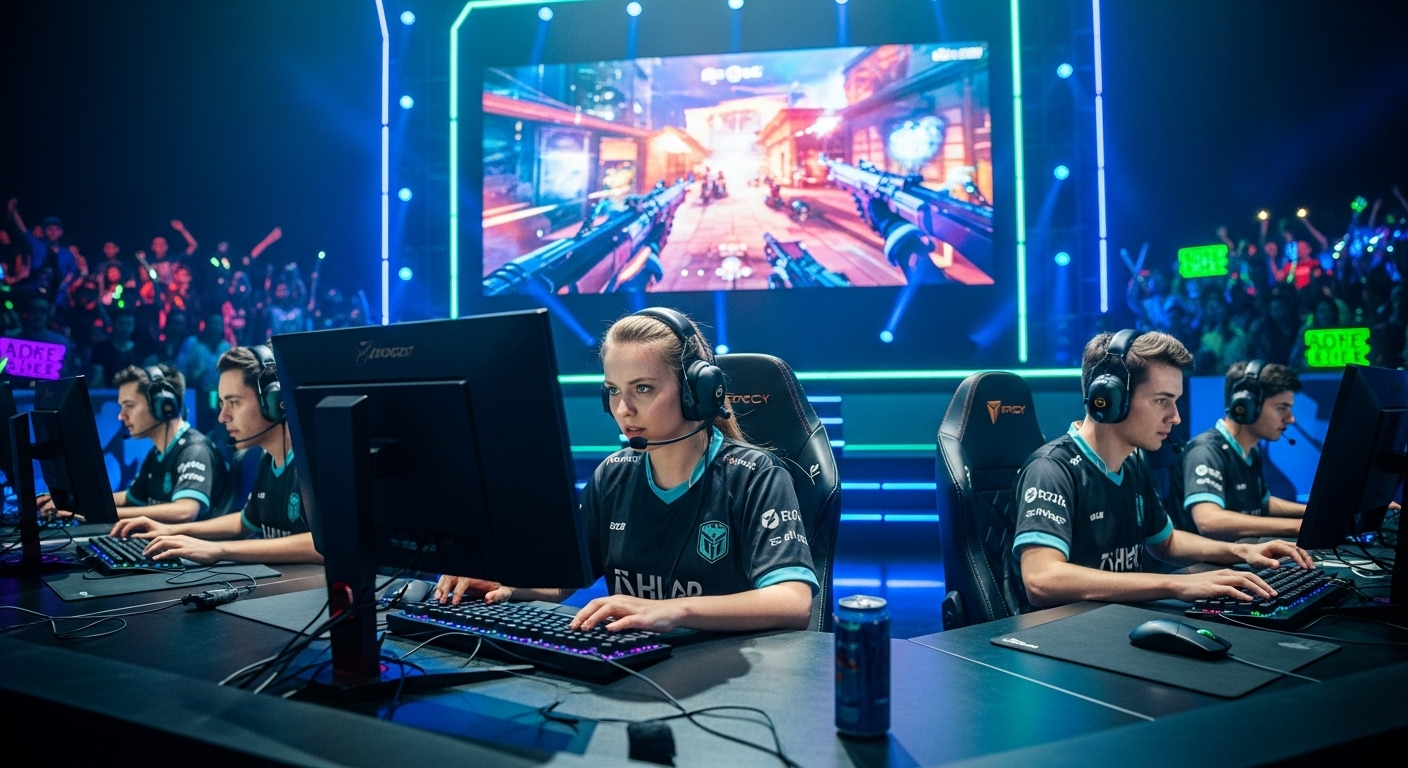
Esports influencers also impact traditional competitive play. They increase the visibility of tournaments, highlight emerging players, and generate hype for events. By streaming competitive matches or creating commentary content, influencers bring audiences closer to professional esports than ever before.
This crossover benefits leagues and organizers by expanding viewership, attracting sponsors, and enhancing fan engagement. Influencers act as bridges between casual fans and professional competition, broadening the reach of esports beyond conventional channels.
Challenges Faced by Esports Influencers
Despite their growing prominence, esports influencers face unique challenges. Content creation demands consistent output, technical skills, and audience engagement, which can be mentally and physically taxing. Maintaining authenticity while managing partnerships and sponsorships is also a delicate balance.
Additionally, the competitive nature of the industry means that staying relevant requires adaptation and innovation. Trends evolve quickly, and influencers must continuously develop new content to retain audience interest. Successful influencers are those who combine creativity, resilience, and adaptability with their gaming expertise.
The Future of Esports Influencers
The future of esports influencers is bright. As gaming continues to expand globally, these personalities will play an increasingly central role in shaping industry trends, player development, and fan culture. Emerging technologies, such as virtual reality and augmented reality, may create new forms of content and interactivity, further enhancing the influence of these creators.
Influencers will likely become even more integrated into the esports ecosystem, collaborating with professional teams, leagues, and brands to create immersive and engaging experiences. Their ability to connect, educate, and entertain ensures that they will remain vital to the industry’s growth and evolution.
Conclusion
The rise of esports influencers represents a transformative shift in the gaming world. These individuals have redefined how fans interact with games, bridging the gap between professional competition and personal entertainment. Through content creation, community building, education, and brand collaboration, influencers have become central figures in esports culture.
As the industry continues to grow, esports influencers will play a crucial role in shaping its future, expanding its reach, and nurturing the next generation of players and fans. Their impact goes beyond gaming; they are cultural icons, educators, and entertainers who define the modern landscape of digital sports.