The Rise of Esports: How Competitive Gaming is Shaping the Future of Entertainment
Introduction
In the past two decades, competitive gaming, or esports, has evolved from a niche hobby to a global phenomenon. Once viewed as something only a small subset of people cared about, esports is now a multi-billion-dollar industry that attracts millions of viewers and creates career opportunities for professional players, coaches, analysts, and content creators. The rise of esports has reshaped the way we perceive gaming, turning it into a legitimate form of entertainment and competition, comparable to traditional sports. This blog post delves into the rapid growth of esports, the key players involved, the challenges the industry faces, and its potential for future growth.
The Early Days of Esports: From Hobby to Profession
Esports began in the late 20th century when competitive gaming first became an organized activity. In the early 1990s, games like Street Fighter, Quake, and StarCraft paved the way for the first competitive gaming tournaments. These events were typically small-scale, often limited to local or regional competitions, but they set the stage for the larger tournaments we see today.
The late 1990s and early 2000s saw the development of online gaming platforms, where players could compete against each other over the internet. This was a game-changer, allowing gamers from different countries to compete in real-time, creating a global community of players. Games like Warcraft, Counter-Strike, and League of Legends became staples of the esports scene, and by the mid-2000s, the first professional esports organizations began to form. Tournaments began offering substantial prize money, and the first esports sponsorship deals were made.
The Professionalization of Esports
As the popularity of esports grew, so did its professionalism. What was once a community-driven hobby became an industry driven by sponsorships, team organizations, and corporate investment. Esports tournaments began offering multimillion-dollar prize pools, and players were no longer just hobbyists—they were full-time professionals. This shift brought about an entirely new ecosystem around competitive gaming.
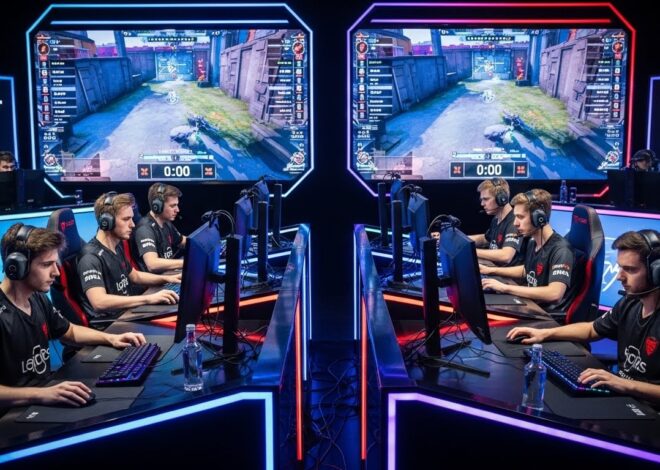
Esports teams, like Team Liquid, Fnatic, and Cloud9, now operate like traditional sports organizations, complete with coaches, analysts, managers, and even dedicated facilities for training and preparation. Players are treated like athletes, with rigorous training schedules, fitness regimens, and mental coaching to ensure peak performance. The top players in games like League of Legends, Dota 2, and Fortnite are making salaries that rival those of traditional athletes, further cementing esports’ place in the global entertainment landscape.
Esports as a Global Entertainment Industry
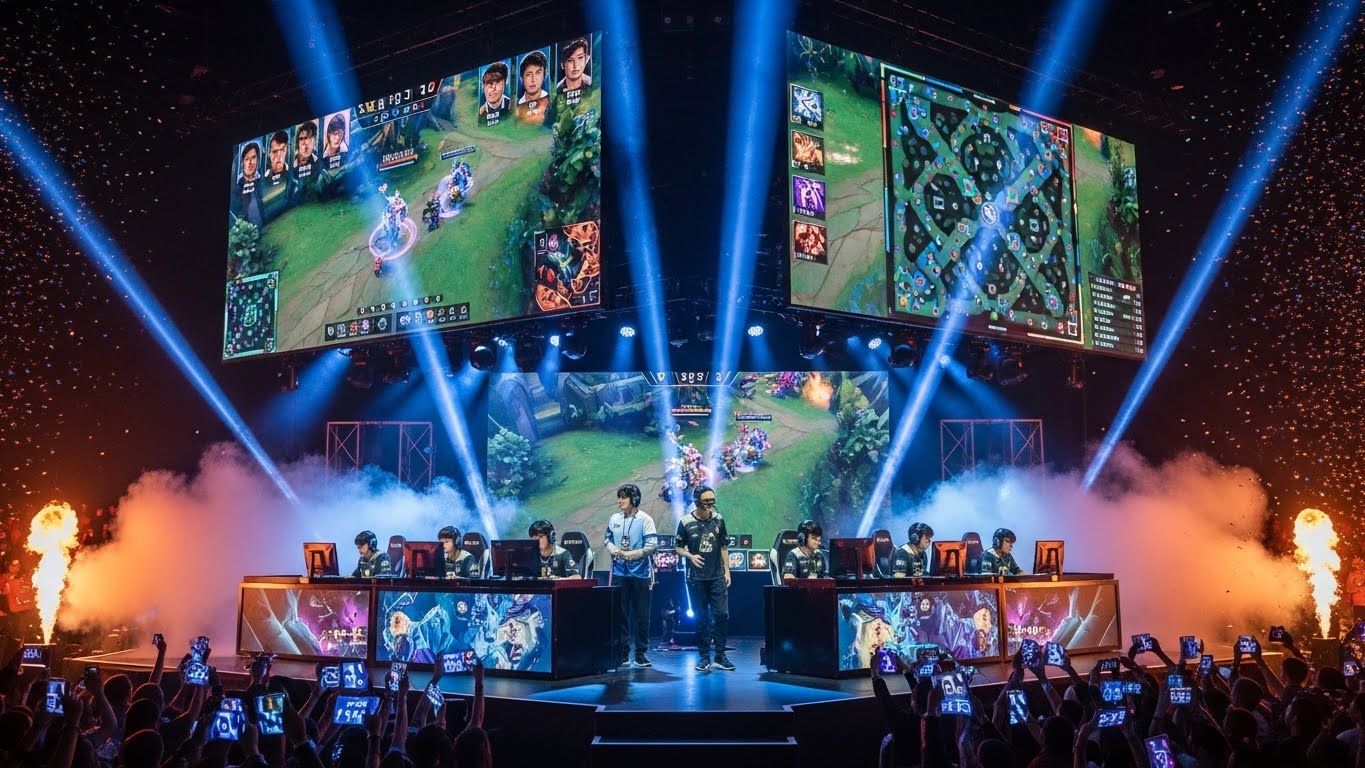
Esports’ explosive growth can be largely attributed to its status as a form of entertainment. Tournaments, such as The International (Dota 2), League of Legends World Championship, and Fortnite World Cup, draw millions of viewers around the world, both online and in person. Esports events are broadcast on streaming platforms like Twitch, YouTube Gaming, and Facebook Gaming, where fans can watch live tournaments, cheer for their favorite players, and interact with the community.
The live-streaming aspect of esports has also become a cornerstone of the industry’s success. Esports athletes, known as streamers, can generate substantial incomes by live-streaming their gameplay on platforms like Twitch. Some of these streamers, such as Ninja, Shroud, and Pokimane, have become celebrities in their own right, with millions of followers and endorsement deals with major brands.
Additionally, major broadcasters like ESPN and TBS have begun airing esports events, further solidifying the legitimacy of competitive gaming. Esports has even entered the mainstream media, with coverage of tournaments, player profiles, and gaming culture appearing on major news outlets.
The Diversity of Esports Titles
One of the unique aspects of esports is the diversity of games involved. Unlike traditional sports, where a single game or activity dominates (e.g., football, basketball), esports encompasses a wide variety of genres. From real-time strategy games (e.g., StarCraft II), to multiplayer online battle arena (MOBA) games (e.g., League of Legends), to first-person shooters (e.g., Counter-Strike: Global Offensive and Overwatch), each genre has its own dedicated fanbase and professional scene.
This diversity allows esports to appeal to a broad audience. Players can specialize in different types of games, from tactical shooters to high-speed racing games, and still find a competitive outlet. This variety also contributes to the growth of the esports industry, as new games and genres continuously emerge, providing fresh opportunities for players and fans alike.
The Life of an Esports Athlete
Being a professional esports player is not as easy as it might seem. The life of an esports athlete involves hours of practice, mental conditioning, and constant self-improvement. In top-tier esports, players often train for 8-10 hours a day, practicing their mechanics, improving their team coordination, and studying opponents’ strategies. Many esports players also undergo regular physical training, including strength and conditioning, to ensure they have the endurance to perform at a high level for extended periods.
Esports players also face a lot of pressure, both from sponsors and from their fans. The high-stakes nature of tournaments, combined with the visibility that comes with fame, can lead to stress, anxiety, and burnout. Mental health has become a key focus in the esports world, and many organizations now employ sports psychologists to help players manage stress and maintain their well-being.
Furthermore, players’ careers are often short-lived. The average career span for a professional esports player is much shorter than that of traditional athletes, often peaking in the player’s early 20s. After retiring from professional play, many former esports athletes transition into coaching, broadcasting, or content creation, leveraging their experience and expertise in the industry.
Esports’ Influence on Youth Culture
Esports has had a profound impact on youth culture. Gaming has long been seen as a form of entertainment for young people, and with the rise of competitive gaming, it has evolved into a legitimate career path. Many young gamers now aspire to become professional players, streamers, or esports coaches, seeing it as a viable career option.
Esports has also influenced education. Many schools and universities have introduced esports programs and scholarships, allowing students to pursue gaming at an academic level. Some universities even have dedicated esports teams that compete in collegiate leagues. This shift represents a major change in the way gaming is perceived by society, with many seeing it as a skill set that can lead to a successful career.
Esports and Sponsorships: A Thriving Economy
Esports is now a major business, and sponsorship plays a significant role in its financial ecosystem. Companies across various industries, including technology, telecommunications, automotive, and consumer goods, are investing heavily in esports sponsorships. Brands like Intel, Coca-Cola, Mercedes-Benz, and Nike sponsor teams, players, and tournaments, recognizing the massive audience that esports attracts.
Sponsorships are not only lucrative for teams and players but also for the game developers themselves. Major game developers, such as Riot Games (League of Legends) and Valve (Dota 2), have invested heavily in esports ecosystems surrounding their games, ensuring continued engagement and revenue through tournaments and in-game content.
The growth of esports as an economic powerhouse is not limited to just sponsorships. The industry also generates revenue through ticket sales for live events, media rights for broadcasting tournaments, and merchandise sales. This vast economic ecosystem ensures that esports will continue to thrive in the coming years.
The Future of Esports: Global Growth and Mainstream Acceptance
Looking ahead, the future of esports is bright. As internet infrastructure improves globally, more regions will have access to high-speed connections, enabling players from different parts of the world to compete in real-time. Esports is also expected to continue its rise as a form of mainstream entertainment, with the possibility of being included in major international events like the Olympics.
Additionally, technological advancements like virtual reality and augmented reality could change the way esports is played and consumed. VR esports, for example, has the potential to offer a more immersive and dynamic competitive experience. This innovation could further bridge the gap between traditional sports and esports, offering fans a unique way to interact with the game and players.
Conclusion
Esports has grown from a niche hobby to a global industry with immense economic and cultural influence. Professional players dedicate countless hours to mastering their craft, while fans around the world follow their favorite teams and players with the same passion as traditional sports enthusiasts. Esports’ rise has also reshaped the gaming landscape, giving players from all walks of life a platform to compete, innovate, and entertain. As the industry continues to evolve, it will undoubtedly shape the future of both gaming and entertainment as a whole, cementing its place in the mainstream.
Esports is more than just a game—it’s a revolution in how we view competition, skill, and entertainment in the digital age. The industry is just getting started, and its potential for growth is limitless.