The Rise of Esports: A Global Gaming Phenomenon
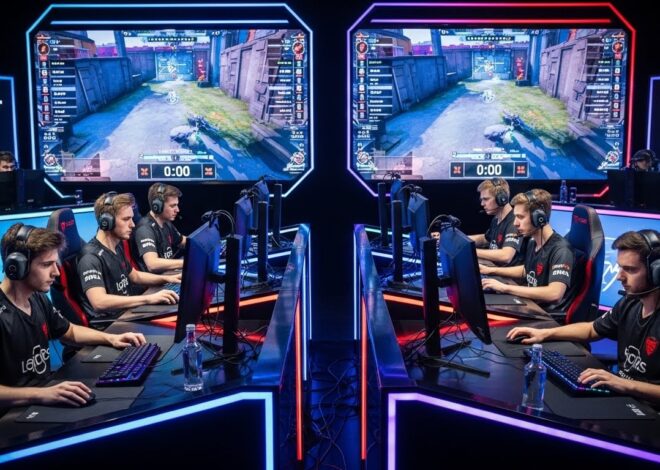
Esports, short for electronic sports, has rapidly transformed from a niche hobby into a global phenomenon that rivals traditional sports in popularity, revenue, and cultural influence. What began as informal competitions between friends playing video games has evolved into a highly structured, professionalized industry with professional players, teams, leagues, and millions of passionate fans worldwide. The growth of esports has been fueled by technological advancements, internet accessibility, and the widespread appeal of competitive gaming. In this blog, we explore the history, growth, challenges, and future of esports, highlighting why it has become one of the most influential entertainment sectors in the modern era.
The Early Days of Competitive Gaming
The roots of esports trace back to the 1970s and 1980s when early video game competitions emerged. One of the earliest known events was the 1972 “Intergalactic Spacewar Olympics” held at Stanford University, where students competed in the game Spacewar!. While primitive compared to today’s standards, these events planted the seeds for competitive gaming.
The 1980s saw the rise of arcade culture, where games like Pac-Man, Donkey Kong, and Street Fighter dominated gaming centers worldwide. Arcades became social hubs for young players, and high score competitions attracted serious attention. Companies began hosting national and even international tournaments, offering prizes that ranged from merchandise to trips, creating the blueprint for future esports competitions.
By the 1990s, personal computers and local area networks (LANs) became more accessible, giving birth to online multiplayer games such as Doom, Quake, and StarCraft. These games allowed players to connect and compete across cities and countries, making competitive gaming more organized and structured. The concept of esports leagues and professional teams started to take shape, although the scale was small compared to today’s global industry.
The Explosion of Esports in the 2000s
The 2000s marked a turning point in esports with the launch of major tournaments, professional leagues, and online streaming platforms. South Korea became the epicenter of esports during this time, particularly with the rise of StarCraft: Brood War. The South Korean government and private corporations recognized esports as a legitimate career path, sponsoring teams and creating esports stadiums. Professional gamers became celebrities, commanding large fan followings and lucrative sponsorship deals.
Simultaneously, the growth of broadband internet made online gaming more accessible worldwide. Multiplayer online games like Counter-Strike, Warcraft III, and Halo fostered communities of competitive players, while LAN tournaments became more frequent and widely publicized. This era also saw the emergence of esports organizations, which formalized team management, coaching, and player training—essentially professionalizing the industry.
By the late 2000s, platforms such as YouTube allowed players to share gameplay content and tutorials, expanding esports culture beyond just competition. Gaming became a form of entertainment for audiences who enjoyed watching skilled players in action, even if they didn’t play the games themselves.
Popular Esports Games
Esports spans a wide variety of game genres, each attracting its own community of players and fans. These games are usually categorized into genres like first-person shooters, real-time strategy, multiplayer online battle arena (MOBA), fighting games, and sports simulations.
Multiplayer Online Battle Arena (MOBA) Games
MOBA games have become some of the most popular esports titles globally. League of Legends and Dota 2 are prime examples, featuring complex gameplay that requires strategy, teamwork, and individual skill. Dota 2’s annual tournament, The International, is particularly famous for its massive prize pools, reaching tens of millions of dollars in recent years.
First-Person Shooter (FPS) Games
FPS games focus on speed, precision, and tactical coordination. Titles like Counter-Strike: Global Offensive, Call of Duty, and Overwatch dominate competitive FPS esports. These games often feature fast-paced matches that are thrilling for spectators, making them staples in major tournaments and online streaming platforms.
Real-Time Strategy (RTS) Games
Real-time strategy games, such as StarCraft II, demand careful resource management, quick decision-making, and strategic planning. While RTS games have seen a decline in mainstream popularity compared to MOBAs and FPS games, they remain influential in shaping esports culture and training players in critical thinking and teamwork.
Fighting Games
Fighting games such as Street Fighter, Tekken, and Super Smash Bros. focus on individual skill and reflexes. They are popular in smaller competitive circuits and are often featured in large events like EVO, which has been a cornerstone of the fighting game community for decades.
Sports Simulations
Sports simulations like FIFA, NBA 2K, and Madden NFL allow players to compete in virtual versions of traditional sports. These games appeal to both sports fans and gamers, bridging the gap between physical sports and esports.
Esports Tournaments and Leagues
Esports tournaments are the backbone of competitive gaming, offering players the opportunity to showcase their skills, gain recognition, and earn significant financial rewards. These events range from small local competitions to massive international tournaments with prize pools reaching millions of dollars.
The evolution of esports tournaments mirrors that of traditional sports. Major leagues such as the Overwatch League, Call of Duty League, and League of Legends Championship Series provide structured seasonal competitions with teams representing cities or regions. International tournaments, such as The International for Dota 2 and the League of Legends World Championship, draw millions of viewers online and offline, creating global fan engagement on an unprecedented scale.
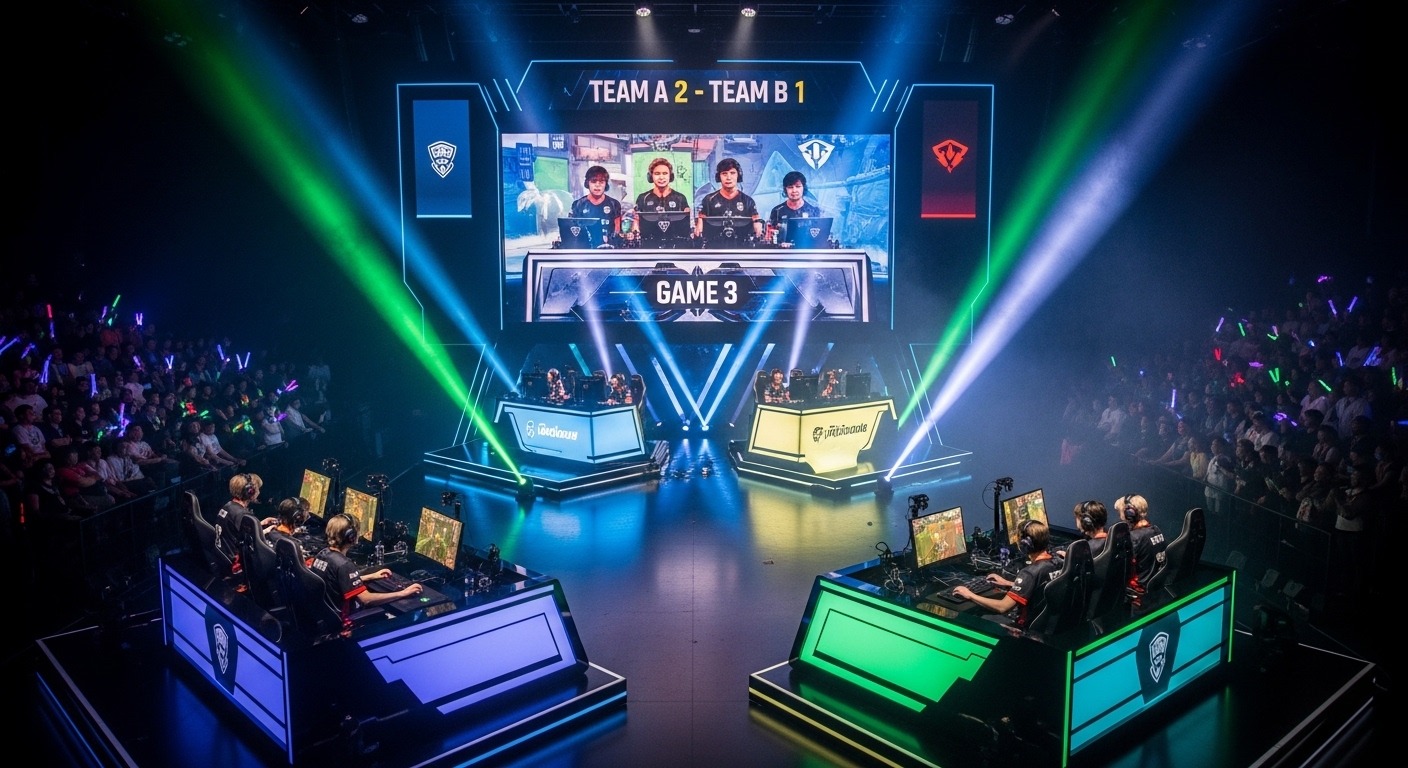
These tournaments are not just about gameplay; they are entertainment spectacles. Professional production teams, live commentary, in-game graphics, and audience interactions make esports events highly engaging for viewers. The integration of online streaming platforms like Twitch, YouTube Gaming, and Facebook Gaming has exponentially expanded the reach of these events, making it possible for fans from all over the world to watch live matches in real-time.
The Rise of Professional Esports Players
Professional esports players are now recognized similarly to athletes in traditional sports. These players often dedicate years to mastering a single game, training for 8–12 hours a day, and developing specialized skills to remain competitive. Like athletes, esports professionals maintain rigorous routines that include physical fitness, mental training, and nutrition to enhance performance.
Esports players are typically organized into teams managed by professional organizations. These organizations handle coaching, sponsorship deals, marketing, and career management. High-profile players can earn substantial incomes through tournament winnings, sponsorships, streaming, and merchandise sales. Some top-tier players have become household names within the gaming community, commanding influence comparable to celebrities in entertainment industries.
Moreover, esports offers opportunities for other careers beyond players. Coaches, analysts, event organizers, commentators, and content creators are integral parts of the ecosystem, contributing to the growth and professionalization of the industry.
Esports Culture and Community
Esports is not only a professional industry but also a cultural phenomenon. Gaming communities exist both online and offline, connecting players, fans, and creators worldwide. Social media platforms, Discord servers, Reddit communities, and streaming channels facilitate discussions, strategy sharing, and fan engagement.
Cosplay, fan art, and esports memes are integral aspects of esports culture, creating a sense of belonging among enthusiasts. Major tournaments also foster social interactions by hosting fan meet-ups, conventions, and live events, where players can connect with professional teams and like-minded fans.
The culture of esports emphasizes skill, teamwork, creativity, and strategic thinking. For many participants, esports is not merely entertainment but a way of life that shapes social interactions, career paths, and personal development.
Challenges in Esports
Despite its rapid growth, esports faces several challenges. One significant concern is the sustainability of careers for professional players. The competitive lifespan of an esports athlete is often short, with many players retiring in their mid-20s due to burnout, declining performance, or physical strain. Organizations are increasingly focused on providing mental health support and career transition programs to address this issue.
Another challenge is inclusivity and diversity. While esports is growing globally, certain demographics are underrepresented, including women and players from developing regions. Efforts are being made to create more inclusive environments through community initiatives, anti-harassment policies, and targeted recruitment.
Esports also faces skepticism from traditional sports institutions and broader society. Despite increasing legitimacy, some still view gaming as a leisure activity rather than a professional pursuit. Overcoming these perceptions requires continuous investment in professional standards, education, and public awareness.
The Economic Impact of Esports
Esports has become a multi-billion-dollar industry with significant economic impact. Revenue streams include sponsorships, advertising, merchandise, ticket sales, media rights, and in-game purchases. Sponsorships from tech companies, gaming peripherals, energy drinks, and apparel brands have been crucial in funding teams and tournaments.
Streaming platforms contribute heavily to esports revenue by enabling monetization through subscriptions, ads, and donations. These platforms also allow individual players and content creators to generate income independently, fostering entrepreneurship within the gaming community.
Additionally, esports stimulates related industries such as game development, event management, and technology. High-end PCs, gaming consoles, peripherals, and software tools are in high demand due to competitive gaming requirements, further contributing to the global economy.
The Future of Esports
The future of esports looks promising, with technological advancements, increasing investment, and mainstream acceptance driving continued growth. Virtual reality (VR) and augmented reality (AR) are expected to introduce new genres of immersive esports experiences. Artificial intelligence could enhance training and strategy analysis, helping players refine their skills.
Esports may also become more integrated with traditional sports. Partnerships between sports clubs and esports teams are already underway, creating cross-industry collaboration and fan engagement. Educational institutions are increasingly offering esports scholarships, programs, and research opportunities, legitimizing esports as an academic and professional field.
As global connectivity improves, esports will continue expanding into emerging markets, reaching audiences in regions previously underserved. With its blend of competition, entertainment, and culture, esports is poised to remain a dominant force in the entertainment industry for decades to come.
Conclusion
Esports has evolved from simple video game competitions into a sophisticated, global industry with professional players, teams, leagues, and dedicated fanbases. Its growth has been fueled by technological advancements, cultural shifts, and the human desire for competition and entertainment. While challenges remain, including career sustainability, inclusivity, and societal perception, the industry continues to thrive and innovate. As esports becomes increasingly mainstream, it not only reshapes how we view competitive entertainment but also influences culture, technology, and global connectivity. The journey of esports is a testament to the transformative power of gaming, showing that what starts as a hobby can become a worldwide phenomenon with profound impact.