The Rise of Esports: A Glimpse into the Future of Competitive Gaming
Esports, short for electronic sports, has transitioned from a niche hobby to a global phenomenon. With millions of fans, lucrative sponsorships, and multi-million dollar prize pools, it has become one of the fastest-growing sectors in the entertainment industry. From casual gaming to professional leagues, esports has reshaped how we perceive competitive play, and its impact is likely to continue growing in the coming years. In this blog post, we will explore the rise of esports, its significance in the entertainment landscape, the structure of esports tournaments, the role of players and teams, and the future potential of this thriving industry.
Understanding the Esports Phenomenon
Esports refers to organized, multiplayer video game competitions, particularly between professional players, individually or as teams. These competitions, which include games like League of Legends, Dota 2, Counter-Strike: Global Offensive, Fortnite, and Overwatch, have grown exponentially in terms of both viewership and financial investment.
What once was considered “just gaming” has evolved into a professional, spectator-oriented form of entertainment. Unlike casual gaming, which is primarily focused on personal enjoyment, esports is all about high-level competition, skill, and strategy. Professional players train for hours, sometimes competing at the highest levels against opponents from around the globe.
The growth of esports can be attributed to a few key factors: the increasing accessibility of high-speed internet, the development of more sophisticated gaming technologies, and the rise of streaming platforms like Twitch and YouTube. These platforms have made it easier for players to broadcast their skills to a global audience and for fans to interact with their favorite players in real-time.
The Structure of Esports Tournaments
Esports tournaments are the heart of the competitive gaming scene. These events vary in size, from small local competitions to massive international tournaments with multi-million dollar prize pools. The structure of these tournaments can vary depending on the game and the organization behind them.
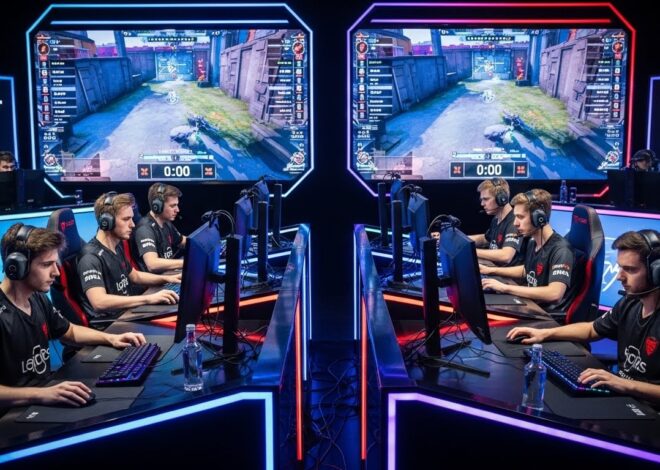
Most esports tournaments are divided into two major categories: online competitions and offline events. Online competitions allow players from all over the world to compete from their own homes, while offline events are held in arenas and broadcasted live for an audience. Some tournaments even attract massive live crowds, similar to traditional sports events.
One of the biggest esports tournaments in the world is The International, an annual Dota 2 tournament organized by Valve Corporation. With prize pools that can exceed $30 million, The International draws millions of viewers each year. Another iconic tournament is the League of Legends World Championship, which regularly attracts tens of millions of viewers and has transformed esports into a global spectacle.
While the larger tournaments garner the most attention, many esports leagues and competitions also exist on a regional or national level. These leagues often serve as stepping stones for players to build their careers, eventually leading to larger international events.
The Role of Players and Teams
At the core of every esports tournament are the players and teams. Professional esports players are akin to athletes in traditional sports, requiring discipline, practice, and mental acuity to succeed. These players typically spend hours each day honing their skills, learning new strategies, and analyzing their performances. Unlike traditional sports, however, the physical demands of esports are less intense. Instead, players focus on quick reflexes, strategic thinking, and teamwork.
Esports teams, much like sports teams, often have coaches, analysts, and support staff to help players improve. Coaches play a crucial role in developing strategies and helping players refine their gameplay. Team analysts work to evaluate opponents and identify weaknesses that can be exploited during matches. Many esports teams are also backed by major organizations or brands, which provide financial support, sponsorships, and training facilities.
The dedication required to be a top-tier esports player is immense. Professional players often face intense pressure to perform, and the competitive nature of the industry means that there is little room for error. In fact, burnout is a real concern for many players, as the mental and physical strain can take a toll on their health.
The rise of esports has also led to the emergence of streamers—players who broadcast their gameplay online to build a following. Platforms like Twitch have made it possible for players to monetize their content, earn sponsorships, and even interact with fans on a personal level. This has added a new dimension to the world of esports, as streamers and content creators are now an integral part of the scene.
The Impact of Esports on Traditional Sports and Entertainment
As esports has grown, its impact has been felt across other areas of entertainment and even traditional sports. One of the most noticeable changes is the shift in how younger generations consume entertainment. Unlike traditional sports, which often require physical presence at stadiums, esports tournaments can be watched online from anywhere in the world. This digital-first approach has made esports particularly appealing to tech-savvy and mobile-first audiences.
In addition to being a standalone entertainment format, esports has also started collaborating with traditional sports organizations. Many major sports leagues, such as the NBA and the NFL, have recognized the potential of esports and have either sponsored or invested in esports teams and events. The NBA has even launched its own esports league, the NBA 2K League, which features professional players competing in NBA 2K tournaments.
Furthermore, esports has become an integral part of pop culture. Esports players, like traditional athletes, are now viewed as celebrities, with their own followings and fan bases. Major brands and companies have recognized the influence of esports figures, leading to sponsorship deals, product placements, and marketing partnerships. In many ways, esports has blurred the lines between gaming, entertainment, and professional sports.
Esports and the Global Economy
The economic impact of esports is substantial and growing year by year. According to recent reports, the global esports industry is expected to generate over $1 billion in revenue annually by the end of 2025. This revenue comes from various sources, including sponsorships, advertising, media rights, ticket sales, and merchandise.
Sponsorship deals are among the largest contributors to the financial success of esports. Major brands such as Coca-Cola, Intel, and Red Bull have invested heavily in esports, seeing it as a way to reach younger, more engaged audiences. These sponsorships help fund tournaments, team operations, and player salaries.
Another major source of revenue is streaming platforms. Companies like Twitch, YouTube, and Facebook have created ecosystems where viewers can watch esports events for free, with revenue generated through advertisements, subscriptions, and donations. Esports streaming has become so popular that major media companies are now entering the space, with networks like ESPN and Turner Sports broadcasting high-profile tournaments.
Esports has also created a burgeoning job market. Beyond players, there are roles for coaches, analysts, event organizers, content creators, and broadcast personnel. The esports industry provides a wide range of career opportunities for people interested in gaming and digital media.
Challenges Facing the Esports Industry
Despite its rapid growth, the esports industry faces several challenges. One of the biggest issues is sustainability. While the industry has seen impressive revenue numbers, concerns have been raised about the long-term viability of the current business models. The esports ecosystem relies heavily on sponsorships, but as the market becomes more competitive, it may become harder for organizations to secure consistent funding.
Another challenge is player health and well-being. Esports players often face long hours of practice, intense competition, and the pressure to perform. This can lead to physical and mental health issues, such as carpal tunnel syndrome, eye strain, and burnout. As the industry matures, finding ways to protect player health while maintaining performance levels will be essential.
Finally, esports is still facing growing pains in terms of regulation and fair play. As the industry becomes more professional, the need for consistent rules and regulations will increase. Issues such as match-fixing, cheating, and player misconduct are already being addressed by governing bodies, but more work remains to ensure the integrity of esports competitions.
The Future of Esports
Looking ahead, the future of esports seems incredibly promising. One of the most exciting developments is the potential for esports to be included in the Olympic Games. Several discussions have taken place in recent years about integrating esports into the Olympics, with some even suggesting that it could be a medal event in future Games. Although there are hurdles to overcome—such as defining what constitutes an “esport” and addressing concerns about violence in some games—the idea is gaining traction.
Esports also has the potential to expand into new markets. In regions like Southeast Asia, Latin America, and the Middle East, esports is already experiencing rapid growth. As infrastructure improves and internet access becomes more widespread, more players and fans will engage with esports, further broadening its global reach.
Finally, the continued rise of virtual reality (VR) and augmented reality (AR) could revolutionize the esports experience. While traditional esports relies on screens and controllers, VR and AR technologies promise to take competitive gaming to the next level, creating immersive, real-time experiences that could change the way fans interact with tournaments and players.
Conclusion
Esports has come a long way from its humble beginnings as a hobby among a small group of gamers. Today, it is a global industry with millions of fans, professional leagues, and significant economic impact. As it continues to evolve, esports is likely to continue shaping the future of entertainment and sports, with new innovations on the horizon. With its increasing popularity and potential for growth, the world of esports is one to watch closely in the coming years.