The Rise and Revolution of Esports: From Basement Hobby to Global Phenomenon
Introduction: A New Era of Competition
Once dismissed as mere entertainment, video games have evolved into a full-fledged industry of competition, fame, and fortune. Esports, short for electronic sports, represents the merging of technology, talent, and spectacle. Over the past two decades, it has grown from small local tournaments to international events watched by millions. Esports is no longer just a niche for gaming enthusiasts—it’s a cultural movement reshaping the way the world views competition itself.
Today, stadiums fill with cheering fans, live streams attract audiences larger than traditional sports broadcasts, and professional gamers earn sponsorships rivaling those of top athletes. This is the story of how digital competition became a billion-dollar global industry.
The Humble Beginnings of Competitive Gaming
The origins of esports stretch back farther than many realize. In the early 1980s, arcades hosted local competitions, where players battled for high scores on machines like Space Invaders and Pac-Man. These events were casual and community-driven, but they planted the seeds of organized play.
By the 1990s, the rise of home consoles and local area networks (LAN) allowed competitive gaming to evolve. Titles such as Street Fighter II, Quake, and StarCraft began to draw serious players who practiced daily to master their craft. These early tournaments often offered modest prizes—sometimes just computer accessories or cash pools under a thousand dollars—but they represented something bigger: the birth of digital rivalry.
The 2000s: The Foundation of Modern Esports
The early 2000s marked a turning point. High-speed internet became widespread, online multiplayer gaming flourished, and professional leagues began to emerge. Organizations such as Major League Gaming (MLG), World Cyber Games (WCG), and Electronic Sports World Cup (ESWC) established global standards for competition.
Titles like Counter-Strike, Warcraft III, Halo 2, and StarCraft: Brood War dominated the scene. South Korea, in particular, became the spiritual home of esports. Television channels dedicated to gaming broadcasts transformed pro players into celebrities. Internet cafés turned into training grounds. Teams were sponsored by major corporations, and esports became a respected career path in Korean society.
While Western audiences were still discovering the phenomenon, Asia was already living in the future. The early infrastructure built in those years paved the way for the explosion that was to come.
The Golden Age of Streaming and Global Accessibility
The 2010s ushered in what many consider the golden age of esports. Streaming platforms revolutionized how audiences consumed gaming content. Twitch, YouTube Gaming, and later Facebook Gaming allowed millions to tune in from anywhere in the world. The barriers between professional and viewer collapsed—anyone could watch, learn, and aspire.
The accessibility of streaming gave rise to esports superstars. Players such as Faker in League of Legends, s1mple in Counter-Strike: Global Offensive, and Ninja in Fortnite became household names. Viewership numbers skyrocketed as tournaments like The International (Dota 2), the League of Legends World Championship, and the Fortnite World Cup attracted tens of millions of fans.
The combination of internet accessibility, corporate sponsorship, and fan engagement created a perfect storm. Esports had officially arrived on the global stage.
The Birth of Esports Ecosystems
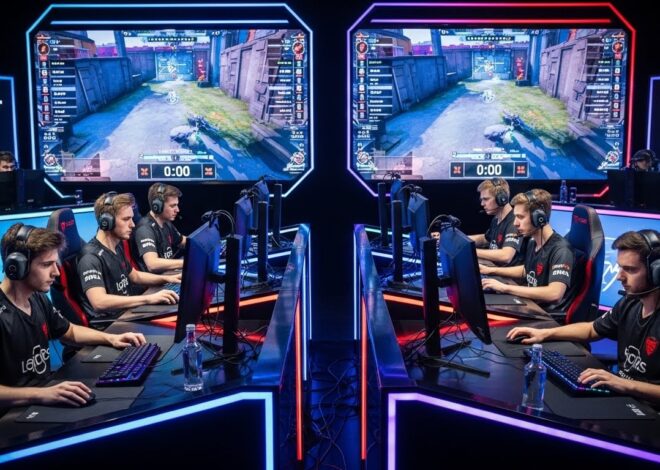
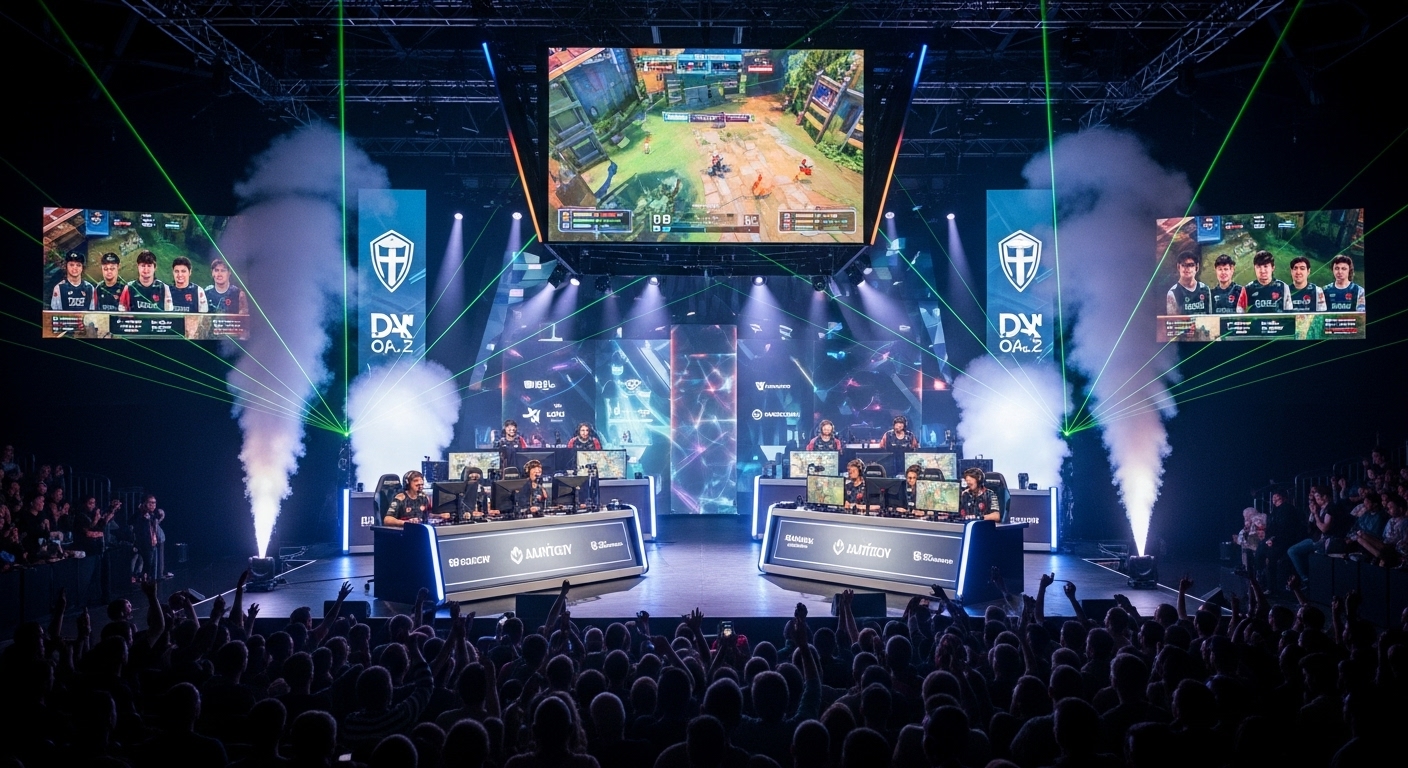
What separates esports from casual gaming is the ecosystem surrounding it. A professional match is not just a game; it’s a production involving teams of coaches, analysts, commentators, hosts, and production crews. Every element—from the stage lighting to the in-game camera angles—is meticulously planned.
Organizations like Riot Games, Valve, and Blizzard began to structure leagues similar to traditional sports. Franchised leagues introduced stability, revenue sharing, and city-based teams. The Overwatch League and Call of Duty League mirrored the structure of the NBA or NFL, complete with home arenas and regular seasons.
This structure helped transform esports from sporadic tournaments into year-round entertainment. Viewers could follow their favorite teams, witness player transfers, and debate strategies much like fans of soccer or basketball. The culture of fandom had fully integrated into the digital realm.
The Cultural Acceptance of Esports
For decades, gaming carried a stigma. It was seen as a distraction, a pastime with no real-world value. Esports shattered that perception. The skills required—precision, teamwork, reaction speed, communication, and mental endurance—earned recognition as legitimate athletic qualities.
Universities began offering esports scholarships. High schools formed competitive gaming clubs. Governments in countries like China and South Korea formally recognized esports players as athletes. The cultural shift was undeniable: gaming was no longer something to grow out of—it was something to grow into.
Even traditional sports franchises noticed. Organizations such as the NBA and FIFA launched their own esports divisions, acknowledging the overlap between their fanbases. Celebrities and athletes, from Drake to David Beckham, invested in esports teams. The lines between virtual and traditional competition blurred completely.
The Power of Community and Fandom
Esports thrives because of its community. Unlike traditional sports, where physical proximity determines fandom, esports fandom transcends geography. A fan in Brazil can support a team from Sweden; a viewer in Egypt can cheer for a player in Canada. The community is connected by passion, not borders.
Online forums, social media, and streaming chats create spaces where fans and players interact directly. This direct connection builds loyalty and personality-driven engagement. Viewers don’t just support teams—they follow individual stories. They watch players grow from amateurs to champions, celebrating every victory and mourning every loss.
Cosplay, memes, fan art, and highlight reels all contribute to the living culture of esports. It’s a digital society built on shared enthusiasm and creativity.
The Business of Esports
Behind the flashing lights and dramatic plays lies an intricate economy. Sponsorships, merchandise, broadcasting rights, ticket sales, and advertising form the financial backbone of the industry. Brands ranging from energy drinks to tech giants invest heavily in esports for one key reason: the audience is young, global, and highly engaged.
Esports revenue surpassed the billion-dollar mark, with continued growth projected each year. Venues like the Staples Center and Madison Square Garden have hosted sold-out esports events. Entire production companies exist solely to manage esports broadcasting, event logistics, and marketing.
Streaming platforms have also capitalized on this momentum. Exclusive streaming rights for major tournaments have become as valuable as those for traditional sports leagues. Esports, in essence, created its own economy, complete with agents, contracts, and sponsorship deals rivaling any other entertainment sector.
The Role of Technology in Shaping Esports
The evolution of esports is inseparable from technological advancement. High-refresh-rate monitors, ultra-fast processors, and precision peripherals have elevated competitive play to new heights. Virtual reality and augmented reality promise to push the boundaries even further, potentially creating entirely new genres of competition.
Network stability and latency reduction have been crucial. The introduction of fiber-optic internet and global server infrastructures ensures fair play across continents. Meanwhile, AI-driven analytics and machine learning help teams study opponents, refine strategies, and enhance training routines.
Streaming technology has also improved drastically. Real-time translation, interactive chat features, and multi-camera options give viewers an immersive experience once limited to professional television studios.
The Human Side: Training, Pressure, and Burnout
Behind every professional gamer is a story of discipline and sacrifice. Training regimens for esports athletes rival those of traditional sports players. Hours of daily practice, mental conditioning, team coordination, and strategy reviews fill their schedules. Reaction time drills, hand-eye coordination exercises, and even physical fitness routines are part of modern esports training.
However, the mental toll is immense. The constant pressure to perform, the intensity of online scrutiny, and the short career span often lead to burnout. Many players retire before reaching 30, citing stress and fatigue. Organizations are becoming more aware of this issue, hiring psychologists and wellness coaches to support their athletes.
The human element—resilience, teamwork, and emotional endurance—adds depth to what might seem like a purely digital activity. Esports proves that even in virtual arenas, the human spirit remains at the core of competition.
Women in Esports: Breaking Barriers
For years, the esports scene was male-dominated. But times are changing. Female gamers, casters, and organizers are carving their space in the industry. Teams composed entirely of women now compete on global stages, and initiatives promoting diversity have gained momentum.
Representation matters. Young women growing up with gaming now have role models to look up to—figures who demonstrate that skill, not gender, determines success. Organizations and developers have begun implementing inclusivity programs, offering mentorship and equal opportunities.
While challenges remain, the growing visibility of women in esports signals a healthier, more inclusive future for the industry.
The Global Reach and Cultural Impact
Esports is a universal language. Whether in Seoul, Los Angeles, Berlin, or Jakarta, fans share the same excitement watching a clutch play or a championship final. The cross-cultural nature of gaming has made esports a bridge between nations.
This global appeal has also influenced pop culture. Esports-themed shows, documentaries, and even music festivals celebrate the phenomenon. The aesthetics of gaming—futuristic visuals, electronic soundtracks, and digital storytelling—have seeped into fashion, art, and media.
In many ways, esports is a reflection of modern society: fast-paced, connected, and diverse. It represents how entertainment evolves when technology and creativity merge seamlessly.
Challenges Facing the Esports Industry
Despite its success, esports faces significant challenges. The lack of unified regulations across countries creates inconsistencies in player contracts, prize distributions, and league governance. Cheating, match-fixing, and doping scandals have occasionally tarnished its reputation.
Another challenge lies in sustainability. While viewership is massive, profitability remains complex. Many organizations rely heavily on sponsorships rather than direct consumer spending. Finding long-term financial models is essential for stability.
Additionally, the volatility of game lifespans poses a risk. Unlike traditional sports, where the rules rarely change, esports titles can rise and fall in popularity within a few years. Developers hold immense power, as they control the future of each game’s competitive scene.
Addressing these issues will determine whether esports can sustain its momentum over the next decades.
Education and Esports Careers Beyond Gaming
Esports is no longer limited to professional players. The industry has created a wide range of career opportunities. Broadcast producers, event managers, software developers, designers, and marketing experts all play vital roles behind the scenes.
Educational institutions have noticed. Esports management and game design programs are becoming common at universities. Students learn about analytics, sponsorships, and media strategy, preparing them for roles in a thriving digital industry.
Esports is also influencing STEM education. Concepts like teamwork, critical thinking, and strategic analysis translate directly into academic growth. For many young people, esports provides not just entertainment—but inspiration and career direction.
The Role of Governments and Regulations
As esports expands, governments worldwide are beginning to take notice. Countries like China, South Korea, and the United States have implemented laws and visa categories specifically for esports athletes. Taxation, labor rights, and gambling regulations now intersect with the digital competition scene.
National federations and international bodies are forming to promote fair play and player welfare. These regulations are crucial to ensure the legitimacy and sustainability of esports as a recognized profession.
Governments see potential not only in cultural influence but also in economic growth. Hosting major esports events boosts tourism, infrastructure, and local business. The industry’s potential impact reaches far beyond the screen.
The Future of Esports: Integration with the Metaverse
As the world edges toward the concept of the metaverse, esports stands at the forefront of this evolution. Virtual spaces where players and audiences coexist in immersive environments could redefine how tournaments are experienced. Imagine walking into a virtual arena with millions of fans, interacting in real time, and watching digital avatars perform with precision.
Blockchain technology and NFTs may also play roles in ownership models, ticketing, and in-game economies. While speculative, these innovations could transform how fans engage with teams, how revenue is distributed, and how identity functions in virtual spaces.
The fusion of gaming, virtual reality, and decentralized technology will shape the next phase of esports. The line between player and spectator may blur entirely.
Conclusion: The Digital Frontier of Human Competition
Esports is more than a trend—it is a revolution in how humanity competes, connects, and creates. It captures the essence of our digital age: global, interactive, and endlessly evolving. From humble LAN parties to international arenas, esports embodies passion, precision, and performance.
It challenges the old notions of what sport and entertainment can be. It brings people together across boundaries, proving that competition doesn’t need a physical field—it only needs human drive.
As technology continues to advance, esports will not fade into history—it will define it. The future of competition is already here, illuminated by screens, powered by communities, and driven by the relentless spirit of play.