The Rise and Revolution of Esports: A New Era of Competitive Gaming
Introduction
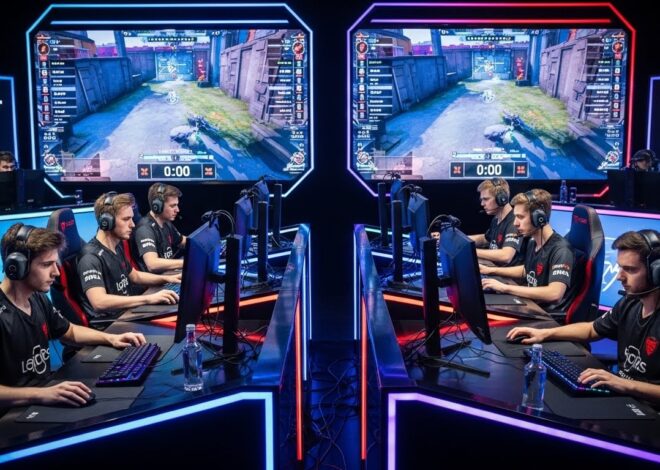
Esports, short for electronic sports, has transformed from a niche hobby into one of the most influential entertainment industries in the world. It represents the perfect intersection of technology, competition, and community, bringing together millions of players and fans across the globe. From small-scale tournaments in local gaming cafes to international championships filling massive arenas, esports has redefined what it means to be an athlete and what constitutes a sport in the modern age. Over the past two decades, esports has become more than just a pastime; it is a profession, a cultural movement, and a billion-dollar industry that continues to shape the digital generation.
The Origins of Esports
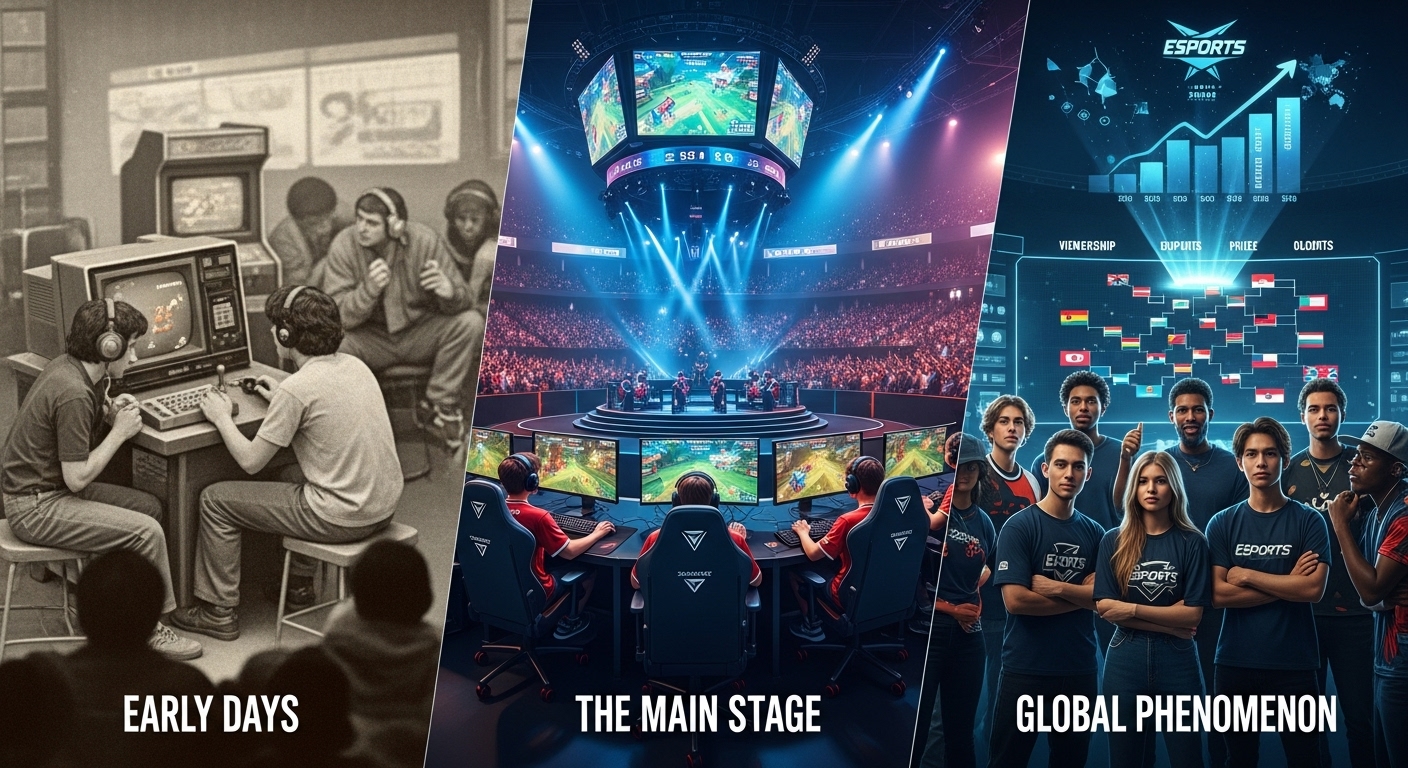
The roots of esports can be traced back to the early days of video gaming in the 1970s and 1980s. The first recorded competitive gaming event took place in 1972 at Stanford University, where students competed in a game called Spacewar. While that event was small and informal, it marked the beginning of a phenomenon that would eventually sweep the world.
As technology evolved, arcade games in the 1980s like Pac-Man and Donkey Kong became the center of local competitions. Players would compete for high scores and recognition, often having their initials displayed on leaderboard screens. The introduction of personal computers and home consoles in the 1990s, such as the Super Nintendo and Sega Genesis, allowed competitive gaming to expand beyond arcades.
The real shift, however, began with the rise of multiplayer PC games and the internet. Titles like Quake, StarCraft, and Counter-Strike introduced online matchmaking and global leaderboards, enabling players to compete from different parts of the world. This accessibility fueled the early development of organized tournaments and laid the foundation for the modern esports ecosystem.
The Growth of Competitive Gaming
The late 1990s and early 2000s witnessed the professionalization of esports. Companies began organizing structured tournaments with cash prizes and sponsorship deals. The Cyberathlete Professional League (CPL) and World Cyber Games (WCG) became pioneers in legitimizing competitive gaming. South Korea, in particular, became a global hub for esports, with the game StarCraft: Brood War achieving massive popularity. Korean players became national celebrities, and televised esports matches became a mainstream phenomenon.
As broadband internet spread globally, online gaming communities flourished. Streaming platforms such as Twitch and YouTube Gaming later provided an essential boost by allowing fans to watch live matches, follow their favorite players, and participate in the growing esports culture. This marked a new era where professional gamers could make a living through sponsorships, ad revenue, and prize winnings.
The Modern Esports Industry
Today, esports is a massive, multi-billion-dollar industry with a global audience. Major titles such as League of Legends, Dota 2, Counter-Strike: Global Offensive, Fortnite, and Valorant have become cornerstones of competitive gaming. These games feature structured leagues, international tournaments, and teams with professional coaches, analysts, and managers.
Events like The International for Dota 2 and the League of Legends World Championship attract millions of viewers worldwide, rivaling traditional sports championships in terms of audience size. Stadiums filled with roaring fans, professional commentators, and high-stakes matches have turned esports into a global spectacle.
The business side of esports is equally impressive. Major corporations sponsor teams and tournaments, while media rights, advertising, and merchandise sales contribute to revenue streams. Brands that once focused exclusively on traditional sports, such as car manufacturers and clothing lines, now invest heavily in esports partnerships.
Esports Athletes and Professionalism
Esports athletes, often referred to as “pro gamers,” dedicate countless hours to training, strategizing, and perfecting their craft. They compete at the highest levels of mental precision and reflexes. Contrary to the outdated stereotype of gamers being isolated individuals, professional players operate in team environments, often living in shared gaming houses where they train together under strict routines.
Like traditional athletes, esports players maintain rigorous schedules, with daily practice sessions lasting several hours. They work with coaches to refine strategies, analyze opponents, and manage physical and mental health. Reaction time, hand-eye coordination, communication, and decision-making under pressure are vital skills that determine success in this field.
Some of the world’s most recognized esports athletes have become cultural icons. Players like Faker in League of Legends, s1mple in Counter-Strike, and Ninja in Fortnite have transcended gaming to become global influencers. Their impact extends beyond competition, as they inspire younger generations to pursue gaming as a legitimate career path.
The Role of Technology in Esports
Technology has always been at the heart of esports evolution. From improved graphics and faster processors to virtual reality and artificial intelligence, technological advancements continue to push the boundaries of competitive gaming. High-performance gaming PCs, low-latency internet connections, and streaming platforms have made esports accessible to both players and fans.
The development of gaming peripherals such as mechanical keyboards, precision mice, and advanced monitors has given professionals the tools to perform at the highest level. Moreover, the rise of data analytics and machine learning has allowed teams to analyze gameplay more efficiently, identify weaknesses, and optimize performance.
Cloud gaming and virtual reality represent the next frontiers of esports innovation. As VR and AR technology mature, entirely new forms of competitive experiences will emerge, blurring the line between digital and physical sports.
The Global Impact of Esports
One of the most remarkable aspects of esports is its ability to transcend cultural and geographical boundaries. Players and fans from different countries connect through shared passion and digital platforms. Esports tournaments are watched in dozens of languages, and international competitions bring together diverse communities that celebrate skill and teamwork.
In countries like South Korea, China, and the United States, esports has become a mainstream part of popular culture. Universities now offer esports scholarships, and governments recognize esports athletes as legitimate professionals. In many developing regions, esports has also provided economic opportunities for youth who previously had limited access to traditional sports or entertainment industries.
Esports has also played a role in fostering inclusivity. While there are ongoing challenges related to gender representation and diversity, the digital nature of gaming provides a more level playing field for individuals regardless of physical ability or background. Initiatives promoting inclusivity are slowly changing the landscape, encouraging more participation from underrepresented groups.
Esports and Education
The connection between esports and education is growing stronger. Many schools and universities have begun to integrate esports programs into their curriculum, recognizing the potential for teamwork, communication, and critical thinking skills that competitive gaming develops.
Esports scholarships are now offered by numerous institutions, enabling talented players to pursue academic and gaming careers simultaneously. Beyond playing, students are learning about event management, marketing, game design, and broadcasting through esports programs. This educational approach not only legitimizes esports further but also prepares students for diverse careers within the broader gaming industry.
The Business Ecosystem of Esports
The economic structure of esports is complex and dynamic. Revenue comes from multiple sources, including sponsorships, advertising, media rights, ticket sales, and merchandise. Major organizations manage teams across various games, much like franchises in traditional sports.
Broadcasting rights have become particularly valuable as streaming platforms compete for exclusive coverage of major tournaments. This competition increases visibility and provides players with greater earning potential. Esports organizations also benefit from brand collaborations, as companies seek to engage the highly sought-after demographic of young, tech-savvy fans.
Additionally, esports betting and fantasy leagues have emerged as parallel industries, contributing to audience engagement and market growth. However, these areas are also subject to regulatory challenges and ethical debates, reflecting the ongoing need for responsible governance in the esports world.
The Cultural Influence of Esports
Esports has significantly influenced global culture, fashion, and entertainment. Gaming has inspired music collaborations, digital art, and film adaptations. Celebrities and traditional sports athletes have invested in esports teams, blurring the lines between gaming and mainstream entertainment.
Social media platforms have amplified this cultural crossover, allowing fans to engage directly with players and teams. The personality-driven nature of streaming and content creation means that players are no longer just competitors; they are entertainers and influencers with loyal fanbases.
Esports has also changed how people socialize and interact online. It fosters global communities where fans from different backgrounds unite to celebrate shared passions. This digital interconnectedness represents the new era of collective entertainment, where virtual experiences are as meaningful as physical ones.
Challenges in the Esports Industry
Despite its remarkable success, esports faces several challenges. One of the primary concerns is player burnout. The intense training schedules and pressure to perform can lead to mental fatigue and health issues. Many professional players retire young due to stress or physical strain, particularly on their hands and wrists.
Another issue is regulation and standardization. Unlike traditional sports with governing bodies, esports operates under diverse organizations with varying rules and structures. This can lead to inconsistencies in tournament formats, player contracts, and dispute resolution.
Toxicity in online gaming communities also remains a concern. Developers and organizers are continually working to create safer, more inclusive environments for players and fans. Moreover, the rise of cheating and hacking in competitive gaming threatens the integrity of tournaments, requiring constant innovation in anti-cheat technology.
The Future of Esports
The future of esports appears brighter than ever. As technology continues to evolve, new opportunities will arise for players, teams, and fans alike. Virtual and augmented reality could redefine competitive experiences, while blockchain technology might revolutionize ownership, digital assets, and fan engagement.
Esports is also expected to gain more recognition as an official sport, with discussions about its inclusion in international events such as the Olympics gaining traction. The growing interest from mainstream media and corporations will continue to elevate esports to new heights, creating sustainable ecosystems for players and organizations.
Additionally, mobile gaming is emerging as a powerful driver of esports growth. With smartphones becoming more powerful, mobile titles like PUBG Mobile, Free Fire, and Mobile Legends have expanded the esports audience to billions of users globally. This accessibility ensures that competitive gaming remains inclusive and adaptable across regions and economic backgrounds.
Conclusion
Esports is more than a digital competition; it is a global movement that has redefined the boundaries of sports, entertainment, and technology. What began as small gatherings of passionate gamers has evolved into a professional, international phenomenon that influences culture, economy, and education.
The industry’s success reflects the power of community, innovation, and the human desire for competition. As technology continues to advance, esports will remain at the forefront of digital culture, inspiring new generations to dream, compete, and connect through the universal language of gaming.
The story of esports is still being written, and its potential knows no limits. From the early arcade battles to the grand arenas of today, it stands as a testament to how passion and technology can come together to create something truly extraordinary.