The Rise and Reign of Esports: From Niche Hobby to Global Phenomenon
Introduction
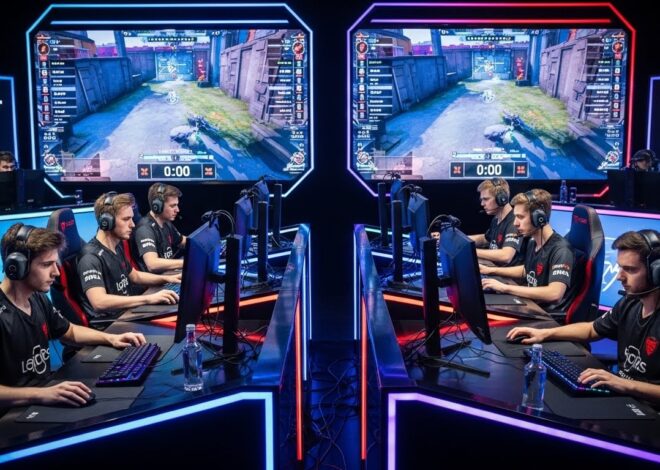
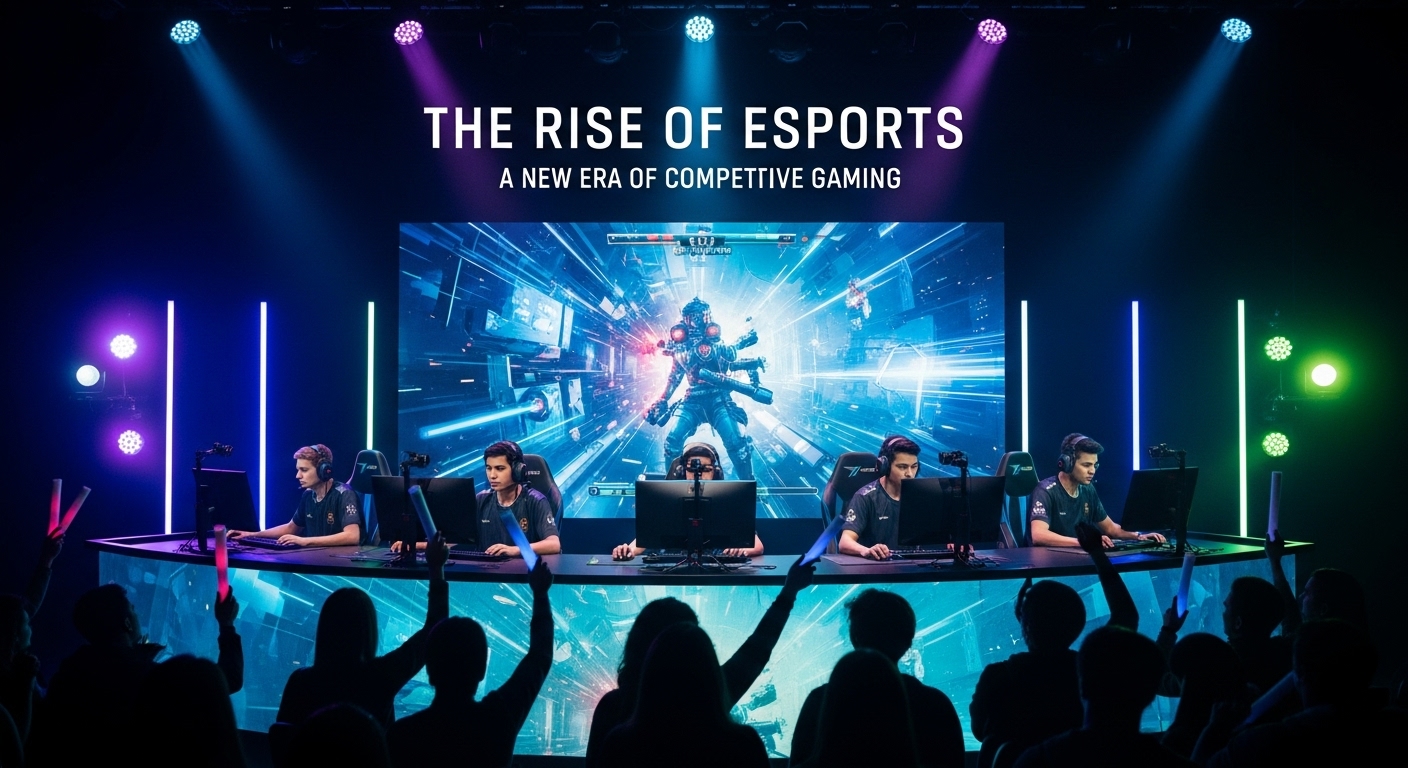
In the last few decades, the entertainment landscape has undergone an incredible transformation. What was once confined to living rooms and dimly lit arcades has evolved into a worldwide spectacle watched by millions — Esports. The term, short for “electronic sports,” refers to competitive video gaming where professional players or teams compete against one another, often in organized tournaments. Esports has grown far beyond the expectations of its early skeptics, becoming one of the fastest-growing sectors in the entertainment and technology industries.
Today, Esports boasts multi-million-dollar tournaments, celebrity gamers, massive streaming audiences, and a fan culture rivaling that of traditional sports. Its meteoric rise has not only redefined what it means to be an athlete but has also reshaped business, education, and media in the digital age.
This blog explores the fascinating evolution of Esports — its history, growth, influence, and future — to understand how it became a cultural and economic powerhouse in the 21st century.
The Origins of Competitive Gaming
The roots of Esports can be traced back to the early days of video gaming in the 1970s and 1980s. The first known video game competition took place in 1972 at Stanford University, where players competed in a game called Spacewar! The prize? A year’s subscription to Rolling Stone magazine. Though modest by today’s standards, this small event marked the beginning of organized competitive gaming.
In the 1980s, arcade culture thrived. Games like Pac-Man, Donkey Kong, and Space Invaders created local heroes in malls and gaming centers. High scores were displayed proudly, and players began challenging one another for bragging rights. The competitive spirit that fuels modern Esports was alive even then. In 1980, Atari hosted the Space Invaders Championship, attracting over ten thousand participants — a monumental moment that demonstrated the potential of gaming as a spectator event.
By the 1990s, as home consoles and personal computers became widespread, the nature of gaming competitions began to evolve. Multiplayer games like Doom and Quake laid the groundwork for online competition. LAN (Local Area Network) parties emerged, where gamers connected computers to play against each other in real time. These gatherings fostered the first communities that viewed gaming not just as entertainment, but as sport.
The Birth of Modern Esports
The late 1990s and early 2000s marked the dawn of what can be considered modern Esports. Internet connectivity made it possible for players from different parts of the world to compete without being in the same room. South Korea, in particular, played a monumental role in the early development of Esports. Following the Asian financial crisis in the late 1990s, South Korea invested heavily in broadband infrastructure. This, coupled with a booming gaming culture, gave rise to professional leagues and televised competitions.
Games like StarCraft became national obsessions. Professional players were treated like celebrities, complete with sponsorships and fan clubs. Major broadcasters began airing matches live, complete with commentators and analysts. The professionalization of gaming was no longer a fantasy — it was reality.
At the same time, in the West, competitive scenes were forming around games like Counter-Strike, Warcraft III, and Halo. The Cyberathlete Professional League (CPL) and Major League Gaming (MLG) were established to formalize tournaments and offer substantial prize pools. These organizations helped shape the structure of Esports we recognize today: leagues, teams, sponsorships, and fans.
The Streaming Revolution
While early Esports relied heavily on physical tournaments and traditional media coverage, the advent of live streaming revolutionized the industry. Platforms such as Twitch and YouTube Gaming enabled players to broadcast matches to global audiences with minimal infrastructure. This democratization of broadcasting meant that anyone could watch, anywhere, anytime.
Streaming didn’t just change how games were watched — it changed how they were played and monetized. Streamers became influencers, building personal brands and communities around their gaming prowess and personalities. Esports events could now reach millions of viewers live, often surpassing traditional sports broadcasts in viewership.
For example, world championship events for games like League of Legends and Dota 2 regularly draw millions of concurrent viewers. The League of Legends World Championship has become one of the most-watched annual sporting events, with production values on par with major international competitions. The ability to engage fans globally without relying on cable networks made Esports a cultural juggernaut of the digital era.
The Business of Esports
As audiences expanded, so did the money. The Esports industry has become a multi-billion-dollar ecosystem encompassing tournament organizers, teams, sponsors, streaming platforms, and game developers. Prize pools for major events now reach tens of millions of dollars. The International, a Dota 2 tournament, famously offered over $40 million in prize money — much of it crowdfunded by players and fans.
Sponsorship and advertising are the lifeblood of Esports economics. Major brands like Coca-Cola, Intel, and Nike have invested heavily, seeing Esports as a way to reach young, tech-savvy audiences. Game publishers also benefit immensely, as competitive gaming extends the lifespan and popularity of their titles.
Esports organizations have begun to resemble traditional sports franchises, complete with management teams, training facilities, and coaching staff. Players sign contracts, receive salaries, and engage in rigorous training regimens. The line between virtual and physical sports is blurring more each year.
Broadcasting rights have also emerged as a significant revenue stream. Just as television networks pay huge sums to air football or basketball games, streaming platforms now compete for exclusive Esports broadcasting rights. The result is a vibrant and sustainable business model that continues to attract investors from around the globe.
The Players: Modern Digital Athletes
The perception of what it means to be an athlete has evolved dramatically. Esports professionals train for hours daily, honing reflexes, coordination, and strategic thinking. Like traditional athletes, they must maintain physical and mental health to perform at their best. Some teams employ nutritionists, psychologists, and personal trainers to ensure players stay in peak condition.
The life of a professional gamer is intense and short-lived. Reaction times tend to decline with age, and competition is fierce. Most pros reach their peak in their late teens or early twenties, with many retiring before thirty. Yet, the skills they develop — teamwork, discipline, quick decision-making — often translate into careers in coaching, content creation, or game design.
The mental challenges of professional gaming are equally formidable. The constant pressure to perform, coupled with the isolation of online competition, can lead to burnout. The Esports community has become increasingly aware of these issues, with greater emphasis now placed on mental health support and balanced lifestyles.
Esports and Education
An interesting and positive development in recent years has been the intersection of Esports and education. Schools and universities worldwide have started offering scholarships for talented gamers, recognizing their discipline and strategic skills as legitimate athletic abilities. Collegiate Esports leagues are emerging, mirroring traditional college sports systems.
Beyond competition, Esports also serves as a gateway to careers in technology, broadcasting, marketing, and design. Programs focusing on game development, digital media, and event management are incorporating Esports into their curricula, preparing students for opportunities in this rapidly growing industry.
Moreover, Esports has proven to foster valuable soft skills. Team coordination, communication, leadership, and adaptability are integral to competitive gaming — and these qualities are increasingly prized in the modern workforce.
The Global Esports Community
One of Esports’ most remarkable aspects is its global reach. It transcends language, culture, and geography, uniting people through shared passion. Fans from Asia, North America, Europe, and beyond come together in online forums, live chats, and packed arenas to celebrate their favorite players and teams.
The diversity of games also contributes to Esports’ inclusivity. Titles like League of Legends, Fortnite, Counter-Strike, Valorant, and Overwatch attract distinct audiences, each with its own culture and aesthetic. Mobile Esports, particularly popular in Southeast Asia and Latin America, has opened new doors for accessibility. With smartphones being more common than gaming PCs, mobile titles like PUBG Mobile and Mobile Legends: Bang Bang have introduced millions of new players to competitive gaming.
Esports events themselves have become cultural festivals. Major tournaments feature music performances, cosplay, and fan activities. They’re not just competitions — they’re celebrations of creativity, technology, and community.
Esports vs. Traditional Sports: A New Rivalry or a New Alliance?
The debate over whether Esports should be considered a “real” sport has raged for years. Traditional sports purists often argue that physical exertion is essential to the definition of sport, while Esports advocates counter that mental agility, reflexes, and strategy are equally valid forms of athleticism.
Regardless of opinion, the two worlds are increasingly intersecting. Professional sports organizations have started investing in Esports teams. Soccer clubs like Paris Saint-Germain and Manchester City have Esports divisions, while NBA franchises have formed their own virtual basketball leagues. This cross-pollination reflects a broader recognition that the future of sports entertainment lies in blending physical and digital experiences.
In some cases, Esports has even filled the void left by traditional sports. During global lockdowns, when stadiums went dark, Esports thrived. Virtual races, simulated matches, and online tournaments provided fans with entertainment and connection in uncertain times. That moment solidified Esports’ legitimacy as a permanent part of the sporting ecosystem.
The Cultural Impact of Esports
Esports is not just a form of entertainment — it’s a cultural movement. It has reshaped how people perceive gaming, creativity, and competition. Gamers are no longer seen as isolated individuals in dark rooms; they’re global celebrities, influencers, and innovators.
Streaming personalities and professional players have millions of followers who engage not just with their gameplay, but with their lives and stories. Esports has also challenged gender and cultural barriers, though there is still progress to be made toward greater inclusivity. Female gamers, LGBTQ+ players, and underrepresented groups are increasingly visible, helping to diversify and enrich the community.
Fashion and music have also embraced Esports culture. Collaborations between game publishers and clothing brands, as well as virtual concerts held within games, illustrate how deeply integrated gaming has become in modern pop culture.
Challenges Facing Esports
Despite its rapid success, Esports faces several challenges that will determine its future trajectory. One major concern is sustainability. The rapid expansion of tournaments and leagues has led to financial instability for some organizations, especially those reliant on external sponsorships. Ensuring profitability while maintaining fair player compensation remains a balancing act.
Another challenge is maintaining competitive integrity. Issues such as cheating, match-fixing, and performance-enhancing substances have surfaced in various tournaments. Establishing robust regulatory bodies and fair play standards is essential for Esports to sustain its credibility.
Player welfare is another critical area. The pressure to stream, compete, and remain relevant can be overwhelming. The industry must continue to evolve systems for mental health support, rest periods, and long-term career planning for players.
Lastly, there’s the question of game longevity. Unlike traditional sports, which have endured for centuries, Esports titles can fade quickly as new games rise in popularity. The industry’s ability to adapt to changing tastes and technologies will be key to its continued success.
The Future of Esports
Looking ahead, the future of Esports is bright, though not without challenges. Technological advancements such as virtual reality, augmented reality, and artificial intelligence will likely redefine how games are played and experienced. Virtual arenas could allow fans to “attend” tournaments in immersive digital spaces, blurring the line between spectator and participant.
Esports is also likely to gain greater recognition from international sporting bodies. Discussions about including Esports in events like the Olympics are ongoing. While traditionalists may resist, the growing popularity and organizational sophistication of Esports make it difficult to ignore.
Furthermore, as global internet access expands, Esports will continue to reach new regions and demographics. Africa, South America, and South Asia are emerging as vibrant Esports markets with untapped potential. The next generation of players and fans will be more connected, creative, and diverse than ever before.
Conclusion
From humble beginnings in university basements and arcade halls to massive arenas filled with cheering fans, Esports has undergone a transformation few could have predicted. It has evolved into a global phenomenon that fuses competition, technology, and entertainment in ways no other medium can match.
Esports is more than just playing games; it is a reflection of modern culture — digital, interconnected, and boundlessly creative. It unites people across continents, languages, and generations. It challenges perceptions of what it means to be an athlete, an entertainer, or even a fan.
As technology continues to advance and society embraces digital lifestyles, Esports will not just coexist with traditional sports — it will stand proudly beside them. Its story is one of passion, perseverance, and progress, and it’s far from over. The next chapter of Esports promises to be even more extraordinary than the last, as millions of players and fans continue to push the boundaries of what is possible in the virtual arena.