The Phenomenal Growth of Esports: A New Age of Competitive Entertainment
Esports, short for electronic sports, has rapidly evolved from a niche hobby into a global powerhouse in the entertainment industry. What was once a small community of passionate gamers has now transformed into a multi-billion-dollar industry with massive audiences, professional teams, and international tournaments. From casual competitions in basements to sold-out arenas, esports has captured the attention of millions of viewers around the world. In this post, we will take a deep dive into the explosive rise of esports, its cultural significance, and the future prospects of this ever-growing sector.
The Humble Beginnings of Esports
Esports didn’t start with the glamour and fame that we see today. The origins of competitive gaming can be traced back to the 1970s and 1980s when arcade games like Space Invaders and Pong became popular. In those early days, players would compete for high scores in local arcades, but there was no structure or large-scale competition involved. It was the late 1990s and early 2000s that marked the beginning of competitive gaming as we know it today.
The term “esports” came into use as online multiplayer games began to gain prominence. The first major esports tournament, the Red Annihilation Tournament in 1997, featured the game Quake, attracting the attention of competitive gamers worldwide. As internet connections improved, so did the ability for gamers to compete against each other remotely. Games like StarCraft and Warcraft III brought esports into the mainstream, especially in South Korea, where they helped establish a booming professional scene.
The Rise of Esports Streaming Platforms
One of the major catalysts for esports’ explosion in popularity has been the rise of streaming platforms, particularly Twitch. Launched in 2011, Twitch quickly became the hub for live streaming of esports competitions, giving fans unprecedented access to watch their favorite players and teams in real time. What began as a platform for gamers to share their gameplay turned into a global community where fans could engage with content creators, participate in live chat, and follow tournaments like never before.
With Twitch leading the charge, other platforms such as YouTube Gaming, Facebook Gaming, and even TikTok began to embrace esports as a form of entertainment. The accessibility of these platforms has made it easier for people to get involved, whether as a player, spectator, or content creator. In fact, millions of viewers now tune into esports events every year, with some tournaments attracting larger audiences than traditional sports leagues.
The success of live streaming also led to the rise of esports influencers, who built their personal brands by streaming daily gameplay, commentary, and engaging with their fans. Influencers like Ninja, Shroud, and Pokimane have millions of followers and are able to monetize their content through sponsorships, donations, and product placements.
Esports: A Professional Career Path
While the amateur gaming scene was thriving in the early years, it was the establishment of professional leagues and organizations that elevated esports to the level of a legitimate career. The introduction of organized competitions, player contracts, sponsorships, and high-stakes prize pools transformed gaming from a hobby into a viable career for talented players.
One of the most significant milestones in the professionalization of esports came in 2013 with the launch of the League of Legends Championship Series (LCS). League of Legends, a multiplayer online battle arena (MOBA) game, had already gained immense popularity, but the creation of a professional league helped it reach new heights. The LCS provided players with stable salaries, coaching staff, and opportunities to compete in high-profile tournaments. This set a precedent for other games, and soon other titles like Dota 2, Overwatch, and Counter-Strike: Global Offensive followed suit, creating their own professional leagues and tournaments.
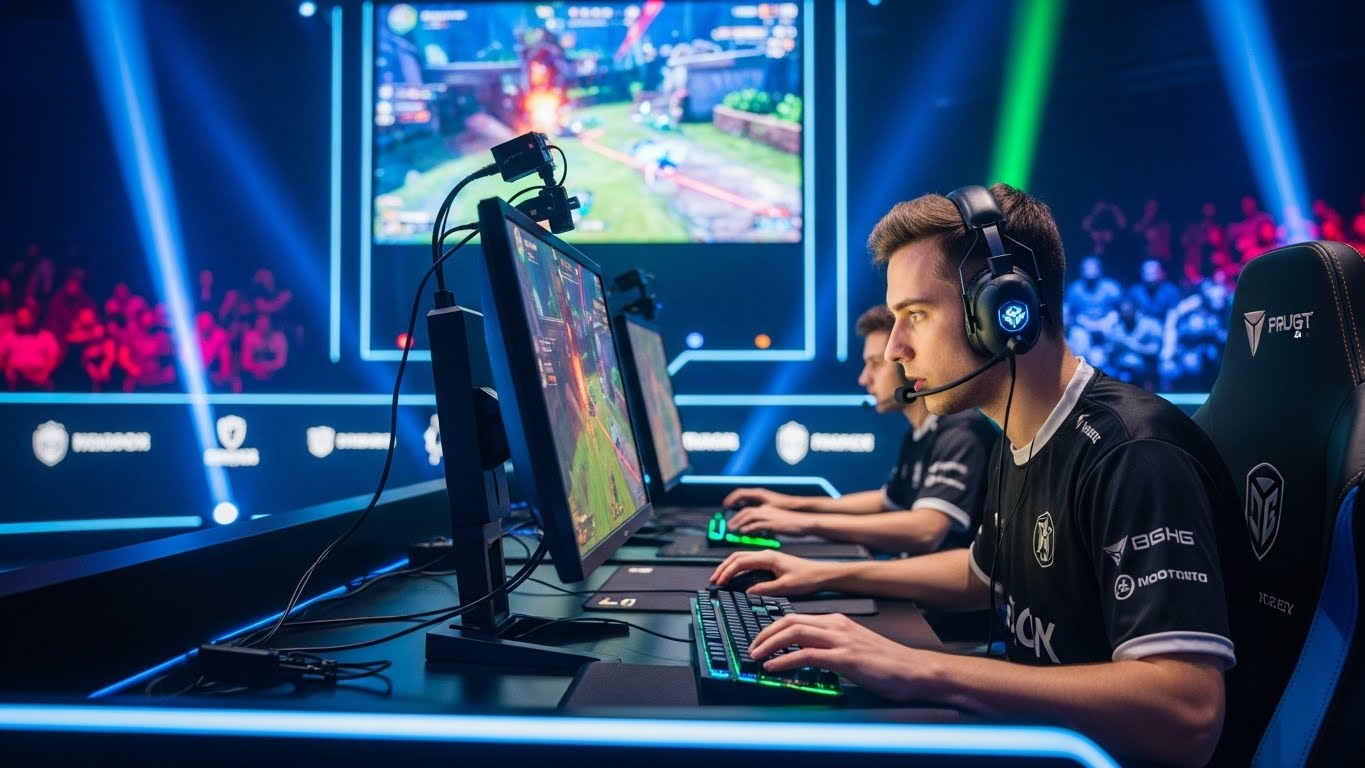
For the first time in history, skilled gamers were able to make a living from their talent. Players in games like League of Legends, CS:GO, and Dota 2 could earn not only through tournament winnings but also through sponsorship deals, merchandise sales, and streaming. Teams began to form, and organizations like Team Liquid, Cloud9, and Fnatic became household names in the esports industry. The players, who were once just anonymous names on a leaderboard, now had fame, fortune, and dedicated fanbases.
Esports as Mainstream Entertainment
Esports has long since shed its status as a niche activity and has become a legitimate form of mainstream entertainment. In 2019, the League of Legends World Championship drew over 100 million viewers, surpassing the Super Bowl in terms of viewership in some regions. Tournaments such as The International (Dota 2) and CS:GO Majors now feature prize pools in the tens of millions of dollars, with top-tier players and teams earning substantial incomes.
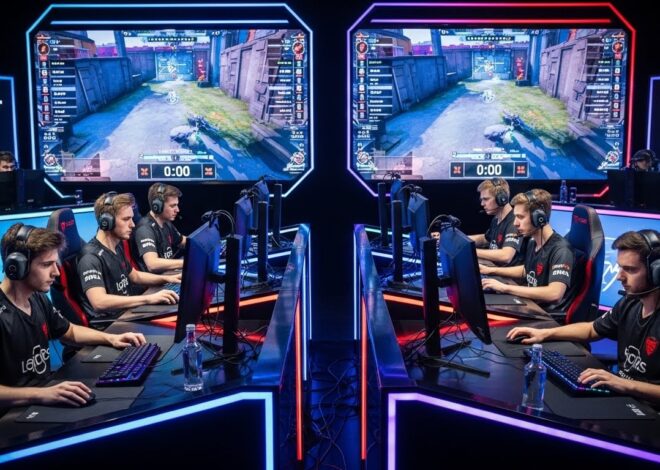
Esports events are not limited to online streams anymore. Today, some of the largest esports tournaments are held in sold-out arenas, where fans gather to watch their favorite teams compete for the championship. The League of Legends World Championship Finals, for example, has been hosted in iconic venues like the Bird’s Nest in Beijing and the Arena of Stars in Los Angeles, drawing in thousands of spectators for live action.
The global nature of esports has also attracted massive sponsorships from major brands, both within and outside of the gaming world. Companies such as Coca-Cola, Intel, Nike, and Razer have all partnered with esports teams and events, further cementing its status as a mainstream entertainment industry. The demographic of esports fans is often young, tech-savvy, and diverse, making it an attractive platform for brands aiming to reach a new generation of consumers.
Cultural Influence of Esports
Esports has not only influenced the entertainment industry but has also shaped global culture. Games like League of Legends, Fortnite, and Apex Legends have become more than just games; they are cultural phenomena that bring people together. Esports has fostered a sense of community among fans, who bond over their love for certain games, players, and teams. Esports fans often form digital communities across platforms like Discord, Reddit, and Twitter, where they can share updates, engage in discussions, and celebrate victories.
Moreover, the world of esports has inspired an entire subculture of streamers, content creators, and influencers. The rise of popular streamers such as Ninja and DrLupo has made gaming more accessible and socially acceptable, bridging the gap between gaming enthusiasts and the general public. Many influencers now extend their influence beyond gaming, venturing into mainstream media and even Hollywood, further solidifying gaming and esports as a global cultural force.
Esports also intersects with music, fashion, and even food. Esports tournaments often feature live performances from popular musicians, creating a hybrid of gaming and music entertainment. Merchandise from esports teams, including jerseys, hats, and accessories, has become a fashion trend, further normalizing gaming culture. Additionally, brands like Mountain Dew and G FUEL have capitalized on the gaming lifestyle by sponsoring events and creating products aimed specifically at gamers.
Esports and Education
Esports’ influence is not limited to entertainment and culture; it has also found a significant place in the education system. Many universities, particularly in North America, have begun offering scholarships to top esports athletes, allowing them to pursue their academic careers while also competing professionally. The rise of collegiate esports programs has brought legitimacy to gaming as a potential career path, offering young players a way to balance education with their passion.
Universities now host their own esports leagues and tournaments, and some even have dedicated esports arenas for training and competition. This has created a new avenue for students to engage in competitive gaming while still obtaining a degree. Esports clubs and societies have also become commonplace on college campuses, where students can join teams, participate in tournaments, and build their skills.
The Future of Esports
Esports is poised for continued growth and expansion. As the industry matures, there are several trends that indicate where esports is headed in the future. One of the most notable trends is the rise of mobile esports. Games like PUBG Mobile and Clash Royale have already gained massive popularity, especially in Asia, where mobile gaming is dominant. As mobile technology improves, esports events centered around mobile gaming are expected to grow in size and prominence.
Another area of growth is virtual reality (VR) and augmented reality (AR). With VR technology becoming more advanced and affordable, the possibility of VR esports is on the horizon. Imagine competing in fully immersive environments, where players can experience a new level of interactivity and engagement with both their teammates and opponents. This could revolutionize the way esports competitions are played and viewed.
Furthermore, the integration of esports into the Olympic Games remains a topic of ongoing debate. While esports is not yet part of the Olympics, discussions around its inclusion have intensified in recent years. Many believe that esports could one day be recognized as an official Olympic sport, further elevating its status on the global stage.
Conclusion
Esports has come a long way from its humble beginnings as a niche hobby to becoming a global phenomenon. Its rise is a testament to the power of technology, community, and passion. Today, esports is a multi-billion-dollar industry that attracts millions of viewers, sponsors, and players worldwide. It has influenced popular culture, provided career opportunities, and created a new form of entertainment that resonates with younger generations.
As esports continues to evolve, the future looks bright. Whether it’s through mobile gaming, virtual reality, or even the potential inclusion in the Olympics, esports is set to shape the entertainment landscape for years to come. The fusion of gaming, culture, and competition has created an entirely new space for fans and players alike, and there is