The Importance of Representation in Esports
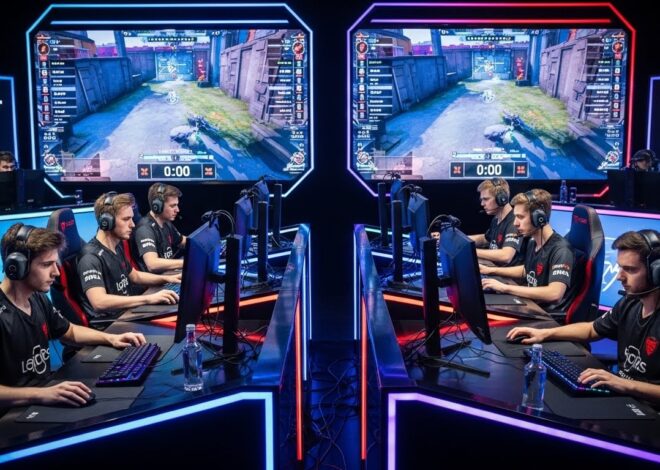
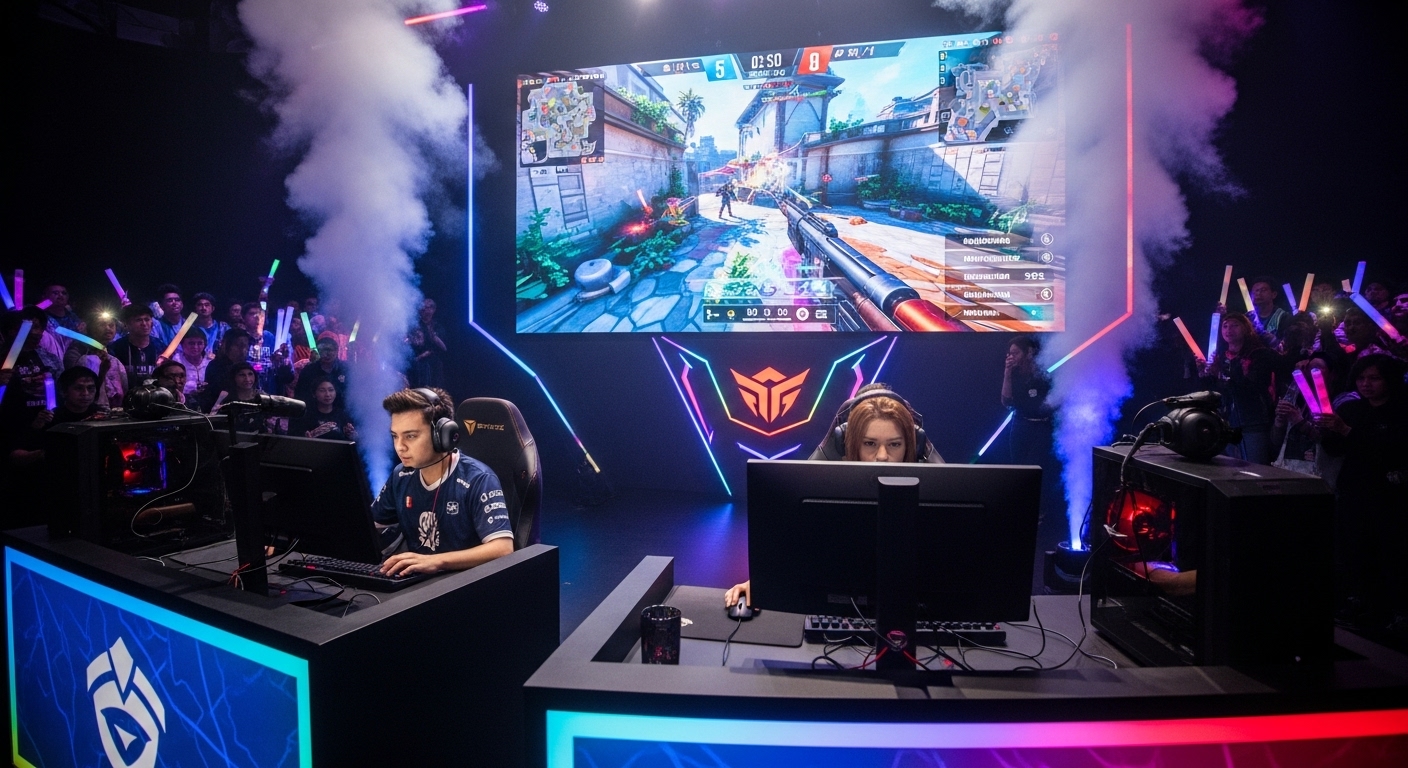
Representation matters profoundly in any field, but in esports, where visibility fuels inspiration, it holds particular significance. When young girls and women see others like themselves succeeding at the highest levels, it ignites belief and ambition. Representation challenges preconceived notions, breaking the invisible barriers that often discourage participation.
Positive representation can also shift cultural perceptions around gaming. It helps dismantle outdated ideas that esports is “just for boys” or that women are less capable in competitive environments. When female players become household names or beloved streamers, they redefine the image of what a gamer looks like, broadening the appeal of esports to more diverse audiences.
Moreover, representation in media and marketing influences how sponsors and investors view female gamers. Visibility can lead to more equitable sponsorship deals, creating financial sustainability and professional opportunities for women. This ripple effect reinforces the ecosystem necessary for long‑term growth and inclusion.
Psychological Impact of Gender Diversity in Competitive Play
Diversity in any competitive setting enhances performance and innovation. The same is true in esports, where gender diversity brings varied perspectives, problem-solving approaches, and communication styles. Teams with diverse rosters often benefit from improved synergy and strategic flexibility.
From a psychological perspective, gender-diverse teams challenge the status quo, encouraging all players to confront unconscious biases and develop empathy. It fosters an environment where respect and inclusivity become the norm rather than the exception. This healthier team culture can improve mental well-being, reduce stress, and boost motivation.
On the flip side, a lack of diversity can contribute to homogenous thinking and exclusion, which stifles creativity and limits the growth potential of teams and organizations. Therefore, embracing gender diversity is not only a matter of equity but also a strategic advantage.
Educational Initiatives Encouraging Women’s Participation in Esports
Schools, universities, and community programs have a vital role in encouraging young women to engage with esports. Educational initiatives that include esports as part of their curriculum or extracurricular activities help normalize gaming as a viable career path for all genders.
Workshops focusing on game design, coding, broadcasting, and competitive play create entry points that highlight the multifaceted nature of esports. This broad perspective allows young women to find niches that match their interests and talents, whether as players, content creators, analysts, or developers.
Scholarships and competitive collegiate esports teams that prioritize gender diversity also create structured pathways toward professional play. These programs provide both the technical skills and the confidence necessary to compete on larger stages, fostering a supportive environment that combats stereotype threat and builds resilience.
Community Efforts and Non-Profit Organizations
Several non-profit organizations and grassroots movements have emerged with a focus on empowering women in esports. These groups organize tournaments, mentorship programs, workshops, and advocacy campaigns to build safer and more inclusive spaces.
Community-driven initiatives often fill gaps left by larger organizations, providing support tailored specifically for women and marginalized genders. They emphasize empowerment, education, and the creation of networks that nurture talent and solidarity.
By organizing local and international events, these organizations also create platforms for visibility and recognition. Their work highlights the importance of collective action and community support in achieving systemic change.
The Role of Male Allies in Promoting Gender Equality
Achieving gender equality in esports is a shared responsibility. Male allies have a critical role to play in challenging toxic behavior, advocating for inclusion, and supporting female players and colleagues.
Allyship involves more than passive acceptance; it requires active engagement. This includes calling out harassment, amplifying women’s voices, promoting equitable policies within teams and organizations, and fostering respectful communication.
Male leaders in esports who champion diversity set a powerful example. Their influence can shift cultural norms and encourage others to adopt inclusive behaviors. When allies use their platforms responsibly, they help create environments where everyone feels valued and empowered to contribute their best.
The Intersectionality Within Women’s Esports Experiences
It is essential to recognize that women in esports do not constitute a monolithic group. Experiences vary widely depending on intersecting identities such as race, ethnicity, socioeconomic background, sexual orientation, and disability.
Women of color, LGBTQ+ individuals, and those from marginalized communities often face compounded challenges, including systemic bias and limited access to resources. Intersectionality calls for a nuanced approach to inclusion that addresses these layered experiences.
Efforts to diversify esports must therefore be intersectional, ensuring that support systems, policies, and initiatives reflect the varied realities of all women. Recognizing intersectionality enriches the community and promotes equity across the board.
The Economic Potential of Women in Esports
Women represent a significant and growing segment of the gaming and esports audience. Their economic potential cannot be overlooked. Female gamers spend on gaming hardware, merchandise, event tickets, and digital content at increasing rates.
Recognizing this market potential, brands and sponsors have begun targeting women gamers, creating tailored products and marketing campaigns. This shift has the potential to open new revenue streams, stimulate investment in women’s esports, and contribute to the industry’s overall growth.
Furthermore, empowering women as professional players, content creators, and entrepreneurs within esports enhances innovation and market diversity. This economic empowerment feeds back into the community, enabling more women to pursue esports careers.
Technological Innovations Supporting Inclusion
Advances in technology have created new opportunities for women in esports. Virtual reality, augmented reality, and AI-driven training tools offer innovative ways to practice and compete.
Streaming platforms with advanced moderation and community management tools help create safer spaces for female gamers. Algorithms that promote diverse content creators can increase visibility and engagement.
Additionally, technology enables remote participation, breaking down geographical and financial barriers. This accessibility is particularly beneficial for women in regions where esports infrastructure is limited or where social norms restrict physical attendance.
How Game Developers Can Foster Gender Inclusivity
Game developers hold significant power in shaping the esports landscape. By designing games that include diverse characters, balanced gameplay, and inclusive narratives, they contribute to a welcoming environment.
Developers can also support female gamers by hosting inclusive tournaments, providing support for women’s teams, and investing in community initiatives.
Furthermore, establishing zero-tolerance policies for harassment within games, offering reporting tools, and fostering positive online communities can reduce toxicity and encourage female participation.
Conclusion: A Future Built on Equality and Excellence
The journey of women in esports reflects broader societal shifts toward gender equality and inclusion. While obstacles remain, the progress made proves that change is possible.
By breaking stereotypes, excelling in competition, and shaping the culture, women are not just participating in esports—they are transforming it.
The future of esports lies in embracing diversity in all its forms. A future where talent and passion determine success, where barriers fall, and where everyone can compete, create, and lead.
Supporting women in esports is supporting the industry’s most vibrant, dynamic, and sustainable future. Together, the community can build a competitive landscape where excellence is celebrated, and equality is a given—not an exception.