The Evolution of Esports: From a Hobby to a Global Phenomenon
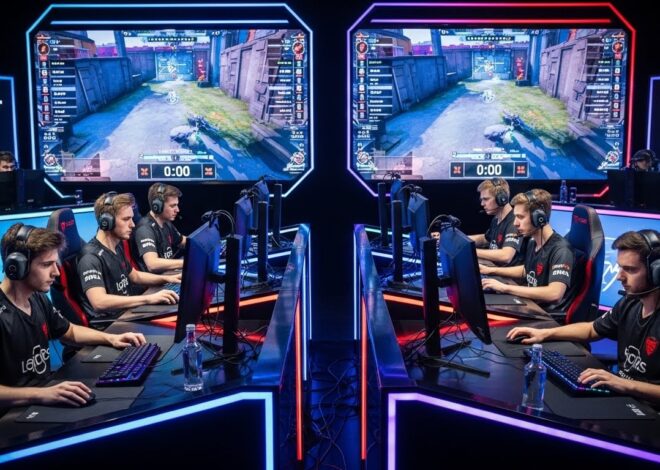
Esports, once a niche activity enjoyed by a dedicated group of gamers, has evolved into a global entertainment powerhouse. From its humble beginnings in local LAN parties to sold-out arenas hosting multi-million-dollar tournaments, esports has transformed from a pastime into a professional industry with millions of fans worldwide. In this blog post, we’ll explore the growth and impact of esports, its role in the gaming ecosystem, the rise of professional players, and the future of competitive gaming.
The Early Days: A Subculture Emerges
Esports’ roots can be traced back to the early days of multiplayer gaming in the late 1990s and early 2000s. At this time, gaming was largely a solo experience, but as internet connections improved, the idea of competitive multiplayer gaming began to take shape. Early examples of this include the first major online multiplayer games like Quake, StarCraft, and Warcraft, where players would gather in virtual arenas to compete against one another.
While competitive gaming initially lacked the structure and recognition it has today, players began organizing informal tournaments, usually through local LAN (Local Area Network) parties, where they could connect their computers and compete in real-time. These events were small, often featuring a handful of players who would spend hours battling it out over their favorite games. While far from professional, these early competitions planted the seeds for what would later become a thriving industry.
The Breakthrough: The Rise of Global Tournaments
The turning point for esports came with the advent of online gaming and the growth of global internet access. No longer were players restricted to LAN parties and local tournaments. Online games such as StarCraft and Counter-Strike allowed competitors from all over the world to play against one another, creating the foundations for a truly global esports community.
In 2000, the first international tournament, the World Cyber Games (WCG), was held in South Korea, one of the countries that would become the birthplace of modern esports. The WCG marked a pivotal moment in the history of esports by introducing large-scale global competitions, complete with sponsorships and official broadcasting. It also showcased the potential for esports to be a legitimate, professional activity rather than just a casual hobby.
By the time League of Legends was released in 2009, esports began to take on a much more organized structure. Riot Games, the developer behind LoL, laid the groundwork for the modern esports industry by creating a well-established competitive league system. This included regional tournaments, world championships, and lucrative sponsorship deals. Riot’s approach helped elevate League of Legends into the global esports powerhouse it is today, bringing organized competitions into the mainstream and proving that competitive gaming could draw large audiences, both in person and online.
Esports as a Global Industry: The Rise of Professional Leagues
As esports grew in popularity, it began to take on the structure of traditional sports leagues. The development of professional esports teams and players mirrored the growth of sports teams and athletes in other industries. Organizations such as Team Liquid, Cloud9, and Fnatic quickly became household names in the esports world, while individual players, such as Lee “Faker” Sang-hyeok from League of Legends, became internationally recognized stars.
A significant turning point came with the launch of the Overwatch League in 2018. With its franchised team model, similar to traditional sports leagues like the NBA or NFL, the Overwatch League represented a new approach to esports’ commercialization. This franchised model allowed for consistent team structures, branding opportunities, and guaranteed salaries for players, solidifying esports as a legitimate career path.
As esports teams gained more recognition, the tournaments themselves grew in size and scope. Major events like The International (Dota 2), League of Legends World Championships, and EVO (the largest fighting game tournament) began to offer prize pools in the millions, attracting players from around the world to compete at the highest level. These tournaments also saw the emergence of professional broadcasting and analysis, with commentators (often called “casters”) providing play-by-play commentary and expert analysis, much like traditional sports broadcasts.
The Player Experience: From Hobbyist to Celebrity
With the rise of professional esports leagues, the life of an esports player began to change. In the early days of competitive gaming, players were often hobbyists who competed for fun or small prizes. However, as prize pools grew and sponsorships became more prominent, players began to see the possibility of turning gaming into a career. Esports professionals now train just as seriously as athletes in traditional sports. Many players have coaches, analysts, and fitness regimens to help them stay competitive.
Famous players such as KuroKy from Dota 2, S1mple from Counter-Strike: Global Offensive, and Faker from League of Legends have become global icons, amassing millions of followers on social media and enjoying sponsorship deals with major brands. Esports athletes can now earn significant salaries not only from tournament winnings but also from sponsorships, streaming platforms like Twitch, and merchandise sales. This transformation has made gaming a viable professional career for many, attracting both seasoned players and newcomers eager to make their mark in the industry.
The culture surrounding professional players has also evolved. In many ways, they have become celebrities, with fans following their every move. Platforms like Twitch and YouTube have enabled these players to build brands around themselves, streaming their gameplay and engaging with fans in real-time. This level of interaction has brought the esports community closer together, turning players into personalities with loyal followings.
Esports as a Spectator Sport: The Digital Arena
One of the most unique aspects of esports is its ability to blend gaming and spectatorship. While traditional sports involve fans watching athletes compete, esports brings together both players and fans in a way that is completely digital. Online platforms such as Twitch, YouTube Gaming, and Facebook Gaming have become the primary venues for watching live esports competitions.
Esports events have drawn millions of viewers online, with the League of Legends World Championships in 2019 reaching over 100 million unique viewers. This number is staggering when compared to traditional sports, and it highlights the growing appeal of esports as a form of entertainment. Live broadcasts of esports tournaments are often filled with high-energy commentary, dramatic moments, and behind-the-scenes insights, keeping viewers engaged from start to finish.
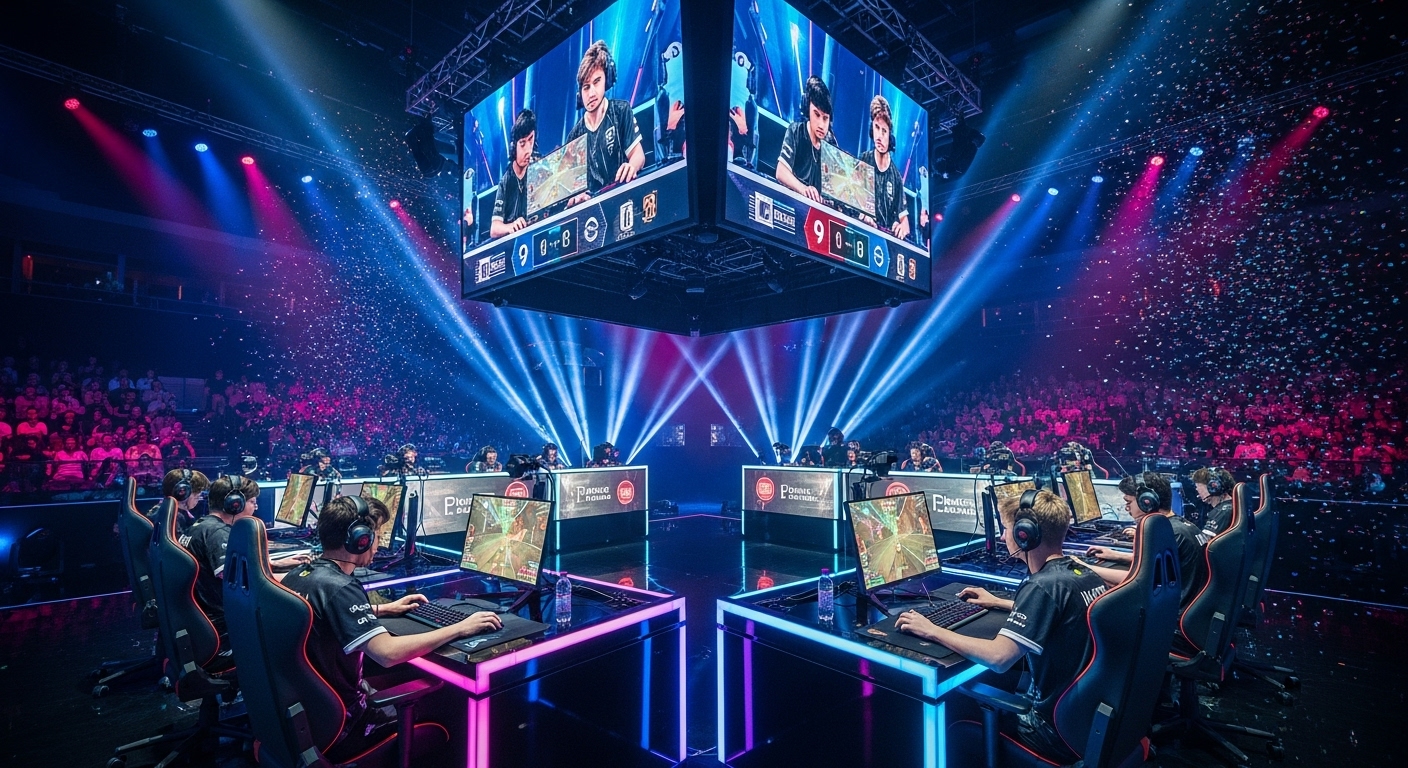
Moreover, esports events are increasingly held in large arenas, with fans attending in person to cheer on their favorite teams. These events are often massive spectacles, with pyrotechnics, elaborate stage designs, and live performances making the experience even more exciting. Some of the largest esports tournaments, such as The International for Dota 2 and the League of Legends World Championship, sell out stadiums with tens of thousands of fans in attendance, further proving that esports has reached the status of traditional sports.
The Financial Impact of Esports: Sponsorships, Merchandising, and Media Deals
Esports has quickly evolved into a highly lucrative industry, attracting sponsorships from major companies and brands. In fact, esports is expected to generate over a billion dollars in revenue in the coming years, with sponsorship deals making up a significant portion of the income. Companies such as Intel, Coca-Cola, Razer, and Nike have partnered with esports organizations, providing financial support in exchange for brand visibility.
In addition to sponsorships, esports teams and organizations also generate revenue through merchandising, broadcasting rights, and ticket sales for live events. The rise of digital platforms like Twitch and YouTube Gaming has created new revenue streams for content creators and broadcasters. These platforms offer advertisers the ability to target large, engaged audiences, and as esports viewership continues to grow, the advertising dollars flowing into the industry will only increase.
One of the most notable examples of esports’ financial success is The International, the premier tournament for Dota 2, which is famous for its enormous prize pool funded largely by the community. In 2021, the prize pool for The International 10 reached over $40 million, with the bulk of the funding coming from fan purchases of in-game items. This kind of fan-driven financial support is a unique feature of esports and showcases the deep connection between players, teams, and their audiences.
The Future of Esports: What Lies Ahead?
The future of esports is filled with potential and opportunities. As the industry continues to grow, several key trends are expected to shape its evolution:
1. The Growth of Mobile Esports: As mobile gaming continues to rise in popularity, mobile esports is becoming a major area of focus. Games like PUBG Mobile and Clash Royale are gaining traction with players and fans alike, and mobile esports tournaments are beginning to rival their PC counterparts in terms of viewership and prize pools.
2. Esports in Education: With the increasing popularity of competitive gaming, esports programs are being integrated into schools and universities. Many educational institutions are now offering scholarships for esports players, and some have even established their own esports teams to compete in regional and national tournaments.
3. Integration with Traditional Sports: As esports continues to mature, we may see greater collaboration between the esports industry and traditional sports. Major sports leagues, such as the NFL and NBA, have already started investing in esports and creating their own esports leagues, helping to bridge the gap between the two industries.
4. New Technologies and Formats: Virtual reality (VR) and augmented reality (AR) are expected to play a significant role in the future of esports. As gaming technology advances, we may see new forms of competition that allow players and viewers to experience esports in entirely new ways.