The Evolution of Esports: A Deep Dive into Its Growth, Challenges, and Future
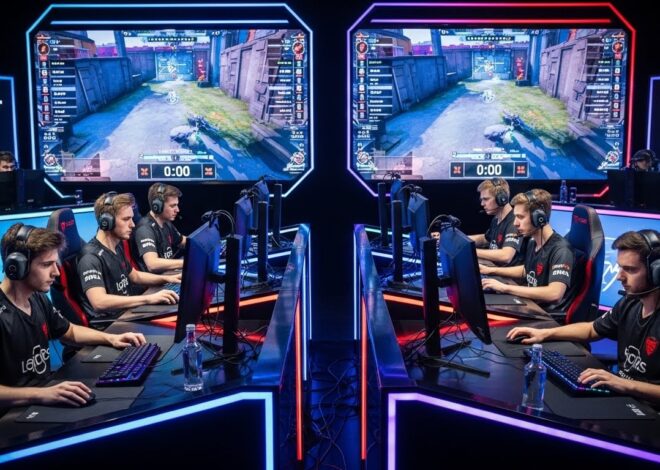
Esports, or competitive video gaming, has become one of the most significant and fast-growing industries in the world. What started as a niche activity for enthusiasts and hobbyists has now transformed into a global phenomenon, attracting millions of players, fans, sponsors, and investors. With the rise of streaming platforms like Twitch, YouTube Gaming, and the expansion of major tournaments and leagues, esports has firmly established itself as a mainstream entertainment industry.
This blog post explores the fascinating history of esports, its development over the years, the challenges it faces, and the future prospects of the industry. We will dive into the key components that make esports what it is today, from professional gaming organizations to sponsorship deals and streaming culture.
The Birth of Esports: From Arcades to Online Play
The Early Days of Competitive Gaming
Esports didn’t appear out of nowhere; it evolved from the broader culture of video gaming. In the late 1970s and 1980s, gaming enthusiasts gathered in arcades to compete for high scores. Some of the earliest competitions were centered around classic arcade games like Space Invaders and Pong. These games sparked the idea of competitive play, although they were far less organized than modern esports events.
The real turning point for competitive gaming came in the 1990s with the advent of home consoles and the rise of PC gaming. As the internet became more accessible, players were able to compete online, paving the way for the growth of multiplayer online games.
The Rise of LAN Tournaments
In the late 1990s and early 2000s, the first true esports tournaments began to take shape. These events, often referred to as LAN (Local Area Network) tournaments, allowed players to connect their computers in a single location for high-speed multiplayer competition. One of the most significant early events was the Quake tournaments, which brought together top players from around the world for high-stakes competition.
StarCraft (released in 1998) and Warcraft III (released in 2002) were also pivotal in the growth of competitive gaming, particularly in South Korea, where gaming culture was rapidly gaining momentum. The rise of StarCraft as a competitive title in South Korea can be considered one of the key moments in esports history, laying the groundwork for the future success of esports in Asia and beyond.
The Rise of Online Gaming Platforms and the Professionalization of Esports
The Role of Online Platforms
The 2000s saw the rise of platforms like Battle.net, Xfire, and Steam, which made online gaming more accessible to millions of people. These platforms provided a foundation for the development of esports by connecting players from around the world, allowing them to compete without needing to attend physical tournaments.
One of the most significant milestones in esports’ growth came with the success of League of Legends (LoL), released in 2009. LoL, developed by Riot Games, became a cornerstone of the modern esports landscape. The game’s competitive nature, regular updates, and large player base made it ideal for tournaments and leagues, and its success spurred the creation of major events like the League of Legends World Championship.
The establishment of ESL (Electronic Sports League) and DreamHack in the early 2000s also helped solidify esports as a professional sport. These organizations set the stage for large-scale tournaments, with prize pools reaching millions of dollars, further proving that competitive gaming could attract mainstream attention.
The Emergence of Professional Esports Organizations
As esports grew, so did the need for professional organizations. Teams began to form around popular games, and sponsorships, team branding, and management became more sophisticated. Organizations like Team Liquid, Cloud9, and SK Gaming became household names in the esports community, attracting top-tier players and building fanbases that extended far beyond the gaming community.
Esports organizations began hiring coaches, analysts, and content creators to help their teams improve and gain visibility. This professionalization allowed esports to develop into a multi-faceted industry that included not just players, but also managers, marketers, and broadcasters. These organizations played a crucial role in establishing esports as a legitimate sport in the eyes of mainstream media and advertisers.
The Role of Streaming in Esports Growth
Twitch and the Rise of Streaming Culture
One of the most important factors contributing to the rise of esports was the emergence of live streaming platforms. Twitch, launched in 2011, became the go-to platform for watching live gaming content. Initially, the focus was on casual gameplay, but as esports grew in prominence, professional events began streaming on Twitch, attracting millions of viewers.
Streaming platforms provided a space for fans to engage with their favorite players and teams in real time. The chat feature allowed fans to interact with each other, share thoughts, and even influence the course of a broadcast by donating or subscribing to channels. This sense of community and interactivity was one of the key elements that helped esports become a global phenomenon.
The success of Twitch also laid the foundation for other platforms like YouTube Gaming and Facebook Gaming, creating a competitive landscape for streaming services to battle for the attention of gamers and viewers. Esports organizations began to recognize the importance of streaming and social media presence, and many teams invested heavily in content creation and fan engagement through these platforms.
The Impact of Streaming on Esports Viewership
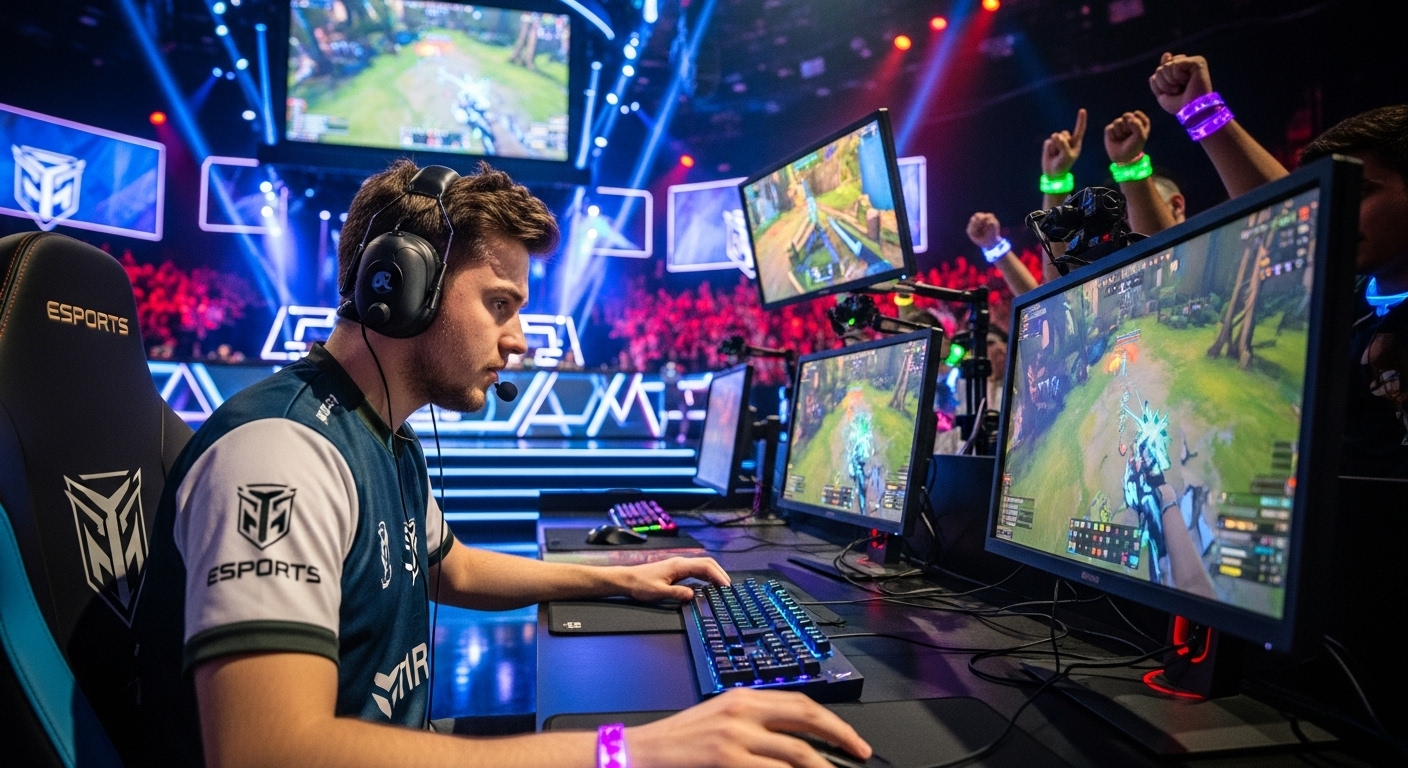
The ability to watch esports events live, from the comfort of one’s home, played a huge role in expanding the esports audience. Major tournaments, such as the International Dota 2 Championships and the League of Legends World Championship, now attract millions of viewers globally, both online and in person. Some tournaments even fill large arenas, drawing crowds comparable to those of traditional sports.
In 2020, the League of Legends World Championship broke records by attracting over 100 million unique viewers, highlighting just how far esports had come. Similarly, the Dota 2 International tournament reached an incredible peak of 2.7 million concurrent viewers in 2021. These statistics show the growing interest in esports and its potential for attracting even larger audiences in the future.
The Globalization of Esports
Esports in Asia: The Epicenter of Competitive Gaming
Asia has been a dominant force in the development and growth of esports. South Korea, in particular, became the epicenter of professional gaming in the early 2000s. The popularity of games like StarCraft, Warcraft III, and League of Legends helped establish esports as a mainstream form of entertainment in the region.
The Korean government supported esports through infrastructure investments, including the establishment of dedicated esports arenas and the creation of national leagues. These efforts were critical in fostering the growth of esports in the region. Today, Korea remains one of the leading nations in esports, with players like Faker and organizations like T1 regarded as legends in the industry.
China has also emerged as a major player in esports. The country boasts some of the largest esports tournaments, such as the League of Legends Pro League (LPL) and the Honor of Kings World Champion Cup. The Chinese government’s favorable stance towards esports has allowed the industry to flourish, and the country is home to some of the most successful esports organizations in the world.
The Rise of Esports in the West
While Asia remains the epicenter of competitive gaming, the West has also seen significant growth in esports. North America and Europe have witnessed the rise of major tournaments, esports organizations, and streaming communities. Games like Counter-Strike: Global Offensive (CS:GO), Overwatch, and Fortnite have helped make esports more accessible and appealing to Western audiences.
The launch of Overwatch League in 2018 was a pivotal moment for esports in North America, as it mirrored traditional sports leagues like the NFL or NBA, with teams based in cities across the United States. This franchise-based model provided a blueprint for future esports leagues, including those for games like Call of Duty, Valorant, and Rocket League.
Esports Sponsorships and Monetization
The Role of Sponsorships in Esports
Sponsorships have played a key role in the development of esports, providing financial support for teams, tournaments, and events. The influx of sponsorship deals from major brands has helped professionalize esports and make it a viable career option for many players.
Global brands like Coca-Cola, Intel, Red Bull, and Mercedes-Benz have partnered with esports organizations, sponsoring tournaments and teams. These partnerships not only provide financial backing but also help esports reach new audiences. Sponsorships are particularly crucial for the sustainability of esports, as they offer a revenue stream that helps cover the costs of organizing events, supporting players, and growing esports organizations.
The Rise of Prize Money
Prize money has become another important driver of esports’ growth. Major tournaments now offer multi-million-dollar prize pools, with the Dota 2 International tournament regularly offering the largest prizes in the industry. In 2021, the Dota 2 prize pool reached a staggering $40 million, with the winning team taking home over $18 million.
Other games, like League of Legends and Counter-Strike: Global Offensive, also offer substantial prize money. As prize pools grow, so does the prestige and legitimacy of esports as a career path for players.
The Future of Esports
Esports and Traditional Sports
As esports continues to grow, the lines between traditional sports and esports are beginning to blur. In fact, some organizations have even started to compare esports to traditional sports in terms of viewership and audience engagement. Several esports events are now broadcast on major sports networks, and some traditional sports teams have even invested in esports franchises.
Esports has also seen the rise of esports athletes, with some players achieving celebrity status within the gaming community. Esports organizations now employ full-time coaching staff, analysts, and managers, much like traditional sports teams.
The Expansion of Esports into Education and Career Opportunities
One of the most exciting aspects of the future of esports is its potential for educational opportunities. Many colleges and universities around the world are now offering esports scholarships, creating pathways for students to pursue careers in competitive gaming, content creation, and game development.
In addition to education, the expansion of esports as a legitimate career path has opened up opportunities in fields such as marketing, broadcasting, and event management. The growth of esports as an industry has created thousands of new jobs, making it an attractive field for young professionals.
The Potential of Virtual Reality and Augmented Reality
Looking further ahead, technologies like virtual reality (VR) and augmented reality (AR) may revolutionize esports in the coming years. VR and AR offer immersive experiences that could take competitive gaming to new heights. Games designed for VR or AR could create entirely new competitive formats, allowing players and fans to experience esports in ways that were previously unimaginable.
Conclusion
Esports has come a long way since its early days in arcades and LAN tournaments. Today, it stands as a multi-billion-dollar industry with millions of fans, professional players, and investors. While there are challenges ahead, such as concerns around player health, addiction, and the need for better regulation, the future of esports looks incredibly bright.
The rise of streaming, the expansion of professional leagues, and the increasing involvement of major brands all point to a thriving ecosystem that will continue to evolve and capture the attention of players and fans worldwide. Whether you’re a competitive gamer, a fan, or just someone interested in the growing field of esports, it’s clear that esports is here to stay.
The next few years will likely see even more growth, innovation, and excitement as esports becomes an integral part of the global entertainment landscape. So, whether you’re watching a tournament live or participating in your own local competitions, one thing is for certain: the world of esports is only just beginning.