The Esports Revolution: How Competitive Gaming is Reshaping the Future of Entertainment
Introduction: The Rise of Esports as a Global Phenomenon
Esports, once a niche hobby for a small group of dedicated gamers, has become a dominant force in the entertainment industry. Today, esports is a multi-billion-dollar global industry that attracts millions of viewers, sponsors, and players. What began as informal online competitions has evolved into highly organized tournaments with professional players, massive prize pools, and a global fanbase. In this blog post, we will explore the origins of esports, its rapid rise to mainstream recognition, its impact on traditional sports, and its future as a major player in entertainment and culture.
The Early Days of Competitive Gaming
The story of esports begins with the earliest days of video games. In the 1970s and 1980s, arcade games like Space Invaders and Pong offered the first glimpse of competition within the gaming world. However, it wasn’t until the 1990s that the idea of competitive gaming started to take shape. Games like Quake, StarCraft, and Warcraft introduced multiplayer online modes that allowed players to compete against each other in real-time. Early tournaments, such as the Red Annihilation tournament in 1997, became milestones in the development of esports. These events may have been small in scale, but they marked the beginning of competitive gaming as a legitimate form of entertainment.
The Growth of Esports in the 21st Century
By the early 2000s, esports began to experience significant growth, particularly in South Korea, where StarCraft became a national sensation. As the internet became more accessible and gaming technology improved, competitive gaming moved beyond regional boundaries. With games like Counter-Strike, Warcraft III, and Dota, esports tournaments started to draw larger audiences. In 2011, the League of Legends (LoL) World Championship was held for the first time, marking the beginning of one of the most successful esports franchises in history. Since then, LoL has grown into a global esports powerhouse with a massive player base and millions of viewers tuning in to watch the championship each year.
The introduction of streaming platforms like Twitch and YouTube in the early 2010s changed the way fans consumed gaming content. Players could now live-stream their gameplay, engage with fans, and create content that reached global audiences. Esports began to take on the characteristics of traditional sports, with professional teams, coaches, analysts, and commentators. This professionalization, coupled with the growth of online platforms, helped propel esports into the mainstream.
The Professionalization of Esports
As esports grew in popularity, it also became more organized and professional. Major gaming companies like Riot Games (League of Legends), Valve (Dota 2, Counter-Strike: Global Offensive), and Blizzard Entertainment (Overwatch, StarCraft) began to establish formal leagues and tournaments. These tournaments offered substantial prize pools, with events like The International for Dota 2 offering prize money in the tens of millions of dollars. This level of financial backing, combined with the increasing viewership of these tournaments, transformed esports into a legitimate career path for many players.
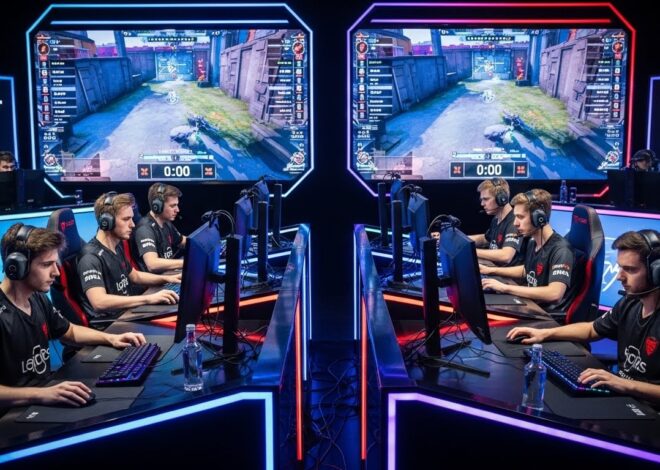
Much like traditional sports, esports now has a clear structure. There are professional teams that compete in organized leagues, such as the League of Legends Championship Series (LCS) or Overwatch League (OWL). These teams employ players, coaches, analysts, and staff to ensure peak performance. The career of a professional esports player is rigorous, involving long hours of practice, strategy meetings, and travel for tournaments. In addition to competing in live events, players often engage with fans on social media, stream gameplay, and participate in sponsorships with major brands. This professional ecosystem has made esports a viable career for many talented gamers.
The Spectator Experience: Esports as Entertainment
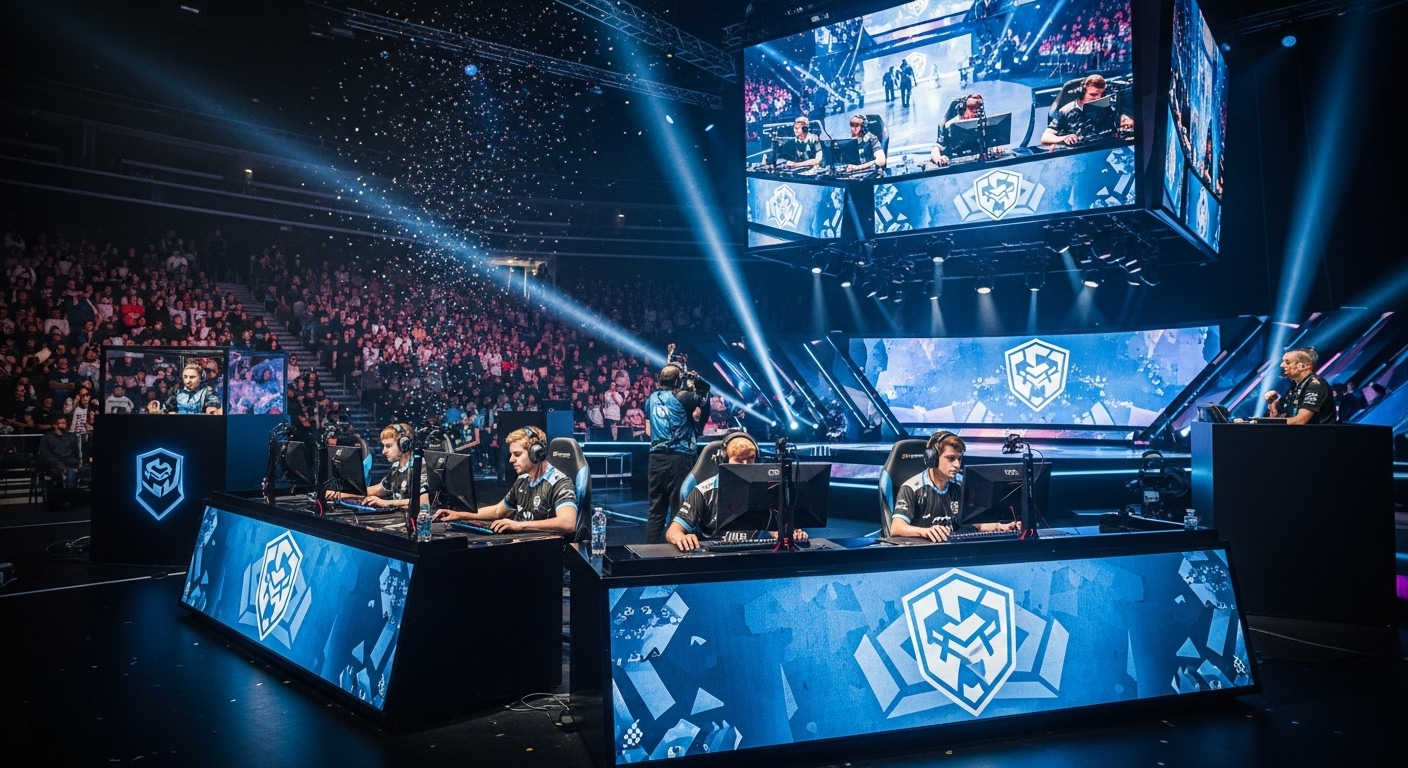
One of the most exciting aspects of esports is the way it has transformed the entertainment landscape. Traditional sports require physical venues for spectators to watch, but esports has made gaming a truly global, digital experience. Platforms like Twitch, YouTube Gaming, and Facebook Gaming have made it easier for fans to watch live streams of games, tournaments, and events in real time. Major esports tournaments are broadcast to millions of viewers worldwide, with professional commentators, expert analysis, and high-quality production values making it an immersive spectator experience.
The ability to watch esports from anywhere with an internet connection has made it accessible to a global audience. Fans can follow their favorite teams and players, interact with them in live chats, and even place virtual bets on the outcomes of matches. In addition to live streaming, esports tournaments are now available on cable and satellite television, further expanding the viewership.
Esports has also introduced a new form of “sports entertainment” by incorporating interactive elements into the viewing experience. Fans can participate in in-game events, vote on certain aspects of the competition, or engage in live commentary. These innovations help keep the audience engaged and create a sense of community among fans.
Esports vs. Traditional Sports
While esports and traditional sports differ in their mechanics, the two share many similarities. Both require high levels of skill, strategy, and teamwork to succeed. Just like football players or basketball players, esports competitors must practice extensively to refine their craft and perform at the highest level. Both fields also require coaches and support staff to analyze performance, provide strategy, and help players maintain peak physical and mental condition.
The biggest difference, of course, is that esports is digital, while traditional sports are physical. This makes esports more accessible in some ways. For example, players don’t need access to expensive stadiums or physical fields to practice. Instead, all they need is a computer or gaming console, an internet connection, and the drive to improve. Esports also has a more global reach due to the digital nature of the games, allowing players from different countries to compete against each other on equal footing.
In terms of viewership, esports has begun to rival traditional sports. Major tournaments like The International (Dota 2), League of Legends World Championships, and Overwatch League draw millions of viewers across multiple continents. In fact, the League of Legends World Championship Finals has attracted more viewers than the Super Bowl in some years, illustrating the growing appeal of esports as a mainstream form of entertainment.
The Social Impact of Esports
Esports has had a profound impact on social dynamics, especially among younger generations. Gaming communities now function as social hubs, where people from different backgrounds can meet, form friendships, and work together toward common goals. Esports provides a platform for self-expression, skill development, and personal growth, often allowing individuals to connect with others who share their interests and passions.
Additionally, esports is breaking down barriers related to gender, race, and culture. In the past, competitive gaming was often dominated by male players, but the landscape is shifting. More and more women are participating in esports, both as players and in behind-the-scenes roles like commentators, analysts, and managers. Furthermore, esports brings together people from all over the world, creating an inclusive environment where players of all backgrounds can come together to compete.
Esports has also raised important conversations around mental health, particularly regarding the pressures faced by professional players. The high level of competition, coupled with long hours of practice and travel, can take a toll on players’ well-being. Many esports organizations have begun offering mental health support and counseling services to help players manage stress, anxiety, and burnout. The conversation about mental health in esports is helping to reduce the stigma surrounding mental health issues in the gaming community.
The Future of Esports
Looking ahead, the future of esports is incredibly promising. As technology continues to advance, the possibilities for esports are expanding. Virtual reality (VR) and augmented reality (AR) are already beginning to make their way into esports, offering new ways for players and fans to experience competitions. The rise of mobile gaming is also playing a significant role, as games like PUBG Mobile and Clash Royale are becoming more popular in the esports scene. As mobile devices continue to improve, mobile esports will likely become a dominant force in the industry.
Furthermore, the growing popularity of streaming platforms and the increasing involvement of traditional sports organizations in esports suggest that the industry will continue to thrive. Esports is becoming more integrated into mainstream culture, with global brands, media companies, and even universities recognizing its potential. Esports is now an established part of the entertainment landscape, and it is poised to become a central component of the future of sports and digital entertainment.
Conclusion: The New Age of Competitive Gaming
Esports has gone from a niche activity to a global industry, transforming how we view and experience gaming. With its professional structure, global reach, and diverse fanbase, esports is poised to become one of the most influential forms of entertainment in the years to come. As it continues to grow and evolve, esports will undoubtedly have a lasting impact on the way we engage with digital media, sports, and culture. Competitive gaming is no longer just a hobby—it’s a cultural movement that is shaping the future of entertainment and beyond.