The Digital Coliseum: How Esports Is Redefining Global Competition
Esports has transformed from a niche hobby into a massive global movement that rivals many traditional sports in popularity, influence, and cultural impact. What once took place in living rooms and dimly lit arcades now fills entire stadiums, attracting millions of viewers worldwide. The world of esports is vibrant, fast-growing, and continuously evolving, shaping the future of entertainment, technology, and human competition. This blog explores the rise, structure, impact, challenges, and future of esports in an engaging and detailed way.
The Birth and Evolution of Esports
Esports did not become a phenomenon overnight. It began modestly in the early days of arcade and home gaming. The very first competitions revolved around simple high-score challenges in games like Tetris and Pac-Man. But as technology advanced, so did the idea of competitive gaming. The 1990s ushered in multiplayer PC gaming and online connectivity, allowing players to compete beyond their local neighborhoods. Titles such as StarCraft and Quake laid the foundation for organized tournaments, setting the stage for what esports would eventually become.
The true acceleration of esports came in the 2000s, when broadband internet and powerful gaming hardware made global competition simple and effective. Online platforms allowed players to meet, compete, and rise through the ranks. With the arrival of streaming platforms, esports exploded into mainstream entertainment. Today, tournaments for games such as League of Legends, Valorant, Counter-Strike, and Dota have become yearly global events, drawing millions of spectators.
Why Esports Captivates Millions
Esports has become popular for multiple reasons. One of the primary factors is accessibility. While traditional sports often require access to fields, training, or equipment, esports can be played anywhere with a device and a stable internet connection. This creates endless opportunities for players from diverse backgrounds to participate in competitive gaming.
Another factor is the wide variety of games available. Esports is not limited to one format. There are shooters, strategy games, sports simulations, fighting games, and even battle royale formats. This diversity ensures that there is something for every personality and playstyle.
Additionally, esports fosters strong communities. Online platforms allow fans to interact, watch their favorite players, and join discussions. This creates a sense of belonging and engagement that keeps the audience coming back. The fast-paced nature of esports also provides constant excitement, with quick decisions, strategic plays, and unpredictable outcomes adding to the thrill.
Professional Esports: Structure and Organization
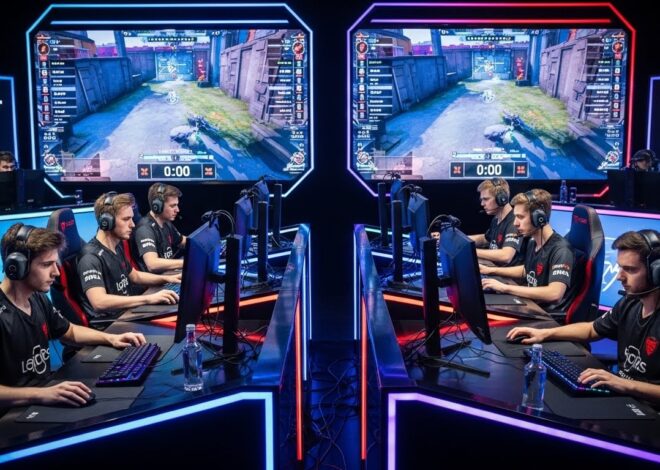
Esports operates much like traditional sports leagues. There are professional teams, coaches, analysts, trainers, and sponsors. Teams often represent cities or countries and compete in seasonal leagues or international tournaments. Professional gaming organizations recruit top talent and provide structured training environments similar to those seen in traditional sports clubs.
Players practice for hours every day, analyzing strategies, improving teamwork, and refining their mechanics. Coaches break down game footage, identify weaknesses, and help players develop effective strategies. Analysts use data to predict opponents’ behaviors, helping teams prepare for competition. This complex infrastructure has helped esports grow into a professional and respected field.
The Skills Behind Esports Excellence
Esports competitors are often misunderstood as simply “playing games,” but the reality is far more demanding. Success requires a combination of cognitive and physical skills developed through intense practice.
One of the key abilities is strategic thinking. Many esports titles require long-term planning, rapid problem-solving, and the ability to adapt to changing situations. Players must read opponents’ movements, anticipate strategies, and react instantly.
Reflexes and hand-eye coordination are also essential. High-level esports play often demands split-second decisions and pinpoint accuracy. Players rely on fast reactions that can determine victory or defeat.
Teamwork is another vital component, especially in games where teammates must coordinate attacks, defend objectives, and support each other under pressure. Effective communication is often the difference between a win and a loss.
Finally, mental strength plays a huge role. Professional gamers face pressure, high expectations, and intense competition. Staying calm, focused, and confident is crucial, particularly during international tournaments.
The Esports Economy: A Thriving Global Industry
The esports economy is booming, with revenue streams coming from sponsorships, advertising, media rights, merchandise, events, and in-game purchases. Large corporations invest in esports due to its massive and highly engaged audience. The demographic is particularly attractive because it consists largely of young, tech-savvy viewers who actively participate in online communities.
Teams and organizations also earn revenue through partnerships and branding. Professional players can secure contracts, prize winnings, and even personal sponsorships. Many become content creators, building followings that extend beyond competitive play. This creates multiple avenues for income and career growth.
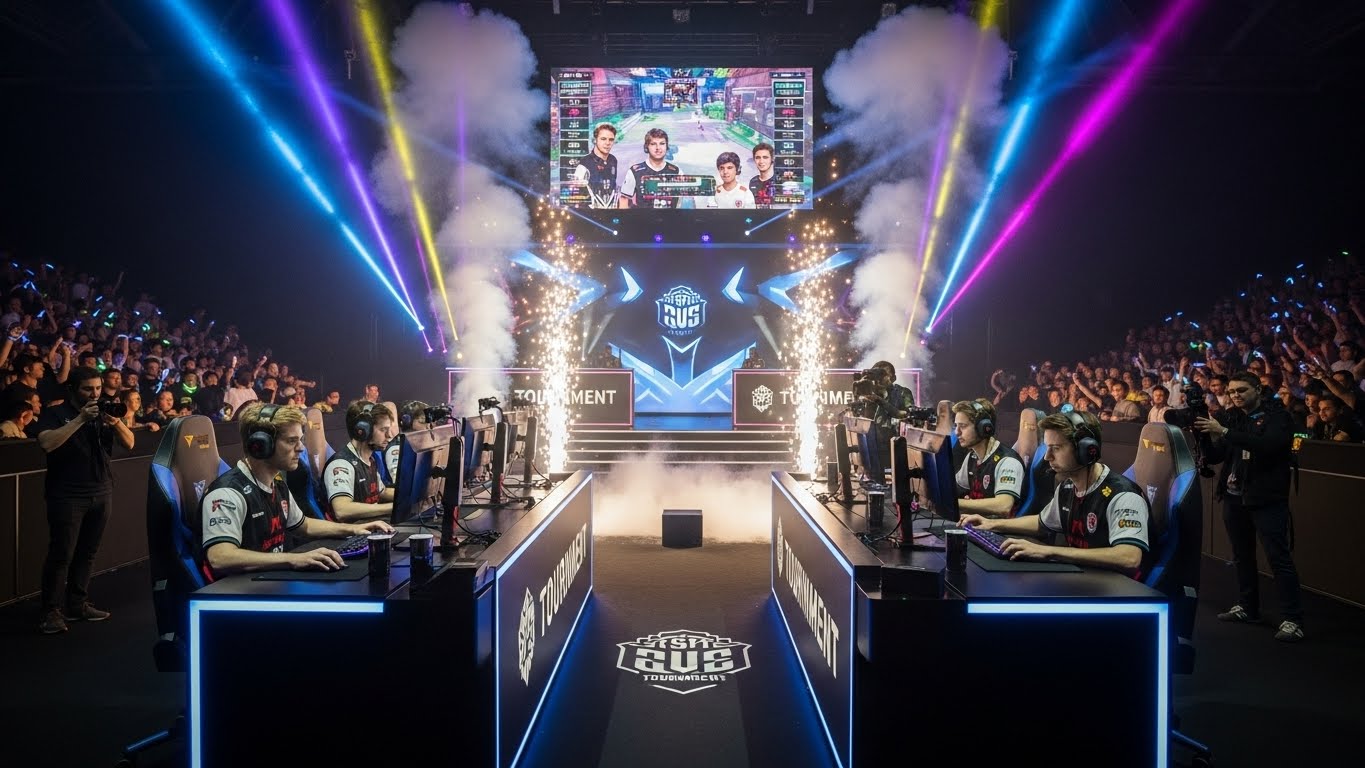
Esports events generate significant revenue as well. Arenas filled with fans create memorable experiences, and millions more watch online. These events require production crews, broadcasters, commentators, and marketing teams, creating jobs and boosting the economy.
Technology Driving Esports Forward
Technology plays a monumental role in the growth of esports. High-speed internet ensures smooth competition. Advanced gaming devices enhance performance and accessibility. Streaming technology enables audiences around the world to watch competitions in real time, with professional-quality broadcasts.
Future technologies are also shaping the next phase of esports. Virtual reality could create fully immersive competitive environments. Artificial intelligence can help teams analyze strategies, refine performance, and even simulate complex scenarios. Cloud gaming will make high-quality esports accessible to players without expensive hardware, allowing the industry to reach new audiences.
Esports as a Cultural Movement
Esports has become more than a form of entertainment; it is a cultural movement with global influence. It has shaped youth culture, language, fashion, and social identity. Many young people look up to esports players the same way previous generations admired traditional athletes.
Games also serve as spaces for community building. Online communities bring people together from different countries, backgrounds, and languages. These communities learn from each other, celebrate victories, and support players through their careers.
Esports has also made its way into education. Schools and universities have created esports clubs, competitive teams, and even scholarship programs. This recognition helps legitimize esports as a meaningful activity with real opportunities for young people.
Challenges Faced by the Esports Industry
Despite its tremendous growth, esports still faces challenges. One major concern is player health. Professional gamers spend long hours practicing, which can lead to eye strain, repetitive injuries, and mental fatigue. Many organizations are now incorporating physical fitness, mental health support, and balanced schedules to address these issues.
Fair play is another challenge. Cheating, hacking, and game manipulation can harm the credibility of esports. Developers and regulators continually develop new systems to detect unfair advantages and maintain integrity.
Diversity and inclusivity are ongoing issues as well. Women and underrepresented groups face barriers in competitive gaming, including harassment and limited visibility. The industry must continue working toward equal opportunities and creating safer environments.
The Future of Esports: Limitless Possibilities
The future of esports holds vast potential. As technology evolves and audiences grow, new innovations will further enhance the experience for players and fans. Crossovers between traditional sports and esports will continue to expand, with athletes, organizations, and broadcasters investing in digital competitions.
Emerging markets in regions across Asia, Africa, and South America will contribute to the global expansion of esports. Educational institutions will continue recognizing esports as a valuable discipline with opportunities for academic and career advancement.
Esports will also become more immersive, with advanced analytics, expanded fan interaction, virtual reality competitions, and creative game formats. The possibilities are endless as the industry continues to innovate and evolve.
Conclusion: A New Era of Global Competition
Esports has redefined what it means to compete in the modern age. It combines technology, creativity, skill, and global connectivity in a way no traditional sport can. It builds communities, creates opportunities, and inspires players to chase their dreams. The rise of esports marks a cultural shift where digital talent is celebrated, strategy is honored, and competition takes on a new form.
As esports continues to grow, it solidifies its place as one of the most influential forces in entertainment. It is not simply a trend but a permanent and exciting part of our global future. The digital coliseum is open, and the world is watching.