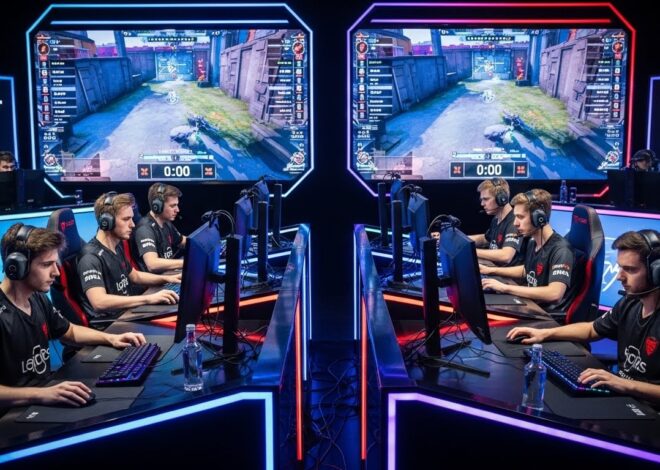
The Digital Arena: How Esports is Redefining Competition and Culture
In the past decade, esports has transformed from a niche pastime into a global phenomenon, captivating millions of fans and redefining the very notion of competitive sports. No longer limited to casual gaming, esports now encompasses professional leagues, international tournaments, and thriving online communities. This digital revolution has reshaped entertainment, culture, and even career opportunities. In this blog post, we’ll explore the rise of esports, its impact on society, and what the future holds for this dynamic industry.
Understanding Esports: Beyond the Screen
Esports, short for electronic sports, refers to competitive video gaming where individuals or teams compete in structured tournaments. Popular genres include multiplayer online battle arenas, first-person shooters, real-time strategy games, and sports simulations. Unlike traditional sports, esports exists entirely in digital environments, yet it requires discipline, strategy, and peak performance. Professional players dedicate hours to practice, develop intricate strategies, and analyze opponents’ moves, making esports a serious and highly competitive field.
The Rise of Esports: From Hobby to Mainstream
Esports’ rapid growth has been astonishing. Once a pastime limited to small gaming communities, esports now draws millions of viewers worldwide. Events such as the League of Legends World Championship, Fortnite World Cup, and Dota 2’s The International attract audiences comparable to traditional sports finals. Streaming platforms have been a major catalyst, providing live broadcasts, interactive fan experiences, and global accessibility. Esports has transitioned from a niche hobby to a mainstream cultural phenomenon, bridging generations and continents.
Professional Esports: Careers and Opportunities
Esports offers lucrative career opportunities beyond playing games. Professional players earn substantial salaries, tournament winnings, and sponsorship deals. However, careers in esports extend beyond competing. Coaches, analysts, team managers, content creators, event organizers, and broadcasters all contribute to the ecosystem. Some universities even offer esports scholarships, recognizing the dedication and skill required to excel at competitive gaming. For many, esports represents a legitimate career path, transforming a passion into a professional pursuit.
Cognitive and Mental Benefits of Esports
Esports is not only entertaining; it provides cognitive and mental benefits as well. Competitive gaming requires critical thinking, rapid decision-making, problem-solving, and strategic planning. Players must adapt to changing situations, anticipate opponents’ actions, and make split-second judgments. These skills translate into real-life scenarios, enhancing analytical thinking and multitasking abilities. Additionally, esports fosters perseverance and resilience, teaching players to handle setbacks and continually refine their skills.
Social Connectivity in Esports
One of esports’ most powerful aspects is its ability to build social connections. Players often form teams or communities, fostering collaboration, communication, and teamwork. Online forums, streaming platforms, and social media enable fans to interact with players and each other, creating vibrant virtual communities. Events, whether online or in-person, encourage socialization and networking, providing opportunities for friendships and mentorship. Esports thrives on the sense of belonging it creates, connecting people from diverse cultures and backgrounds.
Esports and Technology
Technology is the backbone of esports. High-performance computers, consoles, gaming peripherals, and reliable internet connectivity are essential for competitive play. Streaming platforms and broadcasting technology allow millions of fans to watch live matches in real-time, while analytics software helps players track performance and optimize strategies. Advances in virtual reality and augmented reality are also opening new avenues for immersive gameplay, pushing the boundaries of what esports can offer. Technology ensures that esports continues to evolve, keeping both players and audiences engaged.
The Cultural Impact of Esports
Esports has grown beyond gaming into a cultural phenomenon. Professional players are celebrated as celebrities, inspiring fans and shaping trends in fashion, media, and entertainment. Cosplay, fan art, and music events tied to esports tournaments have integrated gaming culture into broader society. Moreover, esports challenges stereotypes about gaming, showcasing skill, strategy, and professionalism. It has become a platform for creativity, expression, and cultural exchange, bridging the gap between digital entertainment and real-world culture.
Economic Impact of Esports
The esports industry has significant economic influence. Revenue streams include tournament prizes, sponsorships, merchandise, media rights, and streaming subscriptions. Large-scale tournaments attract global audiences, drawing investments from major corporations and stimulating local economies through event hosting. Even community-level events contribute to economic activity, encouraging business growth and infrastructure development. Esports demonstrates that digital competition is not only a form of entertainment but also a major contributor to economic innovation and employment.
Challenges Facing Esports
Despite its rapid growth, esports faces several challenges. Player burnout, mental health concerns, and repetitive strain injuries are common among professionals. Gender disparity and unequal representation remain issues, while accessibility barriers limit participation for some players. Additionally, the lack of standardized regulations across games and tournaments can create inconsistencies and ethical dilemmas. Addressing these challenges is essential to ensure sustainable growth and maintain the integrity of competitive gaming.
Esports and Education
Educational institutions are increasingly recognizing the value of esports. Schools and universities are integrating esports programs to teach teamwork, leadership, strategic thinking, and technology skills. Competitive gaming can enhance student engagement, motivation, and academic performance. Academic courses in esports management, game design, and digital broadcasting prepare students for industry careers, blending creativity and practical skill. Through education, esports helps cultivate the next generation of players, managers, and innovators.
Esports as a Tool for Global Connectivity
Esports transcends borders, connecting players and fans from around the world. Online competitions allow international participation without the logistical challenges of traditional sports. These interactions foster cultural exchange, collaboration, and mutual understanding. By bridging geographic divides, esports promotes global connectivity and inclusivity, creating a worldwide community united by shared passion and competition.
The Future of Esports
The future of esports is bright and full of potential. Emerging technologies such as virtual reality, augmented reality, and artificial intelligence promise to enhance gameplay and spectator experiences. New markets are likely to expand esports’ reach, attracting fresh talent and audiences. Focus on inclusivity, sustainability, and ethical governance will shape the industry’s development, ensuring opportunities for all participants. As digital entertainment continues to grow, esports will remain at the forefront of innovation, competition, and culture.
Conclusion: More Than a Game
Esports is far more than digital entertainment; it is a dynamic cultural, economic, and social force. It combines strategy, skill, technology, and community to create experiences that rival traditional sports in intensity and engagement. From fostering cognitive development and teamwork to offering career opportunities and shaping global culture, esports has proven its significance on multiple levels. As it continues to grow, esports will redefine what it means to compete, connect, and thrive in a digital age, proving that the arena of the future is not always physical—it is virtual, global, and evolving.