Leveling Up: The Explosive Growth of Esports
Esports has emerged as one of the most exciting and rapidly growing forms of entertainment in the digital age. What started as small competitive gaming events has transformed into a global phenomenon, attracting millions of fans, professional players, and major investments. This blog explores the world of esports, its impact, and the reasons behind its unprecedented rise.
The Rise of Competitive Gaming
Esports has come a long way from casual gaming sessions and local tournaments. With the advancement of high-speed internet, powerful gaming hardware, and streaming platforms, competitive gaming has reached a global audience. Today, professional esports tournaments are held in massive arenas, drawing crowds comparable to traditional sports events. This transformation reflects not only technological progress but also the cultural shift towards digital entertainment.
Popular Esports Genres
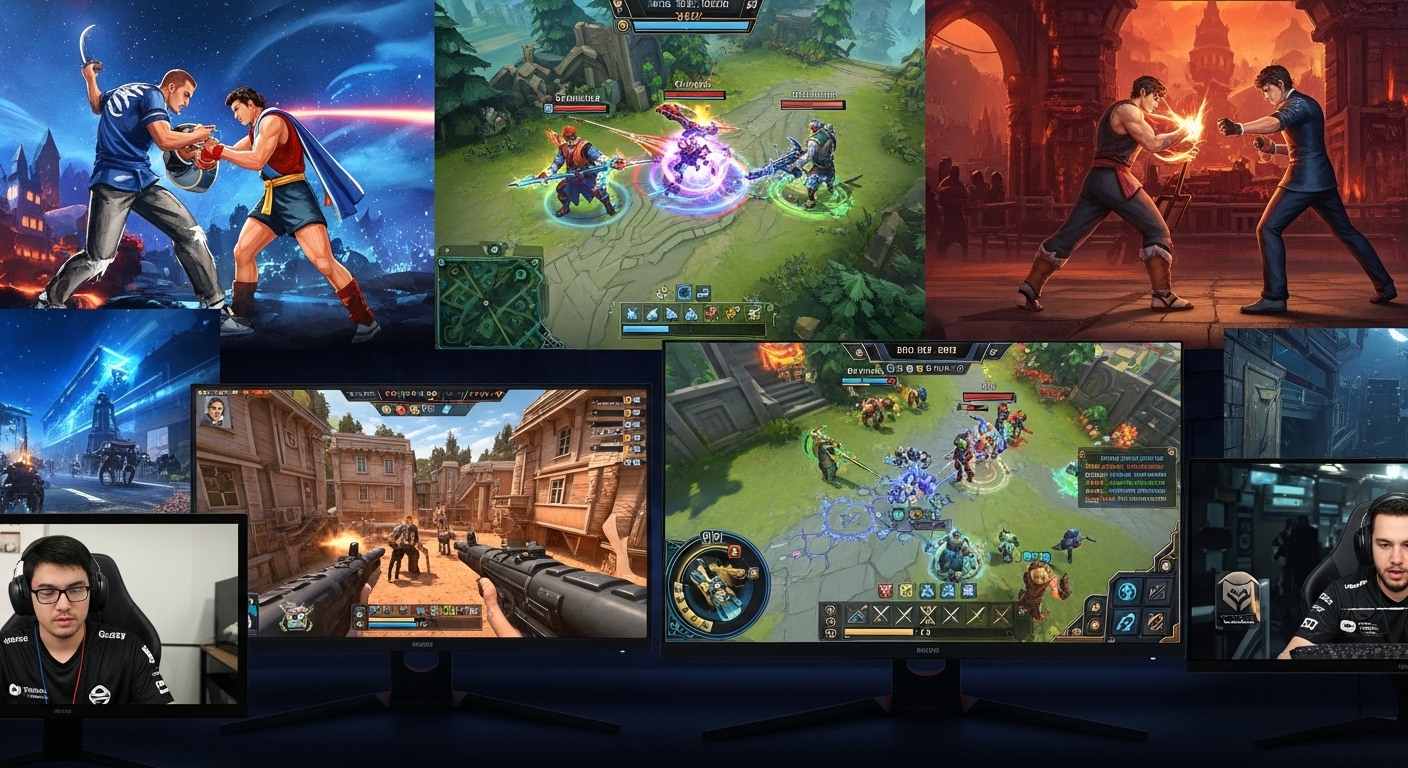
Esports encompasses a wide variety of game types, each attracting different types of players and fans:
- Multiplayer Online Battle Arenas (MOBAs): Games like League of Legends and Dota 2 emphasize strategy, coordination, and quick thinking.
- First-Person Shooters (FPS): Titles such as Counter-Strike and Call of Duty challenge reflexes, accuracy, and tactical decision-making.
- Battle Royale Games: Fortnite and PUBG combine survival, strategy, and adaptability, making every match unique.
- Sports Simulation Games: FIFA and NBA 2K bring real-world sports to virtual arenas, allowing players to compete digitally.
Each genre has its own competitive ecosystem, rules, and community, contributing to the diversity and growth of esports.
Esports as a Social Platform
Esports is not just about playing games; it is a social phenomenon. Online communities, live streams, and forums allow fans and players to connect worldwide. Esports events bring people together, creating shared experiences similar to traditional sports. Additionally, esports has opened new career opportunities, from professional gaming and coaching to content creation, event management, and game development.
Skills Gained Through Esports
Competitive gaming requires more than just quick reflexes. Players develop critical thinking, strategic planning, teamwork, and communication skills. Leadership and adaptability are crucial in team-based games, while mental endurance and focus are necessary for high-pressure tournaments. Esports teaches discipline, perseverance, and problem-solving, proving that gaming can also foster personal and professional growth.
The Future of Esports
The future of esports is bright and full of potential. Advancements in virtual reality, augmented reality, and cloud gaming are set to make esports more immersive and accessible. Mobile esports is growing rapidly, allowing more players to participate from anywhere. Educational institutions and organizations are also recognizing esports, offering scholarships and professional pathways. With its increasing professionalism and global reach, esports is poised to become a lasting part of entertainment and sports culture.
Conclusion
Esports has evolved into a powerful and dynamic form of entertainment, blending technology, competition, and community. It offers exciting opportunities for players, fans, and industries alike, while redefining the idea of sports in the digital era. As esports continues to grow, it will not only shape the future of gaming but also redefine how people connect, compete, and engage with digital entertainment.