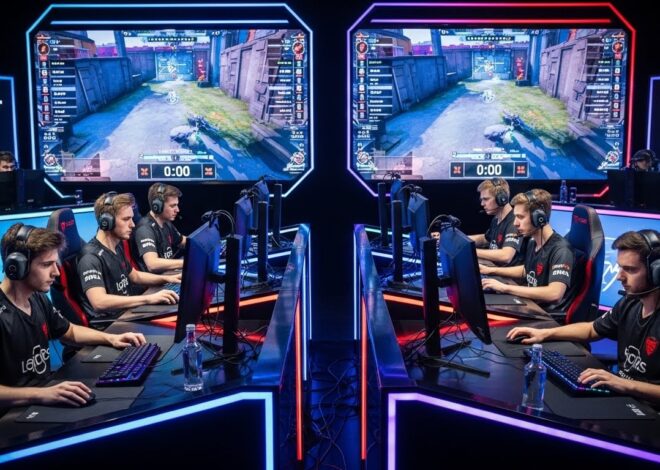
Esports Unveiled: The Evolution, Impact, and Future of Competitive Gaming
Introduction to Esports: A Digital Revolution in Competition
In the last two decades, esports has transformed from a niche pastime into a global competitive phenomenon. What started as casual gaming competitions among friends has evolved into an industry that rivals traditional sports in viewership, revenue, and cultural significance. Esports now encompasses professional players, large-scale tournaments, massive online audiences, and intricate business ecosystems.
This blog post explores the journey of esports, from its humble origins to its current status as a multi-billion-dollar industry. We will examine the games that define it, the structure of competitions, the players and teams, challenges faced by the industry, and what the future may hold for esports worldwide.
The Origins of Competitive Gaming: Humble Beginnings
The roots of esports trace back to the 1970s and 1980s when video games like Pong and Space Invaders became popular. Early competitions took place in arcades and small local gatherings, often with simple prizes or bragging rights. These events were grassroots and informal, usually limited to local communities.
One of the earliest documented gaming competitions was held in 1980 at Stanford University for the game Spacewar. However, esports truly began to gain momentum in the 1990s with the rise of networked gaming and titles such as Doom, Quake, and Warcraft. These games introduced multiplayer functionality over LAN (Local Area Network) and eventually over the internet, enabling players from different locations to compete against each other.
The late 1990s saw the formation of some of the first organized esports tournaments. The Cyberathlete Professional League (CPL) was established in 1997 and hosted some of the earliest large-scale competitions. Meanwhile, games like StarCraft took esports to new heights, especially in South Korea, where professional gaming gained national recognition.
Defining Esports: What Makes a Game Competitive?
Not all video games become esports. A game must meet certain criteria to be viable as a competitive esport:
- Skill-Based Gameplay
The game should reward player skill over chance. The outcome should be determined by player decisions, reflexes, strategy, and coordination. - Spectator Appeal
Esports needs an audience. Games that are exciting to watch, have clear objectives, and are easy to understand tend to attract viewers. - Balanced and Fair Competition
Competitive integrity is critical. Games require balanced mechanics and consistent rules to ensure fair play. - Sustainable and Scalable Infrastructure
To support professional play, games need stable online infrastructure, matchmaking systems, and tools for tournament organization. - Community and Developer Support
Strong community involvement and developer commitment to competitive modes, updates, and esports initiatives fuel growth.
Titles that meet these requirements tend to dominate the esports landscape, but each genre offers a unique experience for players and fans alike.
Popular Esports Genres and Their Flagship Games
Esports spans various game genres, each with distinct gameplay, audiences, and competitive structures. Below are some of the most prominent genres and their key titles:
Multiplayer Online Battle Arena (MOBA)
MOBAs are team-based games where players control individual characters with unique abilities, working together to destroy the opposing team’s base. Strategy, teamwork, and individual skill all play crucial roles.
- League of Legends is the most popular MOBA worldwide, boasting one of the largest esports ecosystems. Its annual World Championship draws millions of viewers and offers multi-million-dollar prize pools.
- Dota 2 is renowned for its complexity and massive prize pools, especially through its crowdfunded event called The International.
First-Person Shooters (FPS)
FPS games test players’ aiming accuracy, reflexes, tactical thinking, and map knowledge. Most FPS esports involve teams competing to complete objectives such as bomb defusal or territory control.
- Counter-Strike: Global Offensive has been a staple of FPS esports for over a decade, with a highly competitive scene and numerous prestigious tournaments.
- Valorant, a newer title, combines tactical shooting with unique agent abilities, adding strategic depth.
- Overwatch blends hero-based gameplay with fast-paced team combat and role-based strategies.
Battle Royale
Battle Royale games feature large numbers of players fighting in a shrinking map to be the last person or team standing. These games combine survival, exploration, and combat elements.
- Fortnite popularized the genre and integrates building mechanics that add an extra layer of strategy.
- Apex Legends is known for its fast-paced gameplay and character-based team dynamics.
Real-Time Strategy (RTS)
RTS games require players to manage resources, build units, and command armies in real time.
- StarCraft II remains one of the most respected RTS esports titles, especially in South Korea.
- Warcraft III helped establish early esports scenes and still has a dedicated competitive community.
Fighting Games
One-on-one combat games emphasizing reflexes, timing, and combos.
- Street Fighter and Super Smash Bros. series remain iconic within the fighting game community.
Sports Simulations
Video game adaptations of traditional sports that offer competitive online play.
- FIFA and NBA 2K hold large esports tournaments that mirror real-world sports structures.
The Structure of Esports Competitions
Esports competitions come in many shapes and sizes, but most share common structures:
Online Qualifiers and Amateur Tournaments
Most professional players and teams start their journey through online qualifiers or amateur events. These allow aspiring competitors to showcase their skills and earn invitations to higher-level contests.
Regional Leagues and Circuits
Organizers often host regional leagues where teams compete over a season. These leagues feed into larger events and allow players to develop their skills and fan base.
Major Championships and World Events
The pinnacle of esports competition is the global championship event, which gathers the best teams or players from around the world. These events often have large prize pools, elaborate production, and extensive media coverage.
Invitational and Franchise Leagues
Some esports leagues operate on a franchise model where teams buy spots to participate in a closed league system, similar to traditional sports leagues. This approach provides stability and helps cultivate long-term fan engagement.
The Players Behind the Screens: Who Are Esports Athletes?
Esports athletes are highly skilled professionals who dedicate hours daily to training, strategizing, and improving their craft. Like traditional sports athletes, esports players often face intense pressure and rigorous schedules.
Training Regimens
Training often includes mechanical skill drills, team scrimmages, strategy discussions, and review of past performances. Many players also focus on physical fitness and mental health to maintain peak performance.
Lifestyle and Challenges
The life of an esports athlete involves extensive travel, participation in tournaments, content creation, and fan interaction. Balancing these activities with personal well-being is a growing concern in the industry.
Longevity and Career Paths
Most professional esports careers are relatively short due to the demanding nature of the games and the rapid evolution of the meta. Many players transition into coaching, streaming, broadcasting, or management roles after retirement.
Teams and Organizations: The Business of Esports
Esports teams are more than just a collection of players. They are complex organizations that manage player contracts, marketing, sponsorships, training facilities, and fan engagement.
Building a Brand
Successful teams invest heavily in branding and content creation to build loyal fan bases. Social media presence, merchandise, and community engagement are vital components.
Sponsorship and Revenue
Sponsorship deals with tech companies, apparel brands, energy drinks, and other consumer products provide significant revenue streams. Teams also earn money from tournament winnings, merchandise sales, and streaming content.
The Role of Management
Professional teams employ managers, coaches, analysts, and support staff to maximize player performance and business growth.
The Role of Streaming and Broadcasting in Esports Growth
The rise of streaming platforms has been instrumental in the explosive growth of esports. Unlike traditional sports that rely on television broadcasts, esports is predominantly consumed through live streaming on platforms such as Twitch, YouTube Gaming, and others.
Interactive Viewing Experience
Viewers can interact with streamers via chat, donate, participate in polls, and engage in real-time. This level of interaction enhances community building and viewer engagement.
Content Beyond Competitions
Many esports players and teams create content beyond official matches, including practice streams, behind-the-scenes videos, interviews, and tutorials, keeping fans engaged year-round.
The Influence of Casters and Analysts
Commentators and analysts play a critical role in making esports accessible and entertaining, providing expert insights and play-by-play narration.
Challenges Facing the Esports Industry
Despite its success, esports faces numerous challenges that threaten its sustainability and growth.
Player Burnout and Mental Health
Intense practice schedules, pressure to perform, and constant travel can lead to burnout. Organizations are increasingly recognizing the need for mental health support.
Regulatory and Legal Issues
Issues around player contracts, prize money distribution, gambling regulations, and intellectual property rights create complexities.
Integrity and Cheating
Maintaining competitive integrity is crucial. Cheating, match-fixing, and doping scandals can damage credibility.
Regional Disparities
Infrastructure and investment vary significantly between regions, limiting opportunities in some parts of the world.
Publisher Dependence
Many esports scenes depend heavily on game publishers, whose decisions can drastically affect the ecosystem.
The Future of Esports: Trends and Predictions
Esports is poised for continued growth and innovation. Some key trends shaping the future include:
Technological Innovations
Virtual reality, augmented reality, and enhanced streaming technologies promise new ways to experience esports.
Increased Mainstream Acceptance
Greater collaboration with traditional sports leagues and media will boost esports visibility and legitimacy.
Expansion into New Markets
Regions like Africa, South America, and Southeast Asia are expected to grow rapidly with improving infrastructure.
Sustainable Business Models
Diverse revenue streams and improved regulation will help stabilize the industry.
Education and Career Development
Esports scholarships, academic programs, and professional training will create more structured career paths.
Conclusion: Esports as a Cultural and Competitive Force
Esports represents a unique blend of competition, entertainment, and community rooted in digital culture. It has reshaped how people interact with games, sports, and media, bridging gaps between continents and generations.
From its grassroots origins to stadium-filling global events, esports continues to push boundaries and captivate audiences worldwide. As technology evolves and communities grow, esports will undoubtedly remain a defining element of the modern entertainment landscape.
Whether you are a player, fan, or industry professional, understanding the multifaceted nature of esports is essential to appreciating its profound impact and exciting future.