eSports: The Digital Age of Competitive Gaming
eSports, or electronic sports, has undergone an astonishing transformation over the past two decades. What was once considered a niche activity for tech enthusiasts and hardcore gamers has now blossomed into a global entertainment powerhouse, drawing millions of viewers, massive sponsorships, and professional players earning lucrative salaries. But what exactly is eSports, and why has it captivated such a large audience? In this post, we will delve into the rise of eSports, its various components, and its impact on the gaming and entertainment industries.
What is eSports?
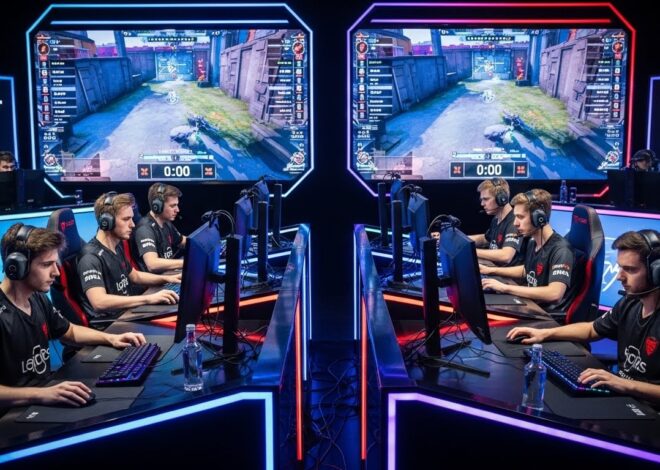
At its core, eSports refers to competitive video gaming. It involves individuals or teams competing against each other in various video games, ranging from fast-paced first-person shooters to complex multiplayer online battle arenas (MOBAs). These competitions are often organized into tournaments or leagues, with players vying for prestigious titles, sponsorships, and substantial cash prizes.
What sets eSports apart from casual gaming is the professional level of play. Competitive gamers, much like athletes in traditional sports, train for hours, refine their skills, study their opponents, and participate in tournaments that are often broadcast live to global audiences. This competitive edge and the level of dedication required have turned gaming into a serious pursuit, where success means fame, fortune, and a place in the digital hall of fame.
The Growing Popularity of eSports
eSports has grown exponentially over the last decade, with its rise fueled by a combination of technology, social media, and the ever-expanding gaming culture. Platforms like Twitch, YouTube Gaming, and Facebook Gaming have provided streaming services where millions of people can watch live gaming tournaments and individual streams of players. These platforms have given players a direct connection with their fanbase, allowing for real-time interaction, sponsorship deals, and community building.
Major eSports tournaments like The International (Dota 2), League of Legends World Championship, and Overwatch League now attract millions of viewers, with prize pools often reaching into the tens of millions of dollars. Some events have even begun to rival traditional sports in viewership, especially with younger audiences who are drawn to the fast-paced, digital nature of eSports.
What makes eSports so captivating is not just the competition, but also the personalities behind the players. Many top eSports stars, like Faker (League of Legends) and s1mple (Counter-Strike: Global Offensive), have become household names within the gaming community. Their skill, dedication, and unique personas have earned them legions of followers, helping eSports develop a cultural identity of its own.
Key Elements of eSports
1. The Games
The backbone of eSports lies in the games themselves. There are several genres that dominate the eSports scene, each offering a unique type of competition. Some of the most popular genres include:
- MOBA (Multiplayer Online Battle Arena): Games like League of Legends and Dota 2 are at the forefront of the eSports industry. Players control characters with unique abilities, working with teammates to destroy an enemy team’s base while defending their own. These games require deep strategic thinking, teamwork, and quick reflexes.
- FPS (First-Person Shooter): Counter-Strike: Global Offensive and Overwatch are prime examples of FPS games in eSports. Players engage in combat, either working as a team to complete objectives or eliminating the other team. These games emphasize aim precision, map knowledge, and coordination.
- Fighting Games: Street Fighter, Tekken, and Super Smash Bros. are the staples of competitive fighting games. These games are known for their fast-paced one-on-one action, where players battle it out using various characters with distinct move sets and combos.
- Battle Royale: With the rise of games like Fortnite and PUBG, the battle royale genre has found its place in eSports. These games drop players into a massive map where they must fight to be the last one standing, combining survival instincts with combat skills.
2. Professional Players and Teams
Just like in traditional sports, eSports involves professional players and teams. Top-tier players dedicate their lives to perfecting their craft. Their schedules are filled with hours of practice, reviewing game footage, strategizing with teammates, and maintaining physical and mental endurance.
In eSports, teams often represent major organizations, such as Cloud9, Team Liquid, or Fnatic. These organizations recruit and manage players, provide coaching, and handle sponsorships and media exposure. Some teams even have support staff like analysts, managers, and psychologists to help optimize player performance.
The level of professionalism required in eSports has led to some players achieving celebrity status, with millions of followers on social media platforms and endorsements from major brands. In some cases, professional gamers make more money from sponsorships and streaming than they do from tournament prize money.
3. Tournaments and Leagues
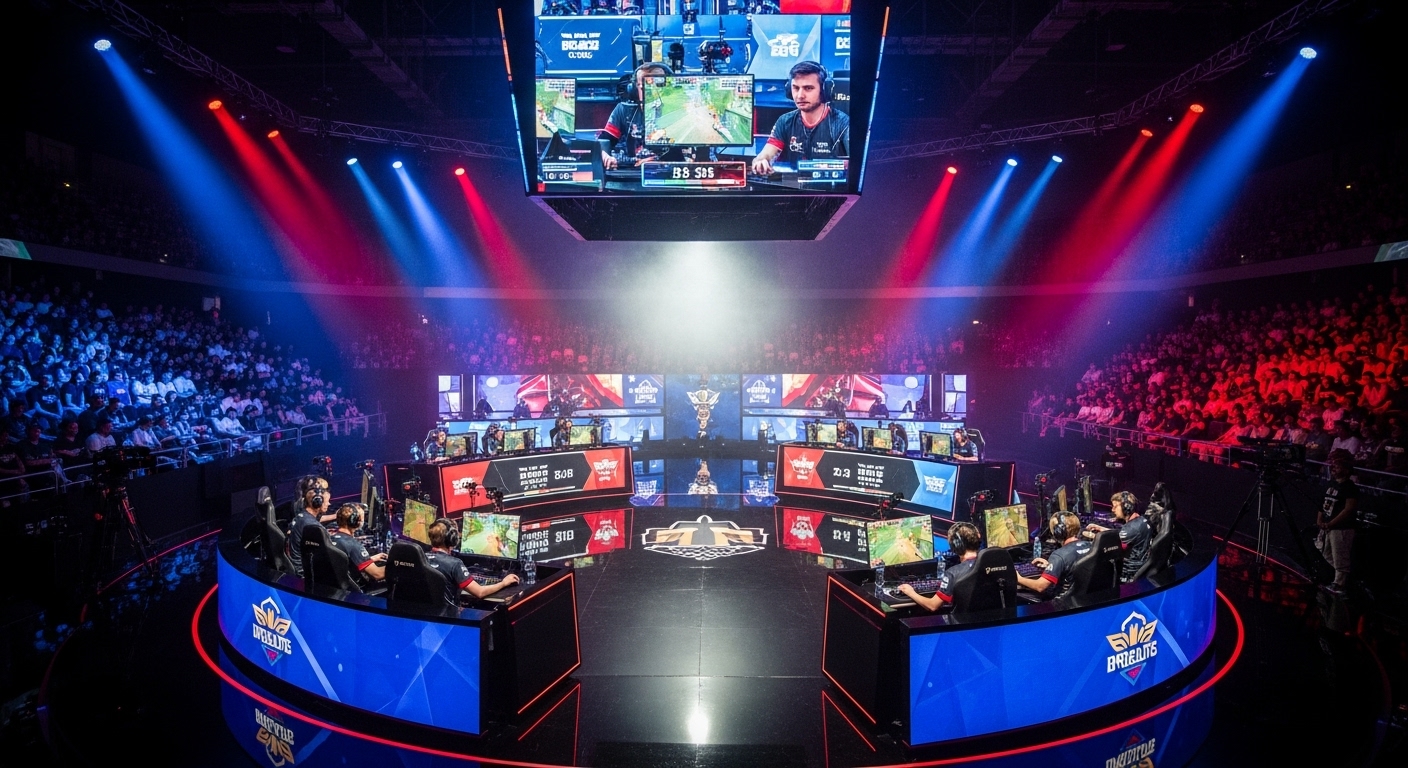
One of the most exciting aspects of eSports is its organized tournaments and leagues, which take place year-round across a variety of games. These events are often held in large arenas with tens of thousands of fans in attendance, while millions more tune in online to watch the action unfold live.
The International is one of the most prestigious tournaments in eSports, attracting top-tier players from around the globe to compete for a prize pool that has reached over $40 million. League of Legends World Championship is another major event, with teams from every region battling for the title of world champion.
In addition to these iconic tournaments, eSports has its own league structures, such as the Overwatch League or Call of Duty League. These leagues feature a regular season, playoffs, and finals, similar to traditional sports leagues like the NBA or NFL.
The Impact of eSports on Gaming and Entertainment
eSports has had a profound impact not only on the gaming industry but on entertainment as a whole. Here are some ways it has transformed the landscape:
1. Economic Boom
The economic impact of eSports is undeniable. According to recent reports, the eSports industry generates billions in revenue annually, with income coming from sponsorships, media rights, advertising, ticket sales, and merchandise. Major companies, including Coca-Cola, Intel, and Red Bull, have all invested heavily in eSports, recognizing the potential of the audience and the lucrative nature of the industry.
The booming industry has also opened up a wide array of career opportunities. Beyond professional players, eSports provides jobs for coaches, analysts, casters, event organizers, content creators, and even social media managers. As the industry grows, these opportunities will continue to expand, creating a sustainable and thriving ecosystem.
2. Cultural Influence
eSports has become a cultural phenomenon, especially among younger generations. Its rise has helped bridge the gap between gaming and mainstream entertainment, turning professional gamers into stars and creating a shared community of fans. Streaming platforms like Twitch have allowed fans to interact with their favorite players in real-time, giving rise to new forms of entertainment and content creation.
Esports is also influencing the way traditional sports are presented. Many sports teams, especially in football and basketball, are launching their own eSports divisions, while broadcasters are beginning to treat eSports events with the same level of professionalism as traditional sports broadcasts. This cross-industry collaboration highlights the increasing legitimacy and importance of eSports in the modern entertainment landscape.
3. Academic Recognition
In recent years, universities and colleges have also embraced eSports, offering scholarships to top players and even developing eSports programs. Many schools now have dedicated eSports arenas and teams, and competitions between universities have grown in popularity. This academic recognition has helped eSports evolve from a casual activity to an established career path for young gamers.
The Future of eSports
The future of eSports looks incredibly bright. With the growing number of viewers, increasing sponsorships, and the continued expansion of online streaming platforms, eSports is poised to become even more mainstream in the coming years. Here are a few key trends to watch for:
1. Mainstream Acceptance
As eSports continues to attract large audiences, we may see it become as mainstream as traditional sports. With major sports leagues and TV networks becoming more involved, it’s not out of the question to imagine eSports in the Olympics or as part of global sporting events in the future.
2. Virtual Reality and Augmented Reality Integration
The integration of VR and AR into gaming has the potential to revolutionize eSports. Imagine watching a tournament from a player’s perspective or having the ability to interact with the game world in real-time using VR headsets. This immersive experience could take eSports viewing to a whole new level.
3. Global Expansion
While eSports is already global, its reach is expected to expand even further. Countries in Africa, the Middle East, and Asia are beginning to embrace eSports, and as internet infrastructure improves in these regions, they will become increasingly important hubs for competition and fan engagement.
Conclusion: eSports as the Future of Competitive Entertainment
From humble beginnings to a global entertainment powerhouse, eSports has shown that digital gaming has a place in the future of competitive sports and entertainment. The combination of intense competition, diverse games, professional players, and a passionate fanbase makes eSports a unique and exciting industry to watch. As technology advances and the global gaming community continues to grow, eSports will undoubtedly continue to break boundaries and redefine what it means to be a professional athlete in the digital age.
The rise of eSports is not just a trend—it’s a revolution in how we think about sports, entertainment, and the future of gaming. Whether you’re a casual fan or a die-hard enthusiast, there’s no denying that eSports is here to stay and will continue to shape the landscape of digital entertainment for years to come.