Esports: The Competitive Digital Revolution Taking Over the Globe
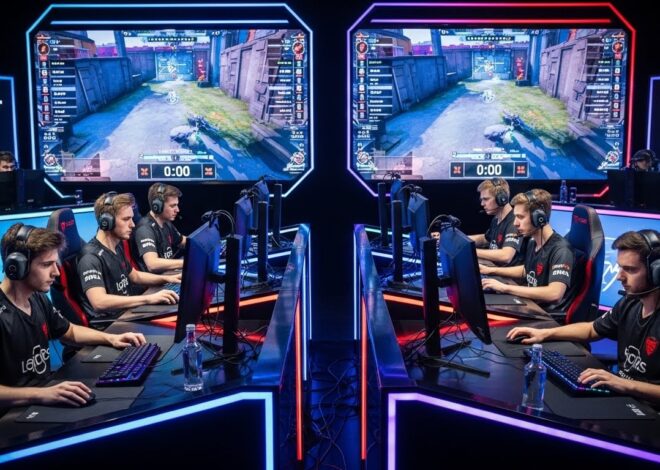
In recent years, esports has evolved from a niche subculture to a global entertainment powerhouse. Competitive gaming is no longer just about casual tournaments between friends; it has become a serious industry with professional players, massive sponsorships, and a growing fanbase that rivals traditional sports. This shift is more than just a trend—esports is now a fundamental part of the entertainment landscape, and its influence is only expected to expand in the coming years.
The Birth of Competitive Gaming
The concept of competitive gaming has existed since the early days of video games. In the 1970s and ’80s, gaming arcades hosted friendly competitions with games like Pong and Space Invaders. However, it wasn’t until the 1990s that gaming competitions started to take on a more structured form, with titles like Doom and Quake laying the foundation for the esports industry we know today. These early tournaments were small, often regional, and involved little more than bragging rights for the winners.
Despite its modest beginnings, competitive gaming began to attract more attention in the early 2000s. Games like StarCraft became central to the burgeoning esports scene, especially in South Korea, where gaming culture began to flourish. The rise of dedicated gaming tournaments like ESL (Electronic Sports League) and Major League Gaming (MLG) further solidified esports as a serious competitive pursuit.
From Hobby to Profession
As the 2000s progressed, esports grew from a hobby to a professional industry. The introduction of online gaming platforms, particularly games like Warcraft III, League of Legends, and Counter-Strike, opened the door for global tournaments with substantial prize pools. Players could compete from anywhere in the world, and the rise of platforms like Twitch allowed fans to watch these competitions live.
Esports began to professionalize in a way that mimicked traditional sports. Major teams were formed, coaches were hired, and organizations started investing in training facilities. For the first time, players could earn a living wage through sponsorships, tournament winnings, and streaming revenue. At the same time, the growing infrastructure made it easier for viewers to follow the action, leading to a booming esports fanbase.
The Role of Streaming in Esports’ Explosion
Arguably, one of the most significant drivers of esports’ growth has been the rise of streaming platforms. Twitch, in particular, played a monumental role in bringing esports to the mainstream. In 2011, Twitch became the go-to platform for live streaming competitive gaming, allowing viewers to watch top-tier players in real-time.
Streaming not only gave fans access to high-level gameplay but also enabled the creation of esports personalities. Players, analysts, and commentators could build their own personal brands, attracting sponsorships and becoming influencers in their own right. For fans, watching live streams on Twitch wasn’t just about the competition; it was about the community, interaction, and entertainment that came with it. The ability to chat, donate, and interact with their favorite players made esports viewing an immersive experience.
Global Appeal and Cultural Integration
Esports’ appeal is truly global. While games like StarCraft and League of Legends initially gained traction in specific regions (South Korea, for example), competitive gaming has since spread across the globe. From Europe to North America, and even to Southeast Asia and Latin America, esports has become an integral part of many cultures.
The growth of mobile gaming has also played a crucial role in expanding esports’ reach. Games like PUBG Mobile and Free Fire have introduced competitive gaming to millions of players in countries where console gaming had previously been less popular. The accessibility of mobile esports has made it easier for people from all walks of life to participate in the global gaming community.
What’s even more interesting is how esports is blending with traditional sports. Many professional sports organizations are beginning to recognize the potential of esports, leading to partnerships and even the creation of esports leagues alongside traditional sports leagues. For example, organizations like the NBA and NFL have embraced esports as part of their business strategy, offering a unique crossover between physical and digital sports.
The Business of Esports: An Industry in Growth
The financial success of esports is staggering. As of recent estimates, the esports industry is worth over a billion dollars, and its growth is expected to continue. Revenue streams come from a variety of sources, including sponsorships, media rights, merchandise, and ticket sales for live events. Major corporations, including Nike, Coca-Cola, and Intel, have all jumped on the esports bandwagon, investing heavily in sponsorships and partnerships with esports teams and tournaments.
The rise of esports betting is another indicator of the industry’s financial muscle. Platforms that allow fans to bet on esports tournaments are generating millions in revenue, further integrating competitive gaming into the world of traditional sports betting.
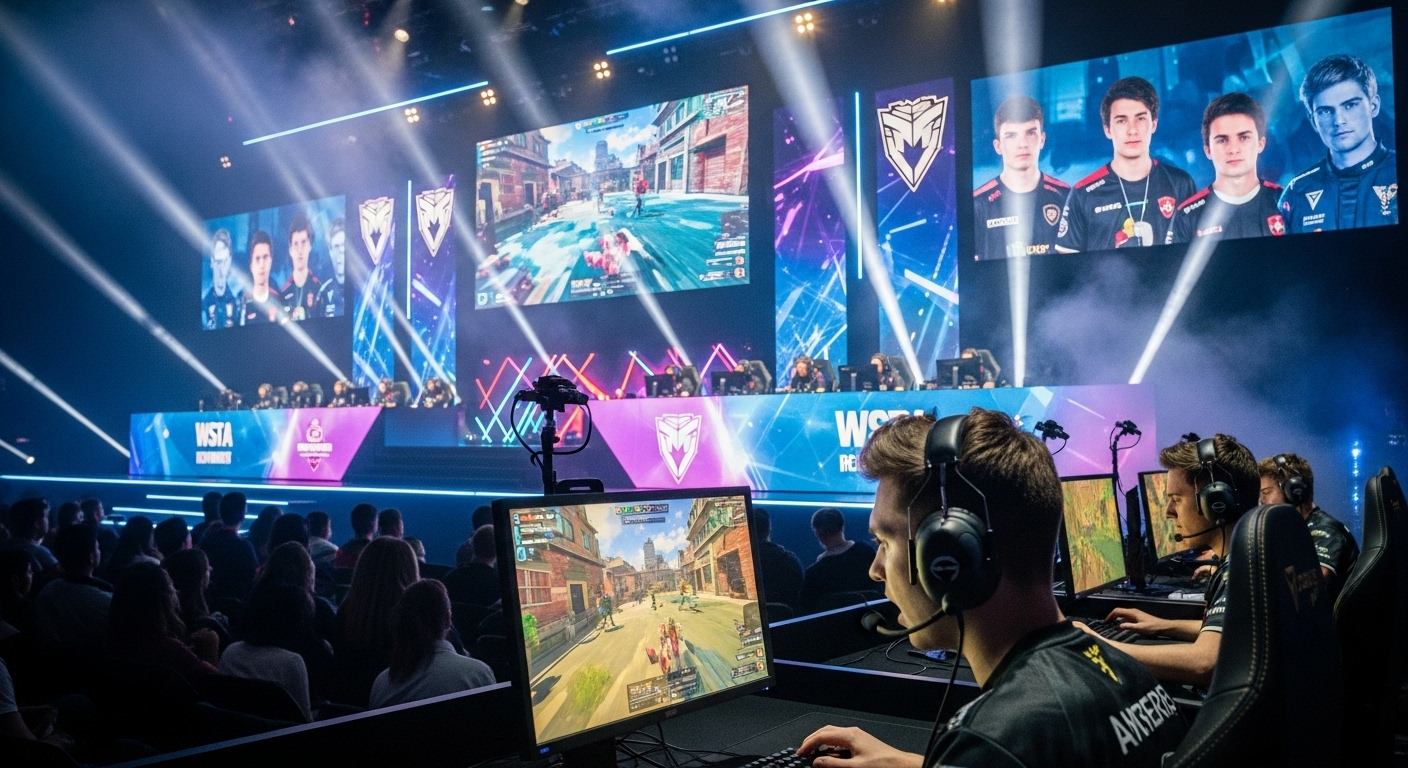
Moreover, the development of esports-specific venues and arenas, such as the Esports Arena in Las Vegas, highlights the growing legitimacy of esports as a mainstream form of entertainment. These venues not only host tournaments but also provide a space for fans to interact with one another and experience esports in a live, physical setting.
The Future of Esports: Challenges and Opportunities
While the esports industry is booming, it faces its own set of challenges moving forward. One of the main hurdles is sustainability. As the industry grows, there is a need for solid financial structures to support teams, players, and organizations. Additionally, the professionalization of esports has led to increasing pressures on players, especially as they are expected to train for long hours and maintain their performance.
Another concern is the issue of player health and burnout. Many professional gamers start their careers at a young age, and the intense training schedules can take a toll on their mental and physical well-being. As the industry matures, finding ways to protect the well-being of its players will be critical to ensuring the long-term success of esports.
On the flip side, the future of esports is filled with exciting opportunities. Advances in technology, particularly virtual reality (VR) and augmented reality (AR), could revolutionize the way esports competitions are held. These technologies could offer more immersive and interactive experiences for both players and spectators.
Furthermore, the potential for esports to enter the Olympics remains a hot topic. While esports has yet to make its debut at the Olympic Games, discussions around its inclusion have gained traction in recent years. The recognition of esports as an official Olympic sport would elevate its status and provide even greater visibility to the growing industry.
Conclusion
Esports has evolved from humble beginnings to become a global phenomenon that continues to reshape the entertainment landscape. It has transformed gaming from a casual pastime to a professional career path and is proving that competitive digital sports have a place in the mainstream. With continued growth, technological advancements, and an increasingly diverse fanbase, esports is well-positioned to dominate the entertainment world in the years to come. Whether you’re a gamer or simply a fan of competition, esports is here to stay—and it’s only getting bigger.