Esports Revolution: The Rise of Competitive Gaming in the Modern Era
Esports has emerged as one of the most dynamic and rapidly growing industries in the world of entertainment. What once began as casual gaming competitions among friends has evolved into a global phenomenon attracting millions of viewers, professional players, and corporate sponsorships. With leagues, tournaments, and collegiate programs, esports has become a legitimate career path and a cultural force reshaping perceptions of gaming. In this blog, we will explore the evolution, impact, and future of esports in detail.
The Origins of Esports
The roots of esports can be traced back to the early 1970s and 1980s when competitive gaming started gaining attention through arcade tournaments and local competitions. Classic games like Space Invaders, Pac-Man, and later Street Fighter and Super Mario began creating communities of players eager to test their skills against others. The advent of personal computers and online gaming in the 1990s further fueled competitive play, giving rise to games such as StarCraft and Counter-Strike.
These early competitions were modest compared to today’s massive tournaments, yet they laid the groundwork for a structured competitive gaming ecosystem. Players started forming teams, tournaments began offering prize pools, and gaming communities became increasingly interconnected through online forums and early internet platforms.
The Growth of Esports as an Industry
The 2000s and 2010s marked a significant turning point for esports. Advancements in technology, streaming platforms, and internet accessibility allowed players to compete globally and fans to watch live events in real time. Platforms dedicated to live streaming created an entirely new form of entertainment, bridging the gap between players and audiences. Major games like League of Legends, Dota 2, and Fortnite quickly became staples of competitive gaming due to their engaging mechanics and global appeal.
The growth of esports as an industry has been astounding. Professional leagues now rival traditional sports in viewership numbers and sponsorship revenue. Corporate sponsors, including tech companies, beverage brands, and even mainstream media outlets, invest heavily in esports teams and tournaments. This commercial growth has also led to the professionalization of players, with many training full-time, following strict diets, and working with coaches and psychologists to optimize performance.
Popular Esports Games
Esports spans a wide range of genres, each with its own competitive community and professional circuit. Multiplayer online battle arenas (MOBAs) like League of Legends and Dota 2 focus on team strategy, map control, and coordinated plays. First-person shooters (FPS) such as Counter-Strike: Global Offensive, Call of Duty, and Overwatch emphasize precision, reflexes, and tactical coordination.
Battle royale games, including Fortnite and PUBG, offer large-scale survival competitions where players compete until only one remains. Fighting games like Street Fighter, Tekken, and Super Smash Bros. focus on one-on-one skill matches, often requiring split-second decision-making and mastery of complex mechanics. Each genre brings unique challenges, strategies, and fan followings, contributing to the diversity and growth of the esports ecosystem.
Esports Tournaments and Events
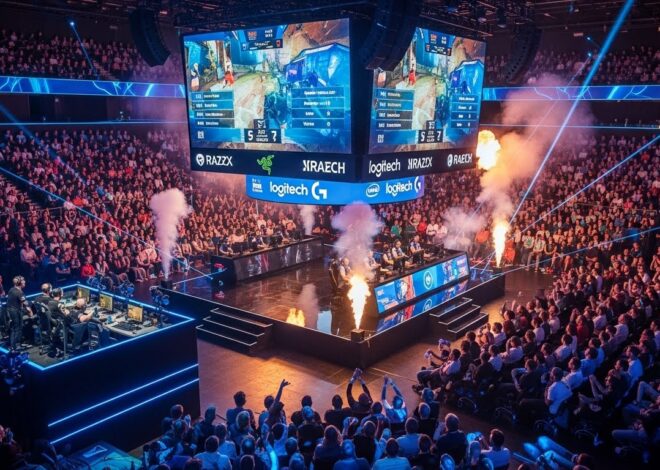
One of the defining features of esports is its tournaments and live events, which rival traditional sports in scale and excitement. International tournaments such as The International for Dota 2 and the League of Legends World Championship offer multi-million dollar prize pools and draw millions of viewers worldwide. These events feature elaborate stage setups, professional commentary, and fan experiences, creating a festival-like atmosphere that celebrates competitive gaming culture.
Collegiate esports competitions have also gained popularity, providing student players with opportunities to compete professionally while pursuing higher education. Regional leagues and online qualifiers feed into larger global tournaments, establishing a structured pathway for aspiring esports athletes. The production quality and fan engagement at these events continue to elevate esports from niche hobby to mainstream entertainment.
The Role of Streaming Platforms
Streaming platforms have played a crucial role in the rise of esports, allowing players to broadcast their gameplay and interact directly with fans. Platforms like Twitch, YouTube Gaming, and regional alternatives provide access to live tournaments, casual streams, and esports content, fostering communities of viewers and players alike. Streamers often become influential figures, shaping trends, building brands, and inspiring the next generation of competitive gamers.
The interactive nature of streaming has also changed how fans experience esports. Viewers can engage in live chat, participate in polls, and even influence gameplay decisions in some streams. This interactivity creates a unique connection between players and fans, making esports not just a competition but a shared entertainment experience.
Professional Players and Teams
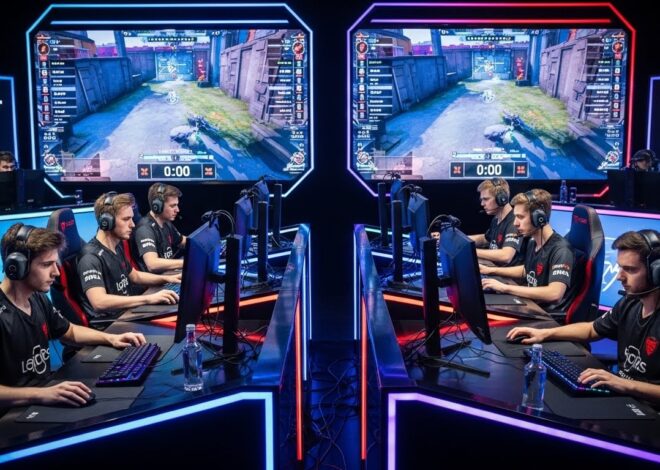
Professional esports players are now recognized as athletes in their own right. Competitive gaming requires intense training, mental focus, strategic thinking, and physical endurance. Teams often operate like professional sports organizations, employing coaches, analysts, nutritionists, and psychologists to maximize performance. Players dedicate hours daily to practice, review gameplay, and refine strategies.
Esports teams often build distinct identities, merchandise lines, and social media presences to engage fans. Iconic players and teams have loyal followings, and their achievements inspire aspiring gamers around the world. As the industry continues to mature, esports careers offer not only competitive opportunities but also avenues in content creation, brand partnerships, and management roles within the gaming ecosystem.
The Economic Impact of Esports
The economic impact of esports extends far beyond tournament prize pools. Sponsorships, merchandise sales, media rights, and advertising contribute significantly to the global esports market, which is valued at billions of dollars and growing rapidly. Large corporations invest in esports as a way to reach younger demographics and technology-savvy audiences.
Esports also stimulates local economies through events and conventions, attracting tourism, hospitality, and merchandise revenue. Universities offering esports programs invest in infrastructure, scholarships, and competitive teams, creating educational and professional opportunities for students. The economic influence of esports demonstrates that gaming is not just entertainment; it is a robust and multifaceted industry with global reach.
Cultural Influence and Community
Esports has a profound cultural influence, reshaping how society views gaming. Once stereotyped as a solitary or niche hobby, competitive gaming is now celebrated as a legitimate form of sport and entertainment. Esports communities foster collaboration, creativity, and inclusivity, connecting people from different countries, backgrounds, and age groups.
Fan culture in esports is vibrant and diverse, with online communities, fan art, cosplay, and social media engagement playing a central role. Gaming conventions and esports festivals create spaces where enthusiasts can celebrate their passion collectively. The rise of esports has also inspired related industries, including gaming journalism, content creation, and educational programs focused on game design and competitive strategies.
Challenges and Criticisms
Despite its growth, esports faces challenges and criticisms. The intense nature of competitive gaming can lead to burnout, mental health issues, and stress among professional players. Concerns about fair play, cheating, and doping have prompted the industry to adopt stricter regulations and monitoring.
Additionally, esports still faces skepticism from parts of society that question its legitimacy as a sport. While perceptions are shifting, achieving broader recognition requires continued professionalization, infrastructure development, and education about the skills and dedication involved in competitive gaming. Addressing these challenges is crucial for the long-term sustainability and credibility of the industry.
The Future of Esports
The future of esports looks promising, with innovations in technology and media likely to drive further growth. Virtual reality and augmented reality may create entirely new gaming experiences and competitive formats, while mobile esports continues to expand access globally. Cross-industry collaborations with entertainment, fashion, and education are expected to diversify opportunities for players, fans, and businesses alike.
Esports is also poised to become more inclusive and accessible, with programs aimed at encouraging female participation, adaptive gaming for players with disabilities, and community-driven initiatives. As technology and society evolve, esports will continue to redefine the boundaries of competitive entertainment, creating new experiences and opportunities for generations to come.
Conclusion: Esports as a Modern Phenomenon
Esports is no longer just a hobby; it is a cultural, economic, and technological phenomenon reshaping the world of entertainment. From its humble beginnings in arcades and small competitions to massive global tournaments and professional leagues, esports has proven that gaming can be a legitimate career path and a shared cultural experience.
The industry continues to grow, driven by passionate players, dedicated teams, and millions of engaged fans worldwide. While challenges exist, the opportunities for innovation, community building, and economic growth are immense. Esports represents not only the future of competitive gaming but also the evolving relationship between technology, culture, and entertainment in the modern era.