Esports Revolution: How Competitive Gaming is Transforming the Digital World
Introduction: The Rise of Esports
Esports, or competitive gaming, has grown from a niche hobby to a global phenomenon, captivating millions of players and fans worldwide. What was once dismissed as casual gaming has now become a professional, structured industry with leagues, tournaments, sponsorships, and a fan base rivaling traditional sports. Esports combines strategy, skill, teamwork, and entertainment, bridging cultures and connecting people across the globe. It is not merely a form of play—it is a lifestyle, a career, and a cultural movement.
In this blog, we explore the origins of esports, its growth into a global industry, its impact on players and communities, the role of technology, career opportunities, and the challenges it faces in becoming a mainstream sport.
The Origins and Evolution of Esports
The story of esports began in the late 1970s and early 1980s with arcade game competitions. Early games like Pong, Space Invaders, and Pac-Man sparked competitive play and set the foundation for organized tournaments. By the 1990s, esports began taking shape with titles like Street Fighter, Quake, and Counter-Strike, which introduced multiplayer competition and online connectivity.
The advent of the internet and streaming platforms in the 2000s transformed esports into a global phenomenon. Games like StarCraft, Dota, League of Legends, and Fortnite created competitive ecosystems where players could train, compete, and showcase their skills to worldwide audiences. Today, esports includes professional leagues, international tournaments, and a vibrant community of fans who follow every match with the same passion as traditional sports enthusiasts.
The Mental and Physical Demands of Esports
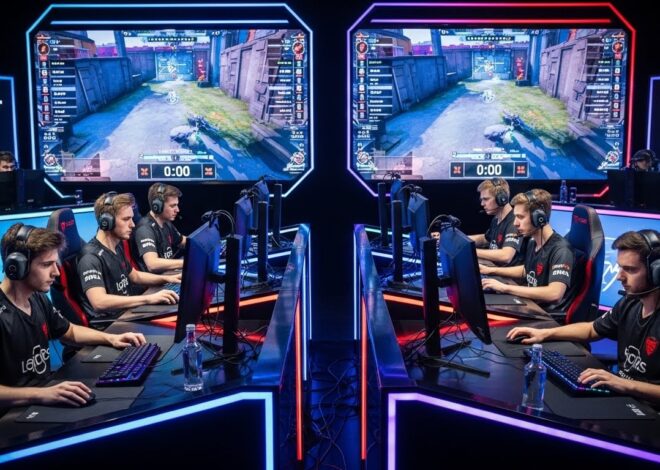
Although esports is primarily digital, it requires significant mental and physical discipline. Competitive players train for several hours daily to improve reflexes, strategic thinking, decision-making, and teamwork. Professional play demands concentration, situational awareness, and adaptability under pressure, requiring players to anticipate opponents’ moves while executing complex strategies.
Physical health is also critical. Long hours of gaming require good posture, hand-eye coordination, and eye care to avoid repetitive strain injuries and fatigue. Many esports professionals incorporate exercise, stretching, and proper nutrition to maintain focus and endurance. Like traditional athletes, success in esports is built on preparation, discipline, and consistency.
The Role of Community in Esports
Community lies at the heart of esports. Online platforms connect players, fans, and content creators, allowing them to share experiences, discuss strategies, and build social connections. Forums, social media groups, and streaming platforms foster a sense of belonging for millions of people worldwide.
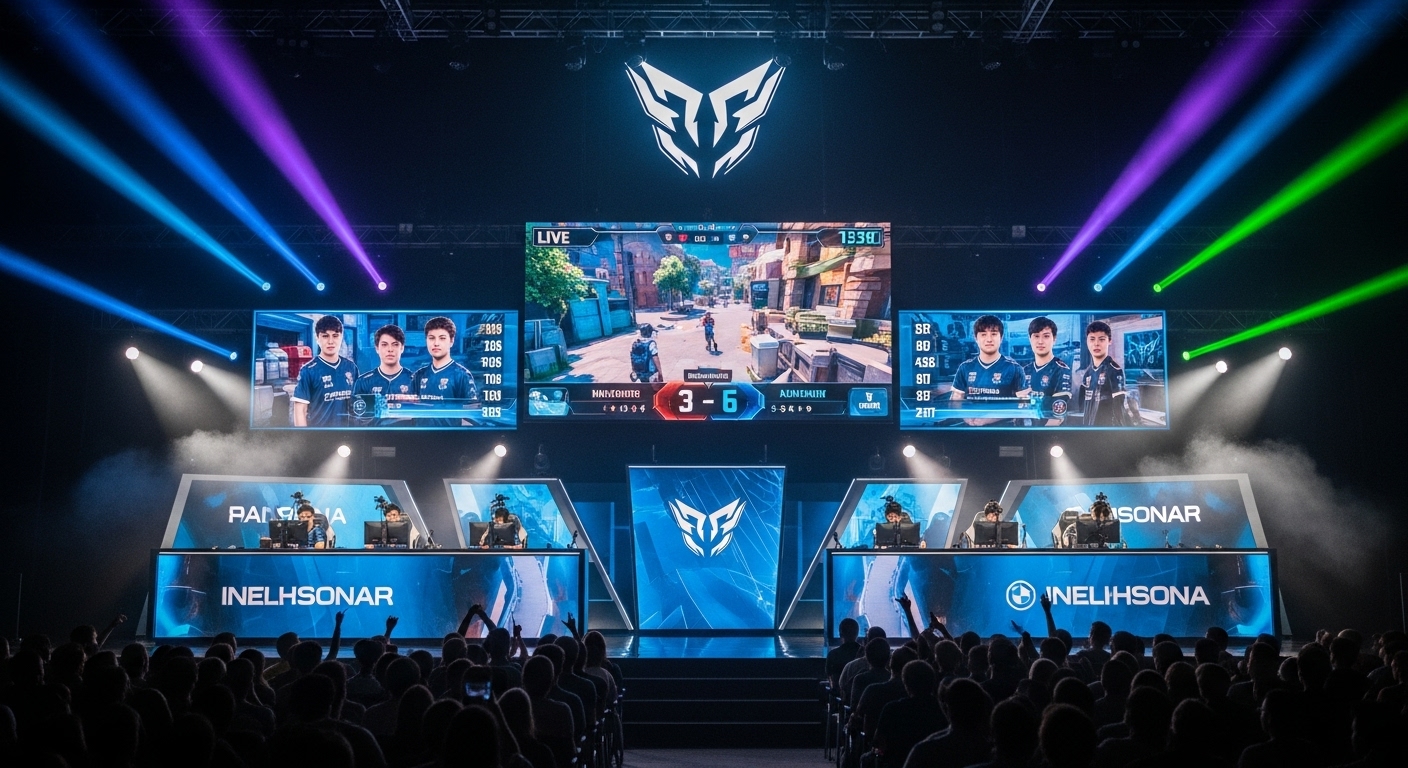
Esports events are not just competitions—they are social gatherings. Fans participate in live chats, follow commentary, and attend tournaments in person, creating shared experiences that strengthen the bond between players and audiences. This strong sense of community has been key to the rapid growth and enduring popularity of esports.
Economic Growth and Industry Impact
Esports has grown into a multi-billion-dollar industry, generating revenue through sponsorships, advertising, merchandise, and ticket sales. Major tournaments often offer prize pools in the millions, attracting elite teams and professional players. Sponsorship deals from global brands recognize esports as an effective way to engage younger, tech-savvy audiences.
Streaming platforms contribute to this economic ecosystem by enabling monetization through subscriptions, ad revenue, and donations. Commentators, content creators, and event organizers also benefit from this growing industry. The economic impact of esports extends beyond players, creating jobs in marketing, event management, broadcasting, and game development.
Esports as a Career
Esports offers multiple career paths, making it more than just competitive play. Professional players can earn salaries, sponsorships, and prize money. Teams recruit talent through rankings, competitions, and scouting, providing training facilities, coaching, and support.
Beyond playing professionally, careers exist in management, event production, content creation, marketing, broadcasting, and coaching. Unlike traditional sports, esports allows global participation, providing opportunities for players from regions with limited infrastructure. Talent, dedication, and strategy are valued over physical attributes, making esports a unique and inclusive career field.
Technology Driving Esports
Technology is the backbone of esports. High-performance hardware, stable internet connections, and advanced gaming software ensure competitive fairness. Analytics tools track performance metrics such as reaction times, accuracy, and strategy efficiency, helping players improve and coaches refine team approaches.
Streaming technology has revolutionized spectator engagement. Platforms allow millions of fans to watch live events, while interactive features such as live chat, overlays, and virtual experiences enhance viewer participation. Technology continues to shape the evolution of esports, making it more immersive, competitive, and globally accessible.
Mental Skills and Cognitive Development
Esports fosters critical cognitive skills. Players develop problem-solving abilities, multitasking, strategic thinking, and adaptability. Team-based games teach communication, collaboration, and leadership, while solo competition emphasizes self-discipline, focus, and perseverance.
Competitive gaming also teaches emotional resilience. Players learn to handle setbacks, manage stress, and maintain composure under pressure. These transferable skills benefit individuals in professional and personal contexts, demonstrating that esports contributes to broader cognitive and social development.
Diversity and Inclusion in Esports
Esports is more inclusive than many traditional sports, offering opportunities for people of all genders, physical abilities, and backgrounds. Online platforms reduce barriers related to geography, mobility, or infrastructure, enabling global participation.
Efforts to increase diversity include women’s leagues, accessible tournaments, and mentorship programs. Inclusivity encourages participation, fosters new talent, and promotes equality, positioning esports as both a competitive platform and a socially progressive community.
Global Reach of Esports
Esports is a worldwide phenomenon with strong markets in Asia, North America, Europe, and beyond. South Korea has long been a leader, with highly organized leagues and a strong cultural embrace of gaming. China, Southeast Asia, and North America have rapidly growing esports industries, hosting major tournaments and investing in infrastructure.
International events foster cross-cultural connections and shared experiences. Fans from diverse backgrounds connect over their favorite games, players, and teams. Esports transcends borders, promoting understanding, collaboration, and global fandom.
The Future of Esports
The future of esports is full of potential. Emerging technologies such as virtual reality, augmented reality, and artificial intelligence will redefine gameplay, training, and spectator experiences. Audience growth is expected as streaming technology and global connectivity expand.
Esports is also becoming integrated into education and professional development. Scholarships, academic programs, and youth leagues validate its legitimacy, creating pathways for personal growth and professional careers. Sustainability, inclusivity, and technological innovation will define the next stage of esports, cementing its place in the global sports and entertainment ecosystem.
Challenges Facing Esports
Despite its growth, esports faces challenges. Mental and physical health concerns, including burnout, stress, and repetitive strain injuries, are common among players. Regulatory standards, anti-cheating measures, and fair play enforcement remain under development. Public perception often underestimates the skill, strategy, and dedication required to succeed in esports.
Addressing these challenges requires collaboration among industry leaders, health professionals, players, and regulators. Developing support systems, enforcing ethical practices, and educating audiences about the professionalism of esports will ensure sustainable growth.
Conclusion: Esports as a Cultural Shift
Esports has redefined competition, entertainment, and community in the digital age. It blends strategy, skill, technology, and social engagement to create a globally connected ecosystem. For players, esports offers growth, professional opportunities, and recognition. For fans, it provides entertainment, interaction, and shared passion.
As esports continues to evolve, it challenges traditional notions of sport and competition. Beyond the screen, esports is a cultural revolution, connecting people, inspiring talent, and shaping the future of digital sports and entertainment worldwide.