Esports Evolution: From Pixels to Global Arenas
Introduction
Esports has grown from a niche hobby into a global phenomenon that attracts millions of players and viewers worldwide. What was once considered a casual pastime is now a competitive industry with professional teams, massive tournaments, and lucrative sponsorships. Esports is more than just video games; it is a convergence of technology, culture, entertainment, and opportunity. This blog explores the journey of esports, its impact on society, the careers it offers, and what the future holds for this rapidly evolving digital arena.
The Origins of Esports
Competitive gaming is not as new as many people might think. Even in the 1970s, arcade competitions and high-score challenges were popular among players. Early video game tournaments offered small prizes and local recognition, but they laid the foundation for the concept of organized gaming competitions.
With the arrival of home consoles and personal computers, multiplayer gaming became more accessible. Games like early first-person shooters and real-time strategy titles introduced competitive elements that captured the interest of players across regions. Online connectivity allowed players to challenge each other across cities and countries, fostering the first online communities. By the 2000s, organized leagues, professional teams, and international competitions began to take shape, signaling the beginning of modern esports.
Technology as the Catalyst
The rise of esports is closely tied to technological advancements. High-speed internet, powerful computers, and next-generation consoles transformed gaming into an interactive, competitive experience. Online matchmaking systems allowed players to compete against others of similar skill levels, creating fair and structured competition.
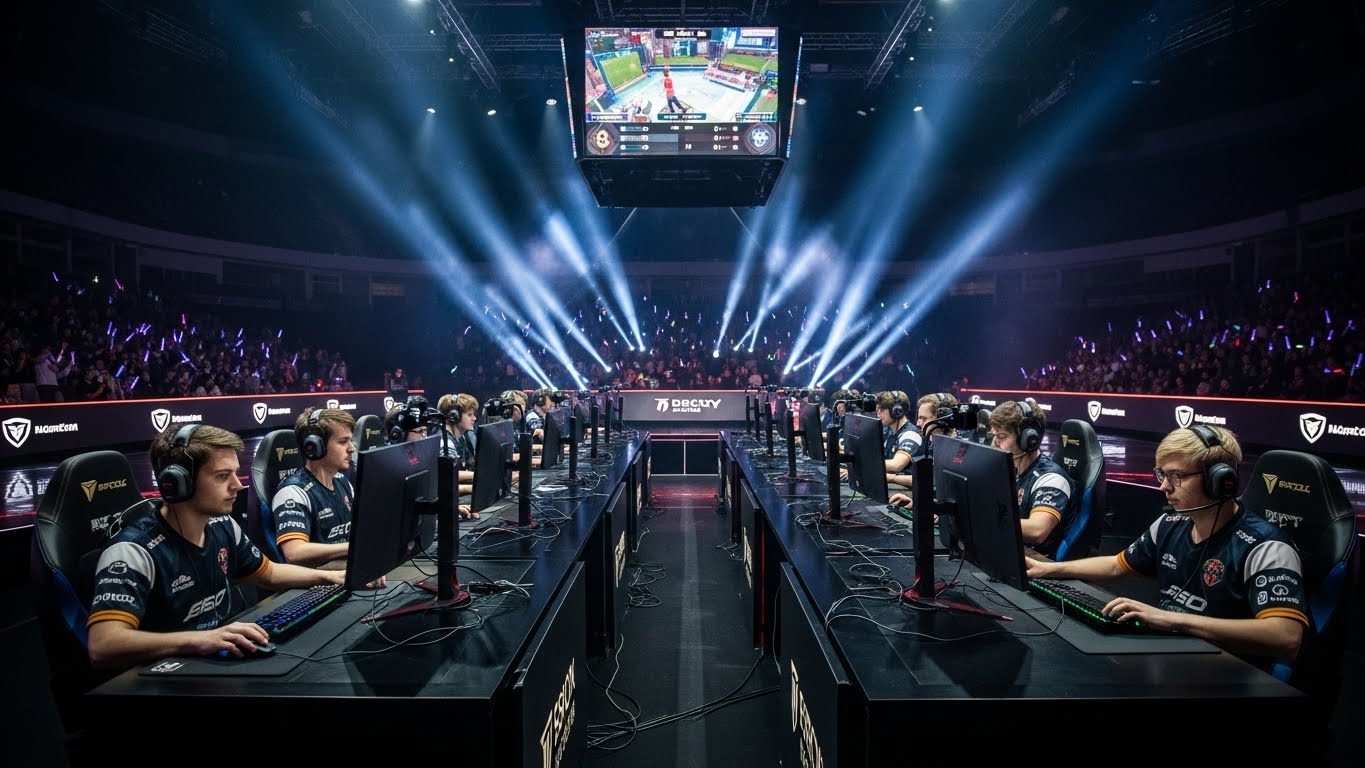
Streaming platforms revolutionized the way audiences engage with esports. Millions of viewers now watch live tournaments, follow their favorite players, and interact with other fans in real time. This technological ecosystem has enabled esports to reach a scale that rivals traditional sports, connecting players and audiences across the globe.
The Growth of Professional Players
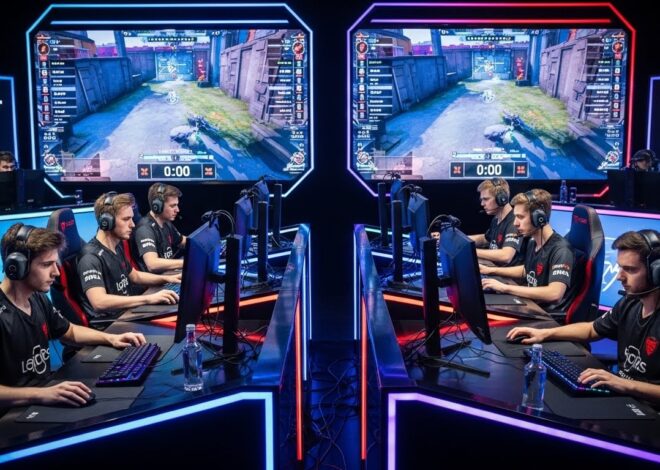
Professional esports players resemble traditional athletes in their dedication and training. They often spend hours every day refining strategies, practicing skills, and analyzing opponents. Professional teams provide coaching, performance analysis, and even mental health support to ensure players perform at their best.
Many players start in online ranked matches or amateur leagues, eventually getting scouted by professional teams. Contracts can include salaries, bonuses, and sponsorship deals. While the journey is highly competitive and stressful, the rewards at the top level are substantial, with some players earning six or seven-figure incomes.
Professional players have become role models for aspiring gamers, showing that a hobby can evolve into a legitimate career path. Their influence has helped elevate the status of gaming from leisure to a respected professional pursuit.
Popular Esports Genres and Games
Esports is diverse, with games spanning multiple genres, each appealing to different audiences.
Multiplayer Online Battle Arena Games: These games focus on strategy, teamwork, and individual skill. Teams compete to dominate maps, control objectives, and defeat opponents.
First-Person Shooters: These games emphasize precision, quick reflexes, and tactical coordination. Matches are intense and often fast-paced, making them thrilling for both players and viewers.
Battle Royale Games: Players compete in large arenas where survival is key. Matches are unpredictable and exciting, drawing huge audiences online.
Sports Simulation Games: Titles like virtual soccer, basketball, or racing games replicate real-world sports. Fans enjoy familiar rules and immersive competitive experiences.
Fighting Games: One-on-one combat games require mastery of timing, strategy, and skillful execution. The genre remains a staple in competitive esports due to its fast-paced and dramatic nature.
Despite the variety of genres, all esports games reward skill, strategy, and continuous practice, making them ideal for competitive play.
The Role of Streaming and Content Creation
Streaming has transformed esports into a global entertainment industry. Platforms allow players to broadcast their gameplay, offer tutorials, and engage with audiences in real time. This has created a new type of celebrity: the content creator, who can build a following and influence the gaming culture.
Streaming also strengthens the esports ecosystem by connecting fans with players and tournaments. Fans can watch matches live, interact through chat, and even learn professional strategies. Content creators act as ambassadors, introducing new audiences to esports and enhancing community engagement.
The combination of professional competition and entertainment content ensures that esports continues to grow both as a sport and a cultural phenomenon.
Esports as a Career and Educational Path
Esports has evolved into a legitimate career path beyond professional playing. Universities now offer scholarships for esports players, combining academic study with competitive gaming. Programs often include courses in game design, broadcasting, event management, and digital marketing.
Beyond players, the industry provides career opportunities in coaching, commentary, event production, team management, marketing, and content creation. Thousands of professionals work in these fields, contributing to a robust ecosystem. Esports promotes skill development, teamwork, strategic thinking, and leadership, making it a valuable educational and career platform.
Building a Global Community
One of esports’ most significant impacts is its ability to connect people worldwide. Geographic, cultural, and language barriers are diminished when players compete online. Fans support international teams, attend global tournaments, and form online communities based on shared interests.
Esports fosters a sense of belonging and inclusivity. People from diverse backgrounds find common ground in competition and entertainment. This global community strengthens the culture of esports, making it not just about the games but also about human connection and collaboration.
Challenges Facing Esports
Despite its growth, esports faces several challenges. Player burnout is common due to intense training schedules and high performance expectations. Organizations are now placing more focus on mental health, nutrition, and work-life balance to prevent long-term issues.
Maintaining integrity in competitions is another ongoing challenge. Anti-cheat systems, fair play standards, and ethical guidelines are essential to ensure trust and credibility. Financial sustainability for smaller teams and regional tournaments can also be difficult, requiring consistent investment and support.
As the industry matures, addressing these challenges will be crucial for its continued growth and legitimacy.
The Future of Esports
The future of esports is full of possibilities. Advancements in virtual reality, augmented reality, and interactive gaming experiences promise to reshape competition. As mainstream acceptance grows, esports may become part of educational systems, professional training programs, and international sporting events.
Technological innovations, global audiences, and expanding career opportunities indicate that esports will continue to evolve. Its potential to combine entertainment, education, and professional development positions it as a major force in the digital age.
The industry’s growth depends on its players, fans, and innovators. Their passion drives new tournaments, inspires aspiring professionals, and ensures that esports continues to capture the imagination of millions worldwide.
Conclusion
Esports has evolved from small arcade competitions into a billion-dollar global industry. It represents the intersection of technology, entertainment, and culture, offering opportunities for professional careers, community building, and personal growth.
From its humble beginnings to its current international stage, esports has transformed how we perceive games and competition. It continues to break boundaries, connect people across continents, and inspire the next generation of players and creators.
In the digital arena of esports, the only limit is imagination. Its journey is a testament to innovation, dedication, and the power of a shared passion for gaming. As esports continues to grow, it will undoubtedly leave a lasting mark on both the gaming industry and the broader cultural landscape.