Digital Titans: How Esports Is Building the Future of Competitive Entertainment
Introduction: A New Age of Competition
Esports has transformed the digital landscape, turning what was once considered a casual pastime into one of the world’s most rapidly growing competitive fields. What began as friendly battles in arcades and living rooms has evolved into an entire industry fueled by professional players, dedicated fans, huge tournaments, and global recognition. Today, esports stands tall alongside traditional sports, proving that competition is not limited to physical arenas. Instead, it thrives in digital battlegrounds where strategy, teamwork, reflexes, and innovation create unforgettable moments. This blog explores the evolution, impact, challenges, and future of esports in a detailed and engaging way, providing a complete look at why it has become such a powerful force in modern entertainment.
The Origins of Competitive Gaming
Long before esports became a billion-dollar industry, video games served as an outlet for fun and friendly rivalry. The earliest signs of competitive gaming appeared in the 1980s when arcade tournaments brought players together to battle for high scores. These events, although simple by today’s standards, planted the seeds for what would later become organized gaming competitions.
In the 1990s, with the rise of home computers and improved internet technology, multiplayer gaming exploded. Games like StarCraft, Street Fighter, and Quake turned casual matches into serious competitions, drawing the attention of growing gaming communities. These early competitions laid the foundation for what would eventually become structured esports leagues and professional gaming organizations.
Esports Becomes a Global Industry
As technology advanced, competitive gaming also evolved. Online play allowed players from different countries to face each other, expanding the esports scene beyond local communities. By the early 2000s, professional tournaments were being held in large venues, attracting crowds who came to watch their favorite gamers compete live.
Today, esports is a global industry supported by sponsors, teams, tournament organizers, and millions of passionate fans. Prize pools for major events often reach millions of dollars, and elite players are treated like celebrities. Professional teams now function like traditional sports clubs, offering salaries, training facilities, coaching staff, and even nutrition and fitness programs for their players.
Popular Esports Titles That Shape the Industry
Esports is a broad field with many genres, each attracting unique audiences. Some of the most influential competitive games include:
Multiplayer Online Battle Arenas
Games like League of Legends and Dota 2 dominate this category. They demand strategic decision-making, teamwork, and fast reactions. Matches are unpredictable, keeping fans on the edge of their seats.
First-Person Shooters
Titles such as Counter-Strike: Global Offensive, Valorant, and Call of Duty rely heavily on precision aim, quick thinking, and coordinated team play. These games are known for intense, fast-paced action.
Battle Royale Games
Fortnite and Apex Legends add survival elements to competition, requiring players to outlast opponents in ever-changing environments. These games blend individual skill with smart decision-making.
Sports Simulations
Games like FIFA, NBA 2K, and Madden appeal to both sports fans and gamers, creating a bridge between digital and traditional athletic competition.
Each genre contributes to the diversity of esports, ensuring that fans and players of all interests can find a competitive niche that excites them.
The Power of Streaming and Community Engagement
Streaming platforms have played an essential role in the rise of esports. They allow fans to watch tournaments live, chat with other viewers, and follow their favorite players. Streamers who entertain audiences with gameplay, commentary, and personality have become cultural icons, shaping the community and attracting millions of followers.
Streaming has also lowered the barrier to entry for aspiring esports players. Anyone can broadcast their skills, grow a fanbase, and potentially attract the attention of professional organizations. This accessibility has helped esports expand faster than many traditional sports.
The Growing Economic Impact of Esports
Esports is not just entertainment; it is a powerful economic engine. The industry generates revenue through sponsorships, advertising, merchandise, ticket sales, media rights, and gaming equipment. Professional teams operate as businesses, managing players, content creation, partnerships, and brand identity.
Cities hosting major tournaments benefit from tourism and global exposure. Gaming hardware companies thrive by producing high-performance equipment that meets the needs of competitive players. Marketing agencies, event organizers, coaches, analysts, and content creators all find opportunities within esports. This expanding ecosystem continues to create new jobs and investment possibilities as the industry grows.
Esports in Education and Youth Development
The rise of esports has not gone unnoticed in the academic world. Schools and universities now offer esports programs, clubs, and even scholarships. These institutions recognize that gaming fosters valuable skills such as teamwork, leadership, problem-solving, and strategic thinking.
Students involved in esports learn discipline, time management, and communication. Schools also host tournaments, giving students a chance to compete, socialize, and represent their institutions in positive ways. Esports provides a platform where young people can develop confidence and pursue careers not only as players but also in broadcasting, game design, event management, and digital marketing.
Health and Wellness in the Esports Community
Professional esports may not involve physical running or jumping, but it demands significant physical and mental endurance. Long practice hours require proper posture, hand care, and regular breaks to avoid strain injuries. Teams now emphasize fitness, nutrition, and mental health to ensure their players remain in peak condition.
Mental sharpness is crucial in competitive gaming. Players must handle stress, maintain focus, and stay calm under pressure. Increasingly, organizations include psychologists and wellness coaches to support players through the challenges of intense competition.
Challenges Faced by the Esports Industry
Despite its rapid success, esports faces several challenges that must be addressed for long-term stability. One major issue is maintaining fairness. Cheating, hacking, and unfair advantages can undermine competitive integrity. Tournament organizers work hard to enforce rules, but constant vigilance is required.
Toxic behavior and harassment in online communities also pose problems. Creating a positive and inclusive environment is essential to attracting new players and fans. Additionally, the esports industry needs stronger regulations to ensure consistent standards for contracts, player rights, and tournament rules.
Another challenge is burnout. The demanding lifestyle of professional gaming can take a toll on players. Organizations must balance competitiveness with player wellbeing to ensure long, healthy careers.
Esports as a Form of Global Entertainment
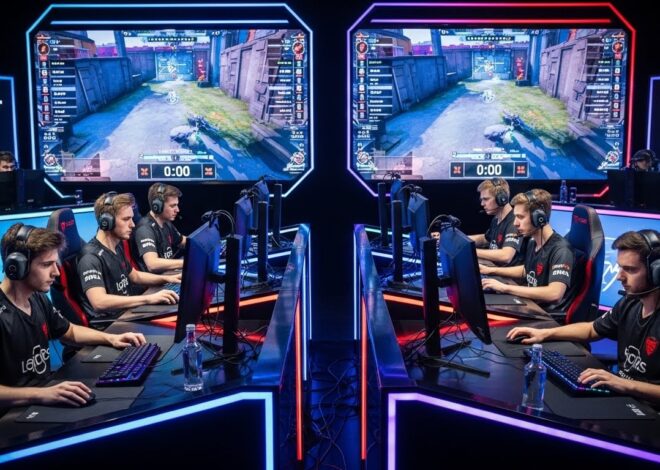
Esports is not just a competition; it is a spectacle. Live events attract thousands of attendees, while millions watch from home. The energy in arenas filled with cheering fans rivals that of traditional sports events. Commentators bring matches to life with excitement and analysis, while production teams create dramatic, cinematic presentations.
Fans engage in discussions, share highlights, create fan art, and follow storylines involving their favorite teams and players. Events often include performances, cosplay contests, and fan experiences, making them full entertainment packages.
The Future of Esports: Innovation and Expansion
The future of esports looks incredibly bright. New technologies such as virtual reality, augmented reality, and advanced artificial intelligence promise to introduce fresh competitive experiences. As internet access improves globally, more players from developing regions will join the competitive scene, increasing diversity and talent.
Esports may also continue to blend with traditional sports, with collaborations, shared events, and cross-training opportunities. Media companies are investing heavily in broadcasting esports, proving that it is becoming a permanent part of global entertainment.
Conclusion: A New Era of Digital Competition
Esports represents the fusion of technology, creativity, and competition. It has grown from small gatherings to massive international events with millions of fans. Its influence extends into education, culture, business, and digital society. Esports celebrates skill, strategy, teamwork, and passion, offering thrilling experiences for players and spectators alike.
As innovation continues and communities expand, esports is set to shape the future of entertainment. It is not merely a trend but a new chapter in global competition. Esports has unlocked a world where digital champions are celebrated, and the virtual arena becomes a stage for dreams, ambition, and unforgettable moments.
If you want this blog rewritten in a more formal tone, storytelling style, or SEO-optimized version, I can do that as well.