Esports: The New Era of Digital Competition
Introduction
In the modern world, gaming is no longer just a source of entertainment—it has become a global stage for competition, strategy, and talent. Esports, short for electronic sports, represents this transformation. It is the organized form of video game competition where players and teams face off in popular games, attracting millions of fans worldwide. The rise of esports has changed how people view gaming, turning it into a respected and profitable profession.
The Beginning of Esports
The journey of esports began with small gaming tournaments held in local venues and universities. The first major breakthrough came when technology allowed players to compete online. Early games like Counter-Strike, StarCraft, and Warcraft helped shape the structure of modern esports. What once started as casual gaming is now a global spectacle, watched by audiences that rival traditional sports.
The Professional Gaming World
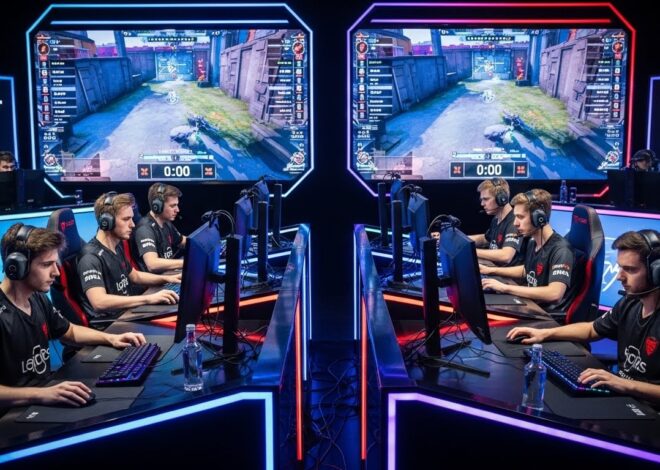
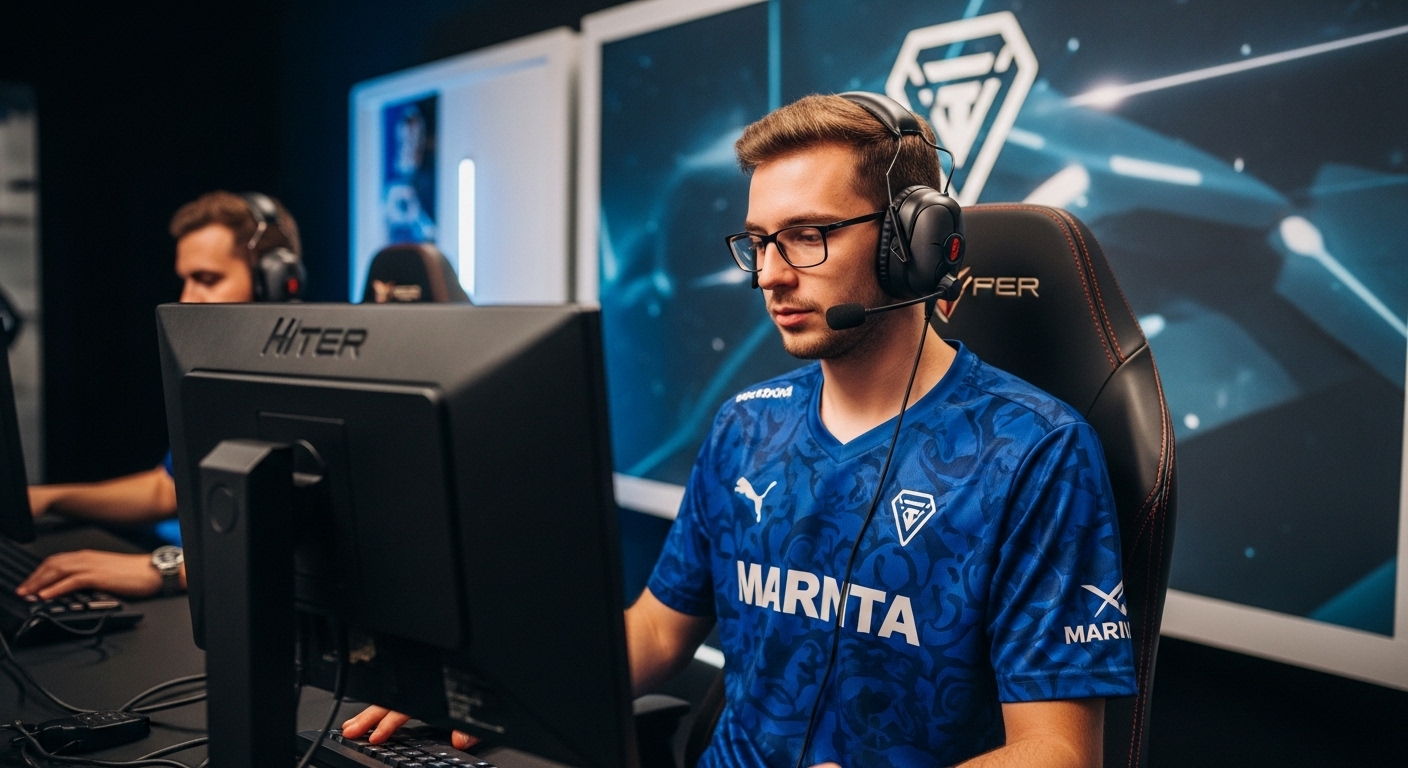
Professional esports players are often compared to athletes because of their dedication and training routines. They spend long hours practicing, analyzing strategies, and improving teamwork. Teams have coaches, analysts, and even nutritionists to ensure players perform at their best. Esports requires quick reflexes, sharp decision-making, and mental toughness—qualities that make it a true sport in every sense.
The Economic Impact of Esports
Esports has grown into a billion-dollar industry. Major tournaments offer massive prize pools, sponsorship deals, and broadcasting rights. Brands from around the world invest heavily in esports because of its global reach and young audience. Cities are even building special arenas for esports events, hosting crowds that cheer as passionately as fans in football stadiums. This economic boom has created career opportunities not just for players, but also for coaches, streamers, commentators, and event organizers.
Esports in Education and Career Development
Many schools and universities are now embracing esports as part of their curriculum. Scholarships are offered to skilled players, and academic programs teach students about game design, marketing, and event management. This educational shift proves that esports is more than just playing games—it’s a pathway to a wide range of careers in technology, entertainment, and media.
The Social and Cultural Influence of Esports
Esports has connected millions of people across cultures and languages. Players from different parts of the world compete on the same stage, promoting unity and understanding. Online communities allow fans to discuss, celebrate, and support their favorite teams and players. Esports has also helped break stereotypes about gaming, proving that it can be a serious and rewarding pursuit.
The Future of Esports
The future of esports looks incredibly bright. With advancements in virtual reality, artificial intelligence, and faster internet, the experience will become even more interactive and immersive. Esports may soon find a place in global sporting events, gaining the same recognition as traditional sports. As technology continues to evolve, esports will only grow stronger and more influential.
Conclusion
Esports is a symbol of how far technology and human creativity have come. It has transformed gaming from a casual pastime into a competitive, global industry that inspires millions. The rise of esports marks the beginning of a new era where passion, skill, and innovation come together to redefine what it means to be an athlete in the digital age.