The World of Esports: A Digital Revolution in Modern Entertainment
Introduction to the Rise of Esports
In the last two decades, the global entertainment landscape has undergone a dramatic transformation, and one of the most exciting developments has been the rise of esports. What began as small gatherings of gamers competing for fun has evolved into a billion-dollar industry with professional players, international tournaments, massive sponsorship deals, and millions of passionate fans. Esports has become more than just a form of gaming—it is a cultural movement that bridges technology, competition, and community.
The term “esports,” short for electronic sports, refers to organized video game competitions, often between professional players, individually or as teams. Unlike casual gaming, esports events are structured, professionally managed, and watched by global audiences both online and in arenas. From strategy games to first-person shooters, esports encompasses a wide range of genres, each with its own loyal fan base.
The Early Days of Competitive Gaming
The roots of esports can be traced back to the late 20th century. In the early 1980s, video games were just becoming a mainstream form of entertainment. Arcades and home consoles introduced millions of people to the thrill of digital competition. One of the first recognized esports tournaments took place in 1980 when players gathered for a “Space Invaders” competition organized by Atari. Although primitive compared to today’s massive events, it planted the seed for what would later become a global phenomenon.
During the 1990s, the emergence of PC gaming and local area network (LAN) parties provided the perfect environment for competitive gaming to grow. Titles like “Doom,” “Quake,” and “StarCraft” brought players together to test their skills against others. South Korea, in particular, became a hub for competitive gaming, fueled by high-speed internet access and government support for the gaming industry. Professional players began to gain recognition, and gaming started to be viewed as a legitimate sport in some regions.
The Explosion of Esports in the 2000s
The 2000s marked a turning point for esports. As broadband internet became widespread, players no longer needed to be in the same physical space to compete. Online multiplayer gaming exploded, and platforms like Battle.net, Steam, and Xbox Live connected millions of players worldwide. This new level of connectivity led to larger, more organized tournaments and the birth of esports leagues.
Games like “Counter-Strike,” “Warcraft III,” and “Dota” became the backbone of early esports competition. Professional gaming teams began to form, complete with coaches, analysts, and sponsors. South Korea continued to lead the way, with televised esports matches attracting millions of viewers. The “StarCraft” scene in particular became a cultural phenomenon, with players reaching celebrity status and fans treating matches like traditional sports events.
The Modern Esports Era: A Billion-Dollar Industry
By the 2010s, esports had transformed into a global powerhouse. Streaming platforms like Twitch and YouTube Gaming revolutionized how audiences consumed gaming content. Fans could watch their favorite players live from anywhere in the world, and tournaments could reach millions of viewers without relying on traditional television networks.
The industry also saw the rise of major tournament organizers and leagues. Titles such as “League of Legends,” “Dota 2,” “Counter-Strike: Global Offensive,” and “Overwatch” became central pillars of professional esports. Developers and publishers began investing heavily in competitive gaming, recognizing its potential as both a marketing tool and a standalone business model.
Prize pools skyrocketed to astonishing levels. The annual “Dota 2” tournament known as The International set records with its multi-million-dollar prize funds, much of it crowdfunded by fans through in-game purchases. Esports organizations attracted sponsorships from major brands in technology, apparel, and even traditional sports industries.
The Role of Streaming and Content Creation
One of the key factors behind the rapid rise of esports is the accessibility of live streaming. Platforms dedicated to gaming content have turned professional players and even casual streamers into influential personalities. These content creators help drive interest in esports by sharing insights, gameplay, and behind-the-scenes experiences.
Fans no longer just watch tournaments—they follow their favorite players daily, interact with them through chats, and become part of the community. This level of connection between fans and players has helped esports build a deeply engaged and loyal audience. Unlike traditional sports, where physical barriers exist, esports allows for direct interaction between players and viewers across the globe.
Popular Esports Titles and Their Unique Worlds
The diversity of esports titles contributes to its broad appeal. Each game offers a distinct competitive experience and attracts its own demographic.
“League of Legends” is one of the most influential titles in esports history. Its combination of strategy, teamwork, and fast-paced action makes it a favorite among both players and viewers. The annual League of Legends World Championship is one of the biggest esports events globally, complete with elaborate opening ceremonies, world-class production, and massive audiences.
“Counter-Strike: Global Offensive” (CS:GO) continues to dominate the first-person shooter scene. Known for its tactical gameplay and long-standing community, CS:GO has been a consistent part of professional esports for over a decade.
“Dota 2,” with its deep strategy and complexity, attracts some of the most dedicated and analytical fans. Its tournaments often feature the largest prize pools in esports, showcasing how invested the community is in supporting the competitive scene.
Other popular esports titles include “Valorant,” “Overwatch,” “Fortnite,” “Call of Duty,” and “Rocket League.” Each game has developed its own ecosystem of tournaments, teams, and fans, contributing to the overall expansion of esports.
Professional Players and the Esports Lifestyle
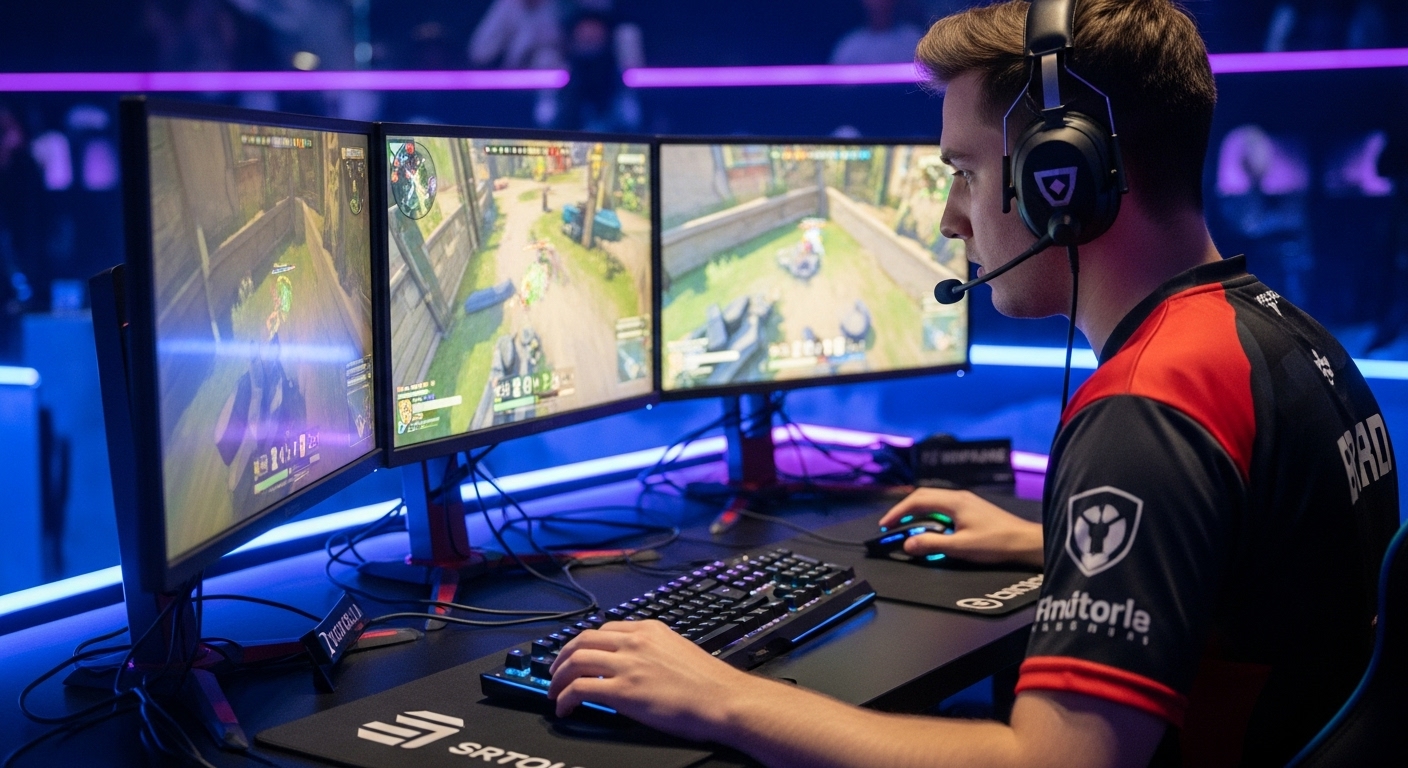
The life of a professional esports player is both glamorous and demanding. Players dedicate countless hours to training, strategizing, and improving their skills. Teams operate much like traditional sports organizations, with coaches, analysts, and nutritionists helping players maintain peak performance.
However, the intense training schedules and mental pressure can take a toll. Burnout is a common issue among players who compete at the highest level. As a result, many organizations have started emphasizing mental health and balanced lifestyles to ensure long-term success for their athletes.
Esports players can achieve fame and financial success similar to traditional sports stars. Some of the top players earn millions through prize money, sponsorships, and streaming revenue. Yet, unlike conventional sports, esports careers often start and peak at a younger age, as reaction time and hand-eye coordination play crucial roles.
Esports Arenas and Global Tournaments
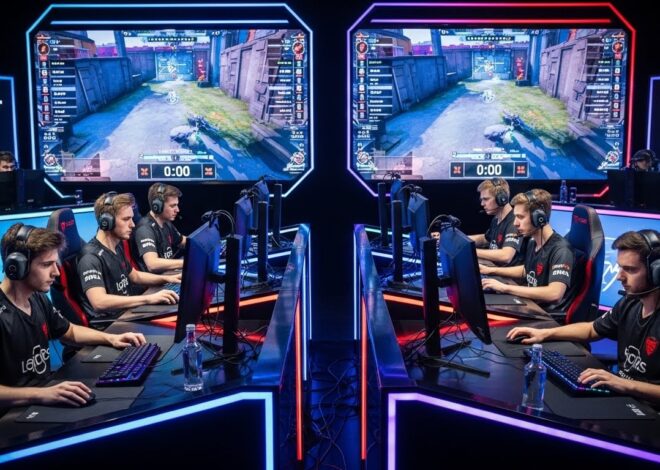
One of the most thrilling aspects of esports is its live events. Major tournaments fill massive arenas with thousands of fans cheering for their favorite teams. The atmosphere mirrors that of traditional sports, complete with chants, team merchandise, and electrifying energy.
Cities such as Seoul, Los Angeles, Shanghai, and Berlin have become esports capitals, hosting international tournaments that draw visitors from around the world. The production value of these events continues to rise, with spectacular stage designs, advanced lighting, and augmented reality effects enhancing the experience for both live and online audiences.
The Integration of Esports and Traditional Sports
As esports gained legitimacy, traditional sports organizations began to take notice. Many football, basketball, and baseball clubs have invested in esports teams or created their own divisions. This crossover has helped bridge the gap between digital and physical competition, attracting a broader audience.
Some athletes have also become esports enthusiasts, investing in teams or participating in gaming events themselves. This blend of worlds signifies how gaming has become a universal form of competition that transcends age, geography, and background.
The Educational and Career Opportunities in Esports
Beyond professional play, esports has opened doors to various career paths. The industry now includes roles in event management, broadcasting, game design, marketing, and coaching. Universities and colleges around the world have started offering scholarships for esports players and courses focused on gaming business and management.
Educational institutions recognize the potential of esports to develop valuable skills such as teamwork, strategic thinking, and communication. Esports clubs in schools and colleges provide a platform for young players to explore their talents and pursue a career in a growing industry.
Esports and the Power of Community
At its core, esports thrives on community. Fans form tight-knit groups around their favorite teams, players, and games. Online forums, social media, and live chats create spaces for discussion, analysis, and celebration. Unlike traditional sports, where fans may be separated by geography, esports communities are global and accessible to anyone with an internet connection.
The sense of belonging that esports offers is one of its most powerful aspects. Whether watching a grand final match, participating in a local tournament, or simply discussing strategies online, fans feel part of something larger than themselves. This unity has helped propel esports from niche entertainment to mainstream culture.
Challenges Facing the Esports Industry
Despite its rapid growth, esports faces challenges that need to be addressed for sustainable development. Player burnout, inconsistent regulation, and the need for better representation and inclusivity are ongoing concerns. Additionally, maintaining the integrity of competition is essential, with organizations working hard to prevent cheating, match-fixing, and other unethical practices.
Monetization also presents a challenge. While esports attracts massive viewership, converting that into consistent revenue through sponsorships, merchandise, and media rights remains a complex task. The industry continues to explore new models to ensure that players, teams, and organizers can thrive financially.
The Future of Esports: What Lies Ahead
Looking ahead, the future of esports appears brighter than ever. Advancements in technology such as virtual reality, augmented reality, and artificial intelligence are likely to redefine how games are played and watched. The boundaries between gaming and real-life experiences will continue to blur, offering audiences even more immersive entertainment.
Esports is also expected to gain more recognition from mainstream institutions. Some countries are already considering the inclusion of esports in major sporting events, and discussions about adding esports to global competitions reflect its growing influence.
Furthermore, as internet access expands and technology becomes more affordable, new regions around the world will emerge as esports hubs. Africa, South America, and Southeast Asia are showing strong growth in both player participation and audience engagement.
Conclusion: Esports as the Future of Global Entertainment
Esports is no longer just a subculture—it is a defining feature of 21st-century entertainment. Its combination of competition, creativity, and community has reshaped how people interact with games and technology. From small local tournaments to international arenas filled with cheering fans, esports represents the spirit of digital evolution.
The journey of esports mirrors the progress of technology itself. It is a story of innovation, passion, and the human desire to connect through play. As the industry continues to grow, it will inspire new generations of players, creators, and fans to push the boundaries of what’s possible in digital competition.
The world of esports is still evolving, and its best chapters are yet to come. With each new tournament, game release, and rising star, the esports universe expands—uniting millions across the globe under a single shared passion for gaming excellence.