The Rise of Esports: How Competitive Gaming Became a Global Phenomenon
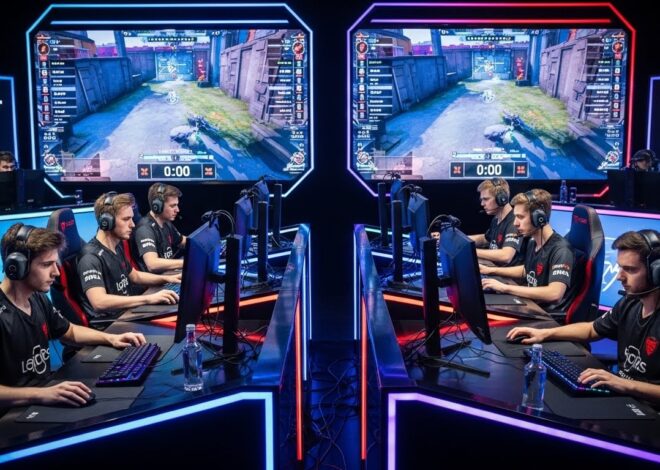
Esports, short for electronic sports, has evolved from a niche hobby into a global cultural force, captivating millions of fans and generating billions of dollars in revenue annually. Once considered a pastime for a select group of gamers, esports now commands attention on par with traditional sports, boasting professional leagues, international tournaments, celebrity players, and dedicated fan communities. Its rise has been fueled by technological innovation, online connectivity, and a shift in cultural attitudes toward gaming as a legitimate profession and form of entertainment.
Esports is more than just video games. It is a complex ecosystem combining skill, strategy, entertainment, and community. It reflects the ways in which technology has reshaped leisure, competition, and social interaction. For millions around the world, esports represents a lifestyle, a career path, and a source of inspiration, making it a defining aspect of modern digital culture.
The Origins of Competitive Gaming
The roots of esports can be traced back to the late 1970s and early 1980s, when arcade gaming became a social and competitive activity. Games like Space Invaders, Pac-Man, and Donkey Kong encouraged players to achieve the highest scores, often displayed on public leaderboards. These early competitions were informal but laid the foundation for organized play, emphasizing skill, dedication, and recognition.
As home consoles and personal computers became more widespread in the 1980s and 1990s, competitive gaming shifted into private spaces, allowing players to compete locally and later across networks. Titles such as Doom, Quake, and Warcraft introduced multiplayer functionality, enabling players to compete in real-time against friends and strangers alike. Local area network tournaments and early online competitions fostered the first communities of dedicated gamers.
The Professionalization of Esports
By the early 2000s, esports began to professionalize. South Korea emerged as a pioneer, elevating games like StarCraft into national pastimes. Television coverage, sponsorships, and organized leagues turned competitive gaming into a serious endeavor. Players started to dedicate themselves full-time, training for hours daily under the guidance of coaches and team managers.
This era also saw the rise of international tournaments, where players from different countries could compete for recognition and prize money. Games like Counter-Strike and Warcraft III attracted global audiences, highlighting the potential of esports to transcend national boundaries and appeal to diverse communities.
Popular Esports Titles
The modern esports landscape is dominated by multiplayer online games that combine strategy, skill, and teamwork. League of Legends, Dota 2, Counter-Strike: Global Offensive, Overwatch, and Fortnite are among the most popular titles, each offering unique mechanics and competitive structures.
League of Legends and Dota 2 are team-based strategy games where coordination, communication, and strategic planning are critical. Counter-Strike: Global Offensive emphasizes precision, reflexes, and tactical decision-making. Battle royale games like Fortnite combine survival, exploration, and combat, attracting younger audiences with dynamic gameplay. These games provide both the depth to satisfy hardcore players and the spectacle to entertain global audiences.
Tournaments and Leagues
Professional esports competitions have grown in scale and sophistication, rivaling traditional sports events. Tournaments such as The International, League of Legends World Championship, and Overwatch League Grand Finals offer millions of dollars in prize money and attract viewership comparable to major sporting events.
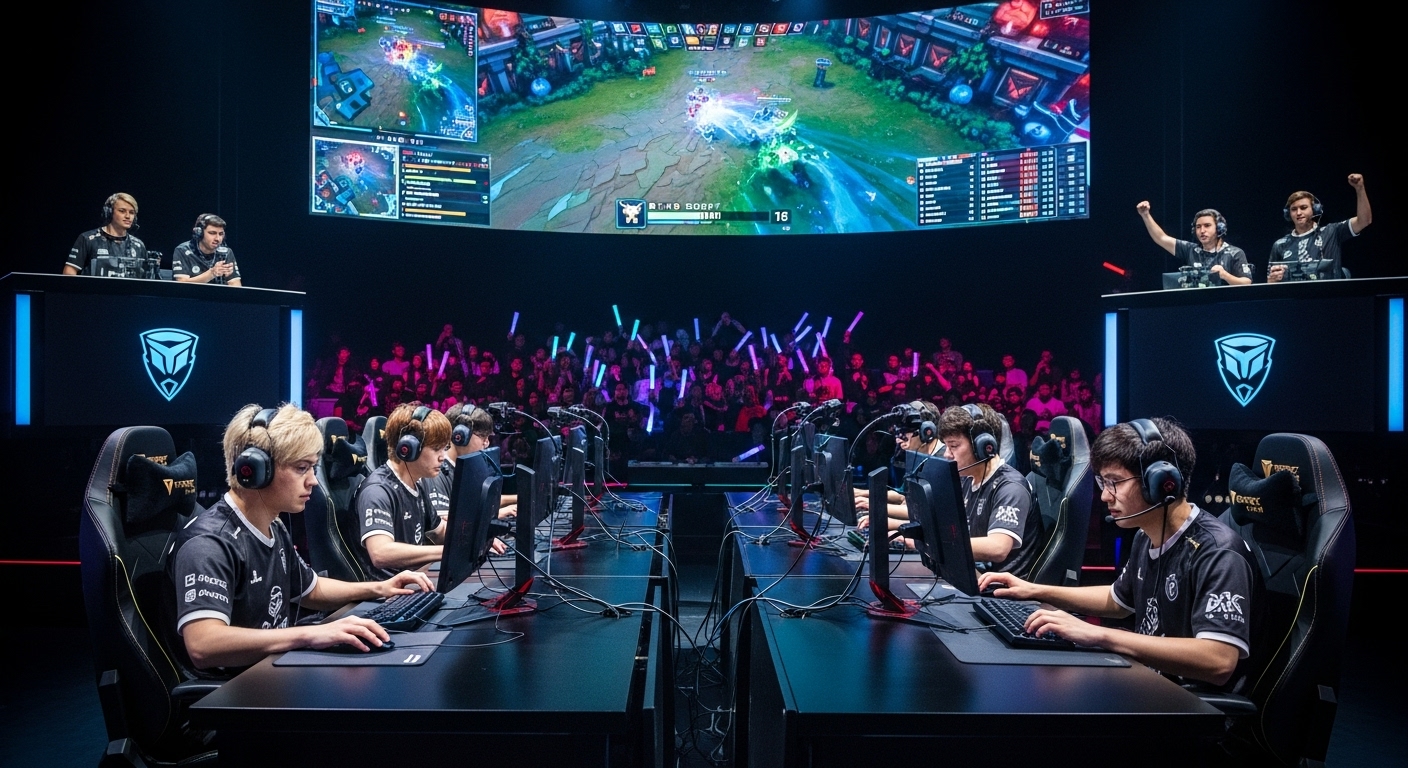
These tournaments are highly produced, with live broadcasts, professional commentary, and elaborate stage designs. Fans attend in person or watch online, engaging with the event through social media, live chats, and interactive platforms. The spectacle, combined with high-level gameplay, creates a unique entertainment experience that blends sport and showmanship.
Streaming and Online Platforms
Streaming platforms have been instrumental in the growth of esports. Twitch, YouTube Gaming, and other platforms allow fans to watch matches live, interact with players, and follow their favorite streamers. This accessibility has expanded esports’ reach, connecting audiences across continents and fostering communities around shared interests.
Streaming has also transformed the relationship between players and fans. Viewers can watch professional matches, casual gameplay, or behind-the-scenes content, creating a sense of intimacy and participation. Streamers often become celebrities in their own right, blurring the lines between athlete, entertainer, and influencer.
The Cultural Impact of Esports
Esports has redefined what it means to be an athlete and what qualifies as a sport. Professional gamers undergo rigorous training, maintain strict schedules, and develop both physical and mental endurance. Reaction time, strategic thinking, and teamwork are honed through hours of practice, rivaling the dedication seen in traditional sports.
Esports has also fostered inclusive communities. Unlike many traditional sports, it allows people of all ages, genders, and physical abilities to participate and compete. Online platforms enable fans from around the world to connect, share experiences, and celebrate achievements collectively.
Gender and Diversity in Esports
While esports has historically been male-dominated, increasing efforts are being made to promote diversity and inclusivity. Female players, LGBTQ+ participants, and players from various cultural backgrounds are gaining visibility and recognition. Organizations are creating inclusive tournaments, mentorship programs, and supportive networks to ensure that competitive gaming is accessible to all.
Representation is crucial for the industry’s growth. Showcasing diverse talent inspires new participants, breaks stereotypes, and enriches the community with varied perspectives and strategies. Diversity in esports is not only a social imperative but also enhances the competitive landscape.
Economics of Esports
The economic impact of esports is immense. Major tournaments offer multi-million-dollar prize pools, while sponsorships, advertising, and merchandising generate significant revenue streams. Professional teams operate like traditional sports franchises, with coaches, analysts, marketing teams, and managers. Players can earn substantial incomes through salaries, endorsements, and streaming revenue.
Brands recognize esports as a powerful marketing platform, particularly for younger demographics. Partnerships between gaming companies, sports brands, and consumer products drive both visibility and investment, fueling the industry’s continued expansion.
Education and Career Opportunities
Esports has opened new educational and career paths. Universities now offer scholarships for esports athletes, and programs in game design, event management, broadcasting, and analytics prepare students for careers within the ecosystem. Players can transition into coaching, commentary, content creation, and management roles after their competitive careers.
This legitimization of esports as a professional pathway underscores its significance beyond entertainment. It demonstrates that gaming can be a viable and sustainable career, combining skill, strategy, and business acumen.
The Role of Technology in Esports
Technology is central to the success of esports. High-speed internet, advanced gaming hardware, and powerful graphics engines enable competitive play and immersive spectator experiences. Analytics tools provide insights into performance, strategy, and trends, helping teams refine their approach.
Emerging technologies like virtual reality and augmented reality are poised to create new formats for competition. Cloud gaming and AI-driven analysis are transforming training, gameplay, and broadcasting, ensuring that esports remains at the cutting edge of digital innovation.
Challenges Facing Esports
Despite its rapid growth, esports faces several challenges. Player burnout and mental health issues are significant concerns, as intense training schedules and public scrutiny take a toll on individuals. Online toxicity and harassment also affect both players and communities, requiring continuous attention to moderation and safety.
Regulatory challenges persist, including issues of cheating, tournament governance, contracts, and integrity. The industry must balance monetization with fairness, accessibility, and sustainability to maintain credibility and trust.
The Globalization of Esports
Esports has become a truly global phenomenon. Countries such as South Korea, China, the United States, and Europe host major tournaments and professional leagues. Players and fans from all over the world participate in competitions, fostering international communities united by a shared passion.
Globalization has also led to the exchange of ideas, strategies, and cultural perspectives. Players learn from each other, teams adapt international styles, and fans experience content from diverse regions. Esports has created a digital culture that transcends borders, promoting global engagement and connectivity.
The Future of Esports
The future of esports is bright and expansive. Emerging technologies will enhance both gameplay and viewing experiences, making competitions more immersive and interactive. Artificial intelligence may support training, game design, and analysis, while virtual reality could create entirely new competitive formats.
Esports will continue to integrate with mainstream entertainment and traditional sports, forming hybrid experiences that appeal to broader audiences. As the industry matures, professionalization, inclusivity, and global accessibility will define the next stage of growth, cementing esports as a permanent fixture in modern culture.
Conclusion
Esports has transformed from a niche hobby into a global phenomenon that combines competition, entertainment, technology, and community. It has redefined what it means to be an athlete, challenged traditional sports paradigms, and created new cultural and economic opportunities. Professional players, international tournaments, and millions of dedicated fans attest to its legitimacy and influence.
At its core, esports is a celebration of human skill, strategy, and creativity. It reflects the evolution of digital culture, connecting people worldwide and providing experiences that are both thrilling and meaningful. As esports continues to grow, it will shape the future of competition, entertainment, and community in ways that are both exciting and unprecedented.
The story of esports is still unfolding, and its impact will only expand, leaving a lasting imprint on gaming, culture, and the global entertainment landscape.