The Rise of Esports: Redefining Competitive Gaming in the Digital Era
Introduction
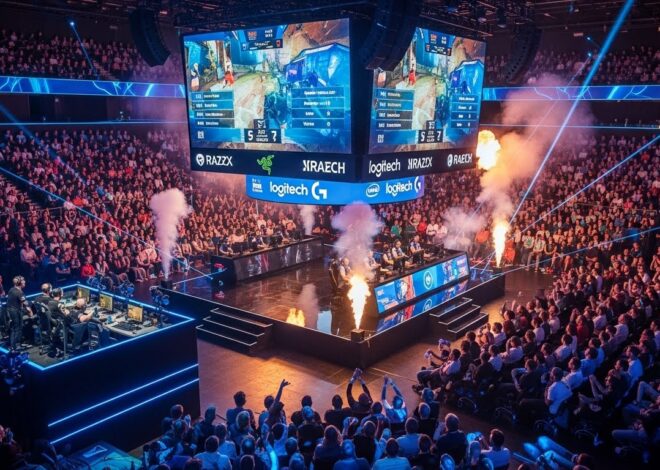
In the past decade, competitive gaming, commonly known as esports, has transformed from a niche hobby into a global phenomenon. What once started as casual video game tournaments among friends has evolved into a multi-billion-dollar industry with professional leagues, sponsorships, and international fanbases. Esports is no longer just about playing games; it is about strategy, teamwork, mental agility, and entertainment. This blog explores the rise of esports, its economic impact, its cultural significance, and the opportunities it offers to players and audiences alike.
The Evolution of Esports
Esports has its roots in the early days of arcade gaming and computer competitions. In the late 1970s and 1980s, video game competitions were small and localized, often held in arcades or college campuses. Titles like Space Invaders and Pac-Man laid the foundation for competitive gaming. By the 1990s, the rise of personal computers and the internet allowed gamers to compete globally, with games such as Quake and StarCraft becoming early esports staples. South Korea, in particular, played a pivotal role in professionalizing esports, creating a structured competitive environment and integrating esports into mainstream media.
The 2000s marked a shift toward online gaming, which expanded access and created global communities. Multiplayer online battle arena (MOBA) games like League of Legends and first-person shooters like Counter-Strike attracted millions of players and viewers. Streaming platforms further accelerated growth, enabling fans to watch competitions live and interact with players in real time. This evolution signifies how esports has matured from informal gatherings to a structured, professional, and entertainment-driven industry.
The Popularity of Esports
Esports’ popularity is driven by accessibility, entertainment value, and community engagement. Unlike traditional sports that require physical prowess, esports can be played by anyone with a computer or gaming console and an internet connection. This inclusivity allows people from different countries, ages, and backgrounds to participate.
Live streaming platforms have made watching esports a social experience. Fans can follow their favorite players, cheer for teams, and engage in discussions during live matches. The spectator experience is enhanced with expert commentary, player interviews, and professional production quality, making esports as captivating to watch as traditional sports. Additionally, the rise of influencers and content creators in the gaming world has introduced esports to broader audiences, increasing its reach exponentially.
Economic Impact of Esports
Esports is now a significant contributor to the global economy. According to industry estimates, the esports market generates billions of dollars annually through sponsorships, advertising, merchandise, ticket sales, and media rights. Major brands across technology, apparel, and even non-endemic sectors invest heavily in esports, recognizing its ability to reach young, digitally-savvy audiences.
Professional players earn substantial incomes through salaries, tournament winnings, and endorsements. Teams operate like traditional sports franchises, hiring coaches, analysts, and managers to optimize performance. Additionally, esports events generate tourism revenue, as fans travel to attend tournaments in major cities worldwide. This economic footprint demonstrates that esports is not just entertainment but a robust industry with diverse revenue streams.
Esports as a Career Path
While competitive gaming may seem like an unconventional career, esports offers legitimate professional opportunities. Professional players dedicate hours daily to practice, strategy, and teamwork, similar to traditional athletes. Careers in esports are not limited to playing; they include roles such as game analysts, content creators, coaches, event organizers, and marketing specialists.
Moreover, colleges and universities worldwide are now offering esports scholarships, recognizing the skill, discipline, and strategic thinking required to excel. This institutional support legitimizes esports as a viable career option and helps players develop professional skills both inside and outside gaming.
Cultural Significance and Community
Esports is more than a competitive activity; it is a cultural movement. It fosters communities where people share a passion for gaming, collaborate on strategies, and celebrate achievements together. Online forums, fan clubs, and social media platforms allow players and fans to connect, exchange ideas, and build friendships that transcend borders.
Esports also reflects contemporary culture, blending technology, entertainment, and social interaction. Many players use games to express creativity, develop problem-solving skills, and explore narratives. Additionally, esports has influenced mainstream media, inspiring documentaries, movies, and TV shows that showcase competitive gaming and its personalities. This cultural integration highlights esports as a key element of modern digital life.
Challenges Facing the Esports Industry
Despite its growth, esports faces several challenges. Mental and physical health is a concern for professional players, as intense practice schedules can lead to burnout, stress, and repetitive strain injuries. The industry also faces issues related to diversity and inclusivity, as certain games and communities have been criticized for toxicity, harassment, and underrepresentation of women and minorities.
Regulation and standardization are other areas of concern. Unlike traditional sports with long-established governing bodies, esports lacks uniform rules across games and regions. This can create discrepancies in competition standards, prize distribution, and player contracts. Addressing these challenges is crucial for sustainable growth and professionalism in esports.
Technological Advancements Driving Esports
Technology plays a central role in the growth of esports. High-speed internet, powerful gaming hardware, and advanced streaming platforms allow seamless gameplay and live broadcasts to millions of viewers. Virtual reality (VR) and augmented reality (AR) are emerging technologies that could further enhance the esports experience, creating immersive environments for players and spectators.
Artificial intelligence and data analytics are also shaping competitive gaming. Teams use AI-driven insights to analyze opponents’ strategies, optimize performance, and improve training routines. These technological advancements not only elevate the level of competition but also make esports more engaging and dynamic for audiences.
The Future of Esports
The future of esports looks promising, with continuous growth and innovation on the horizon. Expanding mobile gaming markets, emerging regions with growing gamer populations, and the integration of esports into mainstream media suggest a bright trajectory. Traditional sports organizations are investing in esports teams, bridging the gap between digital and physical sports.
Educational initiatives, professionalization, and improved health support for players will likely enhance the credibility and sustainability of esports. Furthermore, the blending of esports with entertainment, social interaction, and technology ensures that it will continue to attract audiences and players worldwide. Esports is not just a trend; it is a long-term shift in how people engage with gaming, competition, and digital culture.
Conclusion
Esports has evolved from simple video game competitions into a global industry that blends competition, entertainment, culture, and technology. Its growth reflects changing societal attitudes toward gaming and the increasing influence of digital platforms in everyday life. With economic opportunities, professional career paths, and an engaged global community, esports represents a transformative force in the entertainment landscape.
As the industry continues to expand, addressing challenges such as player health, inclusivity, and regulation will be crucial to sustaining its momentum. The rise of esports demonstrates that gaming is no longer a solitary hobby but a dynamic, competitive, and culturally significant phenomenon that continues to redefine how we play, watch, and experience games in the digital era. For players, fans, and industry stakeholders alike, esports offers a world of opportunity, excitement, and innovation.