Esports Revolution: How Competitive Gaming Became a Global Phenomenon
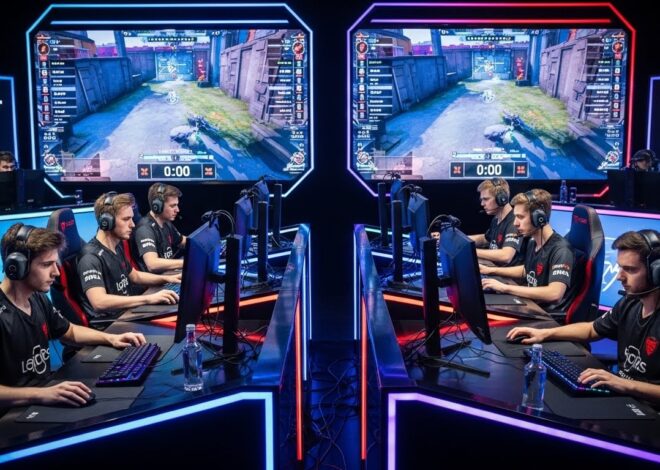
The world of competitive gaming has undergone a radical transformation over the past two decades. What was once considered a niche hobby for a handful of enthusiasts has now evolved into a multi-billion-dollar industry known as esports. With massive tournaments, professional players, global audiences, and lucrative sponsorships, esports is no longer just a pastime—it is a cultural and economic powerhouse. In this article, we explore the rise of esports, the dynamics of the industry, the challenges it faces, and its potential future.
The Origins of Esports
Esports, short for electronic sports, has its roots in the early days of video gaming. In the late 1970s and 1980s, arcade competitions became popular, with players gathering to compete for high scores on games like Space Invaders and Pac-Man. These tournaments were mostly local and informal, yet they laid the foundation for the competitive gaming culture we see today. The 1990s marked a significant turning point with the advent of multiplayer games such as Quake and StarCraft. Online connectivity allowed players from different regions to compete against each other, creating a global community of gamers who shared not only a passion for gaming but also a competitive spirit.
The Rise of Professional Gaming
The early 2000s witnessed the professionalization of esports. Players began forming teams, signing contracts, and competing for substantial prize money. South Korea emerged as a hub for professional gaming, particularly with the success of StarCraft: Brood War. Gaming was no longer a hobby—it became a legitimate career path. The establishment of esports leagues, such as the Cyberathlete Professional League, and the increased coverage of gaming events helped solidify esports as an industry. Players were now celebrities, and competitions were broadcast on television and online platforms, attracting millions of viewers worldwide.
Popular Esports Titles
Today, esports encompasses a wide variety of game genres, each with its unique competitive scene. Multiplayer Online Battle Arena games, such as League of Legends and Dota 2, are among the most popular. These games demand strategic thinking, teamwork, and precise execution, attracting both players and viewers alike. First-Person Shooter games, such as Counter-Strike: Global Offensive and Call of Duty, focus on reflexes, aim, and coordination, offering high-octane action for fans. Battle Royale games like Fortnite and PUBG have also captured global attention with their fast-paced gameplay and mass appeal. Sports simulations, including FIFA and NBA 2K, bridge the gap between traditional sports and gaming, appealing to fans of both realms. Each of these games contributes to the diversity and richness of the esports ecosystem.
The Business of Esports
The esports industry has evolved into a complex and lucrative business. Revenue streams include sponsorships, advertising, merchandise, ticket sales for live events, and media rights. Major brands recognize the immense potential of esports audiences, which are often younger, tech-savvy, and highly engaged. Sponsorship deals with gaming peripherals, energy drinks, and apparel brands have become commonplace. Streaming platforms, such as Twitch and YouTube Gaming, provide a direct connection between players and audiences, generating revenue through subscriptions, donations, and advertisements. Tournament organizers, including Riot Games and Valve, offer multi-million-dollar prize pools, further legitimizing esports as a professional field. The economic growth of esports is staggering, with some estimates projecting the industry to surpass ten billion dollars in the coming years.
The Role of Streaming and Content Creation
Streaming has played a pivotal role in the expansion of esports. Platforms like Twitch, YouTube Gaming, and Facebook Gaming allow players to broadcast their gameplay live, interacting with audiences in real-time. This interactivity transforms spectators from passive viewers into active participants, fostering a sense of community and engagement. Popular streamers and content creators often have massive followings, influencing gaming trends and shaping the esports culture. Content creation also serves as an additional revenue source for players, teams, and brands. Tutorials, highlight reels, and behind-the-scenes videos not only entertain audiences but also educate aspiring players, nurturing the next generation of talent.
Global Esports Events
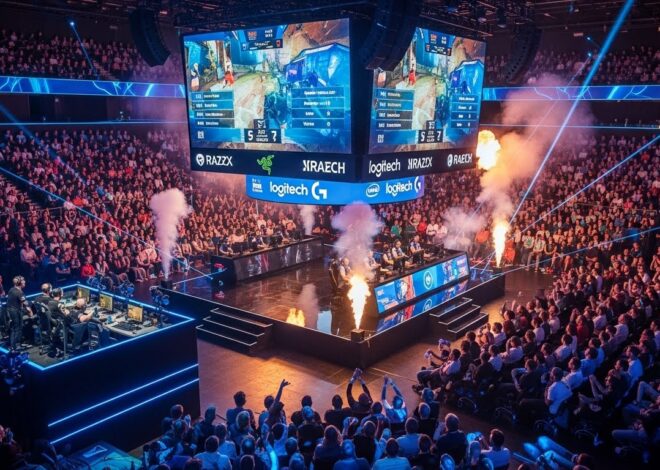
Esports tournaments have become major spectacles, rivaling traditional sports events in scale and popularity. International competitions like the League of Legends World Championship, The International for Dota 2, and the Fortnite World Cup attract millions of viewers from around the globe. These events are often held in large arenas with elaborate stage setups, professional commentary, and live audiences, creating an electrifying atmosphere. The sense of national pride and regional rivalry further elevates the excitement. These tournaments are not just about gameplay; they are cultural experiences, combining entertainment, fandom, and competition in a unique way. The global reach of esports has also encouraged cross-cultural exchanges and collaboration, contributing to a more connected gaming community.
Esports and Education
Esports is also making its way into education. Many universities now offer esports scholarships, varsity teams, and dedicated programs for gaming management and development. This integration into educational institutions highlights the growing recognition of esports as a legitimate career path. Students benefit not only from the opportunity to compete but also from skills development in areas such as teamwork, strategy, communication, and technology. Esports clubs in schools and colleges help foster inclusivity, offering students a platform to connect with peers who share similar interests. This educational angle also challenges traditional perceptions of gaming, showing that it can be both academically enriching and socially engaging.
Health and Well-being in Esports
While esports offers exciting opportunities, it also presents unique health challenges. Professional gamers often spend long hours training and competing, which can lead to physical issues such as eye strain, repetitive stress injuries, and posture-related problems. Mental health is equally important, as the pressure to perform at high levels can cause stress, anxiety, and burnout. Fortunately, awareness of these issues is increasing. Teams now employ coaches, nutritionists, and psychologists to support players’ overall well-being. Training regimens often include physical exercise, mindfulness practices, and proper ergonomics to ensure longevity in players’ careers. Promoting a balanced lifestyle within esports is essential for sustainable growth in the industry.
The Future of Esports
The future of esports appears brighter than ever. Advances in technology, such as virtual reality and augmented reality, promise to redefine the gaming experience, making competitions even more immersive. Mobile esports is on the rise, particularly in regions like Asia, where mobile gaming dominates. With broader global access, esports has the potential to reach even more diverse audiences. Additionally, mainstream recognition of esports as a legitimate sport is gaining momentum, with discussions around inclusion in multi-sport events and even the Olympics. As the industry continues to grow, the lines between traditional sports, entertainment, and digital culture will continue to blur, creating new opportunities for innovation and engagement.
Challenges Facing the Esports Industry
Despite its remarkable growth, esports faces several challenges. The lack of standardized regulations and governance across regions can lead to inconsistencies in competition rules, player contracts, and prize distribution. Cheating and match-fixing remain concerns, threatening the credibility of esports tournaments. Inclusivity is another challenge, as gender representation and diversity within professional gaming are still limited. Additionally, balancing monetization with audience satisfaction can be tricky, as over-commercialization may alienate fans. Addressing these challenges is crucial to ensure the long-term sustainability and integrity of the industry.
Conclusion
Esports has transformed from a small-scale hobby into a global phenomenon, captivating millions of players and fans worldwide. With professional leagues, major tournaments, and thriving online communities, it has become a legitimate industry offering career opportunities, entertainment, and cultural influence. However, like any growing field, esports faces challenges that must be addressed to maintain its credibility and inclusivity. As technology evolves and audiences expand, esports is poised to redefine the future of competitive entertainment, proving that digital competition can be as thrilling, prestigious, and impactful as traditional sports. The revolution of esports is not just about games—it is about a new era of global connectivity, creativity, and competition.