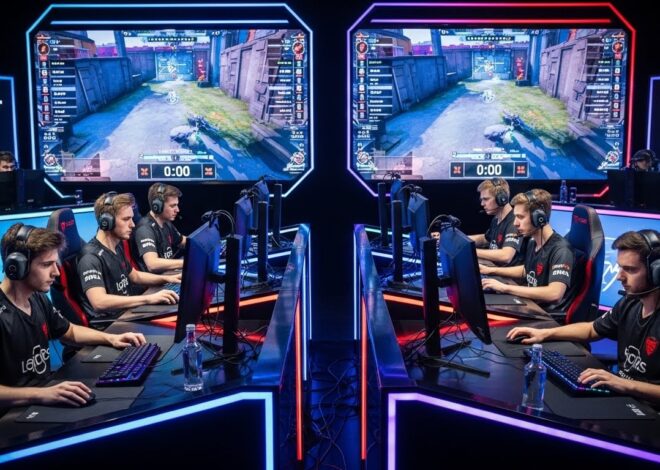
The Rise of Esports: How Competitive Gaming Became a Global Phenomenon
Introduction: A New Era of Competition
Over the last decade, the world of competitive gaming, commonly known as esports, has transformed from a niche hobby into a global phenomenon. Once regarded as a pastime for teenagers in dimly lit basements, esports is now an industry boasting multi-million-dollar tournaments, professional athletes, and a fan base that rivals traditional sports. The evolution of esports reflects not just technological advancement, but also a cultural shift in how people perceive competition, entertainment, and community.
Understanding Esports: More Than Just Games
Esports, short for electronic sports, involves organized, competitive video gaming where players and teams face off in various titles. Popular games like League of Legends, Dota 2, Counter-Strike: Global Offensive, and Fortnite have become household names, attracting players and spectators worldwide. Unlike casual gaming, esports requires strategic thinking, teamwork, quick reflexes, and mental resilience. It is a fusion of athleticism and technology, demanding the same level of dedication and discipline found in traditional sports.
The ecosystem of esports is vast. It includes professional leagues, amateur competitions, streaming platforms, sponsorship deals, and fan engagement. Each element contributes to making esports a multi-faceted industry that thrives on skill, entertainment, and community involvement.
The Growth of Esports as an Industry
The financial growth of esports is nothing short of remarkable. In the early 2000s, competitive gaming tournaments were small-scale events with modest prizes. Today, tournaments offer prize pools reaching tens of millions of dollars. Major events, such as The International for Dota 2 or the League of Legends World Championship, attract millions of viewers worldwide, both online and in arenas.
Sponsorships and brand partnerships play a critical role in the industry’s expansion. Global brands recognize the value of reaching the esports audience, which is predominantly young, tech-savvy, and highly engaged. This has led to lucrative contracts for teams, players, and event organizers, further legitimizing esports as a professional career path.
Professional Players: The New Sports Stars
The rise of esports has created a new category of professional athletes. Players train rigorously, often dedicating eight to twelve hours a day to practice, strategy, and physical fitness to maintain peak performance. Just like traditional athletes, esports professionals rely on nutrition, mental conditioning, and teamwork to excel.
Famous esports players have gained celebrity status, building massive followings on social media and streaming platforms. Their influence extends beyond gaming, shaping trends, fashion, and entertainment culture. In some cases, esports players are among the highest-paid athletes globally, highlighting the financial potential of this industry.
The Role of Streaming and Content Creation
Streaming platforms have played a pivotal role in the growth of esports. Services that allow live broadcasts of gameplay have turned players into entertainers and spectators into active participants in the gaming community. Platforms such as Twitch and YouTube Gaming have become central hubs where fans watch tournaments, learn strategies, and interact with players.
Content creation is not limited to live streaming. Tutorials, commentary videos, and behind-the-scenes documentaries help cultivate a sense of community. They also provide aspiring players with insights into professional gaming, making esports more accessible to a broader audience.
Esports and Global Community Building
One of esports’ most remarkable aspects is its ability to bring together people from diverse backgrounds. Unlike traditional sports, where geographical location can limit participation, esports allows individuals from anywhere in the world to compete and collaborate. Online tournaments, forums, and fan groups foster a sense of belonging and shared passion among gamers globally.
Esports also encourages diversity and inclusion. Players of different genders, nationalities, and ages participate on an equal footing, with success determined primarily by skill and dedication. This global, inclusive environment distinguishes esports as a modern form of competition, reflective of today’s interconnected world.
Educational and Career Opportunities in Esports
The professionalization of esports has opened new educational and career pathways. Universities now offer scholarships for esports athletes, and courses in game design, esports management, and digital marketing are increasingly popular. The industry’s growth has created a demand for professionals in coaching, event management, broadcasting, and analytics.
Students and aspiring professionals can pursue careers beyond playing competitively. Analysts, commentators, tournament organizers, and marketing specialists are integral to the esports ecosystem. This expansion of career opportunities highlights esports’ legitimacy as a multifaceted industry with long-term potential.
Challenges Facing the Esports Industry
Despite its rapid growth, esports faces several challenges. Mental and physical health is a significant concern for professional players due to the intense training and travel schedules. Issues such as burnout, stress, and repetitive strain injuries require attention and preventive measures.
Another challenge is standardization. Unlike traditional sports with governing bodies and universally accepted rules, esports is still developing consistent regulations. This can lead to disputes in tournament organization, player contracts, and fairness in competition. Additionally, ensuring inclusivity and combating toxicity in online gaming communities remains an ongoing struggle.
Esports and Technology: A Symbiotic Relationship
Technology is at the heart of esports. Advancements in internet infrastructure, gaming hardware, and software have made competitive gaming more immersive and accessible. High-speed connectivity allows real-time multiplayer experiences, while powerful graphics engines provide visually stunning gameplay.
Virtual reality and augmented reality are also poised to transform the esports landscape. These technologies can create more interactive and engaging experiences for players and spectators alike, potentially redefining what it means to compete in digital environments.
The Cultural Impact of Esports
Esports is more than a competitive activity; it is a cultural movement. It has influenced music, fashion, and entertainment, blending elements of traditional pop culture with gaming. Major tournaments are broadcast with production quality rivaling conventional sports events, complete with celebrity hosts, elaborate stage designs, and live audiences.
Moreover, esports has altered how people socialize and consume entertainment. Gaming communities function as social networks where friendships are formed, skills are shared, and fans celebrate their favorite teams collectively. This cultural impact demonstrates that esports is not merely entertainment—it is a lifestyle.
The Future of Esports
The future of esports looks promising. Industry projections indicate continued growth in audience size, revenue, and global reach. Integration with emerging technologies, expansion into new markets, and increased mainstream acceptance suggest that esports will become an even more prominent part of the entertainment landscape.
However, sustainable growth will depend on addressing key challenges, such as player welfare, community management, and regulatory consistency. As the industry matures, a balance between commercialization and maintaining the authenticity of competitive gaming will be crucial.
Conclusion: Esports as a Transformative Force
Esports represents a transformative shift in how society perceives competition, entertainment, and community. What began as a niche pastime has evolved into a professional, global industry that blends athleticism, strategy, and technology. Its impact is cultural, economic, and social, creating opportunities for players, content creators, and fans alike.
As esports continues to grow, it will redefine traditional notions of sports and entertainment, proving that skill, dedication, and passion can thrive in the digital age. The rise of esports is more than a trend—it is a revolution, reshaping the way we play, watch, and engage with games around the world.