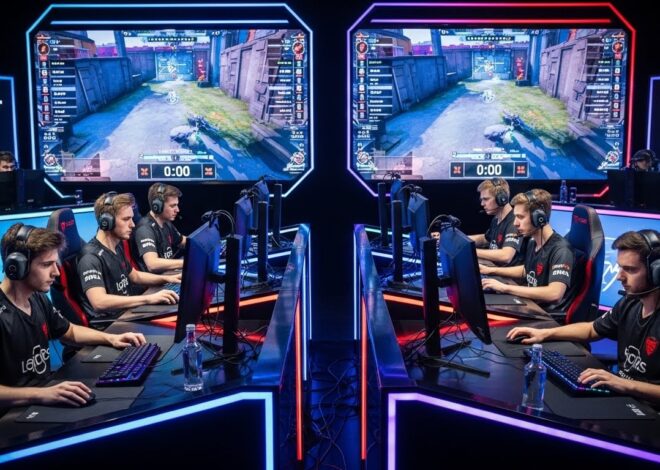
The Rise of eSports: A New Era of Competition and Community
In the past decade, one of the most transformative phenomena in the world of entertainment and sports has been the rise of eSports. What was once a niche hobby has blossomed into a global industry, drawing millions of fans and creating opportunities for professional gamers, organizations, and even large-scale tournaments that rival traditional sports in popularity and revenue. From the grassroots level of local tournaments to the massive stages of the League of Legends World Championship and The International (Dota 2), eSports is no longer a fringe activity but a cultural force in its own right.
In this blog, we will explore the world of eSports: how it has grown, the factors that have contributed to its success, its impact on traditional sports and entertainment, and what the future holds for this exciting new era of competition.
What Is eSports?
At its core, eSports refers to competitive video gaming. Players or teams compete against one another in popular video games, often in tournaments with cash prizes, sponsorships, and media coverage. While casual gaming has been a part of video game culture since the 1980s, the rise of eSports brings a much more structured and professional approach to competitive gaming.
The term “eSports” encompasses a wide range of games, including multiplayer online battle arena games (MOBA), first-person shooters (FPS), real-time strategy games (RTS), and sports simulation games. Some of the most popular eSports titles include:
- League of Legends (LoL)
- Dota 2
- Counter-Strike: Global Offensive (CS:GO)
- Fortnite
- Overwatch
- Call of Duty
These games are played at a professional level in organized tournaments and leagues, with many players dedicating their lives to becoming the best in their respective titles.
The Growth of eSports: A Cultural Phenomenon
The growth of eSports can be attributed to several factors that have played a crucial role in propelling it from a subculture to a global industry. The biggest driver has been the rise of streaming platforms, notably Twitch and YouTube Gaming, which have allowed eSports events and players to reach massive audiences.
The Role of Streaming Platforms
Streaming services have revolutionized how fans engage with eSports. These platforms enable fans to watch live broadcasts of eSports competitions in real time, interact with other viewers through chat rooms, and follow their favorite players.
Twitch, in particular, has emerged as the most popular streaming platform for gamers, with millions of active viewers tuning in to watch top-tier competitions and casual streams. eSports tournaments, such as League of Legends World Championships and The International, are streamed live on Twitch, often attracting millions of viewers globally.
Moreover, platforms like YouTube Gaming have expanded the reach of eSports, allowing for recorded highlights, behind-the-scenes content, and post-event analysis. With the ability to watch events live or on-demand, fans can engage with eSports content more flexibly than ever before.
Access to Online Communities
The internet has created a thriving global community of eSports fans and players. Online gaming forums, fan sites, and social media platforms provide fans with a space to connect, share strategies, and discuss upcoming events. This sense of community is crucial to the success of eSports, as it cultivates an environment where both players and fans feel a deep sense of involvement.
eSports players have also become celebrities in their own right, with fan followings similar to traditional sports stars. Many players have massive social media followings on platforms like Twitter, Instagram, and TikTok, further growing their brands and increasing their fan engagement.
The Role of Sponsorship and Investment
Another key factor in the growth of eSports is the influx of sponsorships and investments from traditional industries. Large companies, such as Coca-Cola, Intel, Nike, and Red Bull, have recognized the potential of eSports and have invested heavily in sponsoring teams, events, and even individual players. This has helped legitimize the industry, bringing financial stability and widespread recognition.
Major broadcasting companies, such as ESPN and TBS, have also entered the eSports space, broadcasting tournaments and events to wider audiences. The mainstream media’s involvement in eSports further legitimizes its status as a sport and an entertainment industry.
eSports and Traditional Sports: A Growing Intersection
One of the most fascinating aspects of eSports is its growing intersection with traditional sports. As the popularity of eSports continues to rise, many traditional sports organizations have taken notice and begun to embrace the digital revolution.
Traditional Sports Teams Entering eSports
A growing number of traditional sports franchises, including those from basketball, football, and soccer, have entered the eSports scene by either creating their own teams or partnering with existing eSports organizations. For example, teams like Fnatic and Cloud9 have been supported by investors and executives from traditional sports teams. Additionally, the NBA has launched its own eSports league, the NBA 2K League, bringing together professional basketball organizations and digital gaming.
These crossovers bring a level of credibility and professional management to the eSports world that was once missing, as established organizations bring their experience with branding, marketing, and fan engagement into the digital space. This growing collaboration demonstrates how eSports is being taken more seriously as a mainstream form of competition.
eSports and Its Influence on Fan Engagement
Fans of traditional sports are increasingly drawn to eSports because of the shared excitement and competition. Just as in traditional sports, fans support their favorite players and teams, celebrate victories, and experience the thrill of competition. The rise of live-streaming platforms and social media has also made it easier for fans to engage with their favorite eSports stars, attend virtual events, and even participate in online communities.
In many ways, the fan experience in eSports is more interactive than in traditional sports. Fans can directly communicate with players via streams, participate in live chats, and even have their voices heard during broadcasts. This creates a deeper, more personal connection between players and their fanbase.
eSports as a Career Path: The Rise of Professional Gamers
The idea of making a career out of playing video games has become increasingly viable. Professional gamers today make significant income from tournament prizes, sponsorships, streaming, and content creation. In fact, top-tier eSports athletes can earn millions of dollars annually, with the most successful players often being household names in the gaming community.
While traditional sports players typically follow a well-established career trajectory, the path to becoming a professional gamer is less conventional. Players start young, often in their teens, and work their way up through amateur tournaments before being recruited by major eSports organizations. Becoming a professional gamer requires more than just natural talent—it involves hours of practice, strategic thinking, and teamwork.
Some of the most famous players in eSports include:
- Faker (League of Legends)
- N0tail (Dota 2)
- s1mple (CS:GO)
- Shroud (various FPS games, now a streamer)
These athletes represent the pinnacle of success in eSports, and they have cultivated large followings across social media platforms. Their success proves that gaming is no longer just a hobby but a legitimate career choice, and the demand for eSports professionals is only expected to grow.
The Future of eSports
The future of eSports looks incredibly bright. With the ongoing growth of streaming platforms, sponsorships, and media coverage, eSports will continue to evolve into a major industry with its own set of trends and innovations.
Technological Advancements
As technology continues to evolve, so will the experience of eSports. Virtual reality (VR) and augmented reality (AR) are already beginning to find their place in competitive gaming, offering new ways to experience games. In the future, we may see immersive experiences that allow fans to feel like they’re right in the middle of the action.
Additionally, advancements in internet speed, gaming hardware, and artificial intelligence could lead to even more competitive and high-quality gaming experiences, further pushing the boundaries of what’s possible in the eSports world.
Global Expansion
While eSports is already a global phenomenon, it is expected to expand even further into emerging markets. Countries like China, India, and Brazil have shown significant interest in eSports, and local tournaments and leagues are gaining in popularity. As eSports continues to grow internationally, new talent and new audiences will emerge, further strengthening the global eSports ecosystem.
Inclusion and Diversity
One exciting aspect of eSports is its potential for inclusion and diversity. Unlike traditional sports, which may have barriers related to physical ability, eSports is accessible to a wide range of individuals, including those with disabilities. In the future, we could see more efforts to make eSports more inclusive, with a greater focus on creating opportunities for underrepresented groups and people from diverse backgrounds.
Conclusion
eSports is no longer a fleeting trend; it has become a cultural and economic powerhouse with a bright future ahead. As the industry continues to grow, it is reshaping the way we think about competition, entertainment, and community. From professional gamers making millions to casual players coming together to cheer on their favorite teams, eSports is proving that gaming is more than just a hobby—it’s a global phenomenon that’s here to stay.