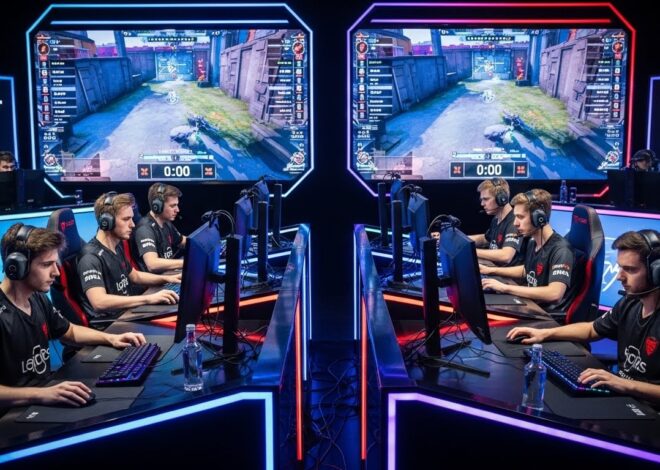
The Rise of Digital Champions: How Esports Became a Global Powerhouse
Introduction
Esports, short for electronic sports, has grown from a niche hobby into a global entertainment phenomenon. What was once a small community of passionate gamers competing in casual tournaments has transformed into a billion-dollar industry watched by millions worldwide. Esports is no longer just about playing games; it represents competition, teamwork, strategy, technology, and culture all converging in dynamic and exhilarating ways. In this comprehensive blog, we explore the evolution of esports, its cultural significance, economic impact, and the factors that have propelled it to international stardom.
The Early Days of Competitive Gaming
Competitive gaming began long before esports became a recognized industry. In the early days of arcade machines and home consoles, players enjoyed challenging one another to achieve the highest scores. These friendly competitions laid the groundwork for organized tournaments.
As computers advanced and online connectivity improved, multiplayer games became increasingly popular. Titles that allowed real-time battles, strategy, or collaboration created communities of skilled players who were eager to test their abilities. Although the competitive infrastructure was not yet formalized, the seeds of modern esports were already planted.
The Evolution Into Organized Esports
The transition from informal competitions to organized esports began in the late twentieth and early twenty-first centuries. PC gaming played a major role, as games with deep strategy and multiplayer features attracted serious competitors. Developers started supporting tournaments, and gaming communities formed leagues and ladders to track rankings.
Esports gained momentum when large tournaments began offering significant prize pools. These events attracted talented players from around the world, leading to professional teams, organized training routines, and dedicated fanbases. Games across various genres, including real-time strategy, first-person shooters, and multiplayer online battle arenas, found their place in the competitive ecosystem.
The Technology That Powers Esports
Technology is the backbone of esports. High-performance computers, advanced gaming consoles, stable internet connections, and sophisticated graphics engines enable players to compete at high speeds and precision.
Streaming technology has also revolutionized the esports landscape. Viewers can watch live tournaments, engage with commentators, and participate in global communities. This accessibility is a major factor behind the explosive growth of esports, making it easy for fans to follow their favorite players, teams, and games.
Advancements in virtual reality, cloud computing, and artificial intelligence promise to introduce even more immersive and interactive experiences in the future. As technology evolves, so does the potential of esports to reach new heights.
The Diverse Genres of Esports
Esports is not limited to a single type of game. Instead, it spans a wide variety of genres, each with its own competitive scene, strategies, and fan culture.
Strategy Games
These games emphasize decision-making, resource management, and tactical thinking. Competitors must react quickly while planning several steps ahead.
First-Person Shooters
This genre focuses on precision, reflexes, and teamwork. Competitive matches are fast-paced and demand exceptional hand-eye coordination.
Multiplayer Online Battle Arenas
These games center on strategic teamwork, unique character abilities, and complex tactics. They attract massive followings due to their depth and dynamic gameplay.
Sports Simulations and Racing Games
Simulated sports provide fans of traditional athletics a new way to enjoy competition through digital environments.
Fighting Games
These games require mechanical mastery, timing, and deep knowledge of characters and matchups, creating thrilling one-on-one battles.
The diversity of esports ensures that players of various interests and skill sets can find a competitive environment that suits them.
The Rise of Professional Esports Athletes
Esports athletes train and compete with the intensity of traditional sports professionals. They practice for hours each day, focusing on strategy, reflexes, communication, and mental resilience. Many belong to organized teams with coaches, analysts, and support staff who help refine gameplay and develop winning strategies.
Professional players participate in tournaments across the world, often traveling for competitions and boot camps. These athletes also engage with fans through streams, interviews, and social media. Their dedication, talent, and personalities contribute to the growing popularity of esports as a global entertainment force.
The Esports Fan Experience
Fans play a crucial role in the growth of esports. Enthusiasts watch competitions live, attend events, and support teams with merchandise and engagement. The excitement of esports lies not only in the gameplay but also in the stories of rivalries, underdogs, and heroic comebacks.
Online communities allow fans to connect, discuss strategies, and share their passion. Watching tournaments becomes a collective experience, where millions of people celebrate victories and analyze match strategies together. This vibrant fan culture brings energy to the esports world and fosters lasting connections.
The Economic Impact of Esports
Esports generates significant economic activity worldwide. The industry includes revenue from sponsorships, advertising, media rights, merchandise, ticket sales, and team branding. Companies from various sectors invest heavily in esports to reach young, digitally engaged audiences.
Esports also creates job opportunities beyond professional players. Commentators, analysts, event organizers, coaches, content creators, and game developers all contribute to the ecosystem. The growth of esports supports technological innovation and inspires new careers in gaming and digital media.
Esports in Education and Career Development
In recent years, esports has expanded into educational settings. Schools and universities offer esports clubs, courses, and even scholarships for talented players. These programs teach students teamwork, communication, leadership, and problem-solving skills that extend beyond gaming.
Esports also introduces students to career paths such as game design, broadcasting, marketing, and event management. The educational benefits show that esports is not just entertainment but an opportunity for personal and professional growth.
The Social and Cultural Influence of Esports
Esports is a cultural force that connects people across borders. It celebrates diversity, competition, and collaboration. Players from different backgrounds and nationalities compete on the same stage, demonstrating how gaming unites communities.
Esports influences music, fashion, streaming culture, and online trends. Many players become cultural icons, inspiring fans through their journeys and achievements. The lifestyle and aesthetics of esports continue to shape modern digital culture in powerful ways.
The Importance of Health and Well-Being in Esports
As esports becomes more demanding, wellness has become a major focus. Professional players and teams emphasize healthy habits, physical fitness, and mental resilience. Proper posture, hand care, sleep routines, and stress management are essential for long-term success.
Health professionals and trainers now work with esports athletes to ensure they maintain balance and avoid burnout. This focus on well-being reinforces the fact that esports requires discipline, professional preparation, and holistic care.
The Future of Esports
The future of esports is full of exciting possibilities. Advancements in virtual reality, augmented reality, and cloud gaming will create new competitive formats and immersive viewing experiences. Esports may expand into new genres, technologies, and international markets.
The integration of artificial intelligence could introduce sophisticated training tools, smarter matchmaking, and personalized competition experiences. As esports continues to evolve, it will attract even more players, fans, and partners, solidifying its place in global entertainment.
Esports is also poised to become a more inclusive space. Efforts to promote diversity, accessibility, and equal opportunities will shape a future where everyone can participate, regardless of background or experience.
Challenges Facing the Esports Industry
Despite its rapid growth, esports faces challenges such as player burnout, competitive fairness, and regulation. The fast-paced nature of the industry requires stable rules, ethical standards, and player protection. Ensuring the health and sustainability of esports will be critical as the industry continues to expand.
Developers, organizers, and governing bodies must collaborate to create environments that support player longevity, fair competition, and responsible growth. Addressing these challenges will help esports mature into a fully sustainable global industry.
Conclusion
Esports has transformed gaming into a worldwide competitive arena, offering excitement, strategy, and community on an unprecedented scale. It showcases the power of digital entertainment to unite people, celebrate talent, and inspire new forms of creativity.
From casual beginnings to international championships, esports continues to push boundaries and shape the future of modern entertainment. It combines technology, skill, passion, and storytelling into a single dynamic experience that resonates with millions.
As esports grows, it will remain a symbol of innovation and connection. It represents the drive to compete, the joy of teamwork, and the limitless potential of digital culture. The rise of esports is not just a trend—it is a movement that continues to redefine entertainment for a new generation of digital champions.