Digital Arenas: How Esports is Transforming Competition and Culture
Introduction: The Rise of Esports
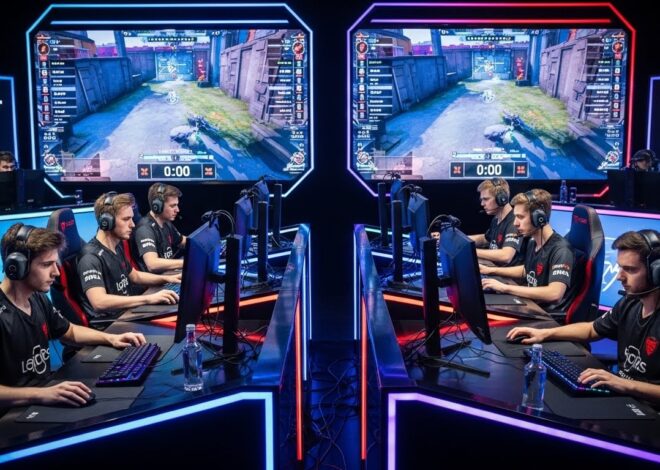
Esports, or electronic sports, has evolved from a casual hobby into a global cultural and professional phenomenon. What started as small competitions among friends playing arcade and computer games has now grown into a billion-dollar industry with professional leagues, international tournaments, and millions of viewers. Esports blends strategy, skill, teamwork, and entertainment in a way that rivals traditional sports. Its rapid rise reflects broader shifts in technology, media consumption, and global connectivity, offering new opportunities for players, fans, and businesses alike.
The Origins of Competitive Gaming
Competitive gaming dates back to the 1970s and 1980s, when early arcade games like Space Invaders, Pac-Man, and Donkey Kong sparked local tournaments. Players were celebrated for their high scores and dexterity, creating the first competitive gaming communities. With the advent of personal computers and early online networks, titles like StarCraft and Counter-Strike enabled larger-scale competitions, often crossing city and even national boundaries. These early developments laid the foundation for the structured esports leagues and tournaments we see today, demonstrating that competitive gaming could be both serious and entertaining.
The Evolution of Esports as an Industry
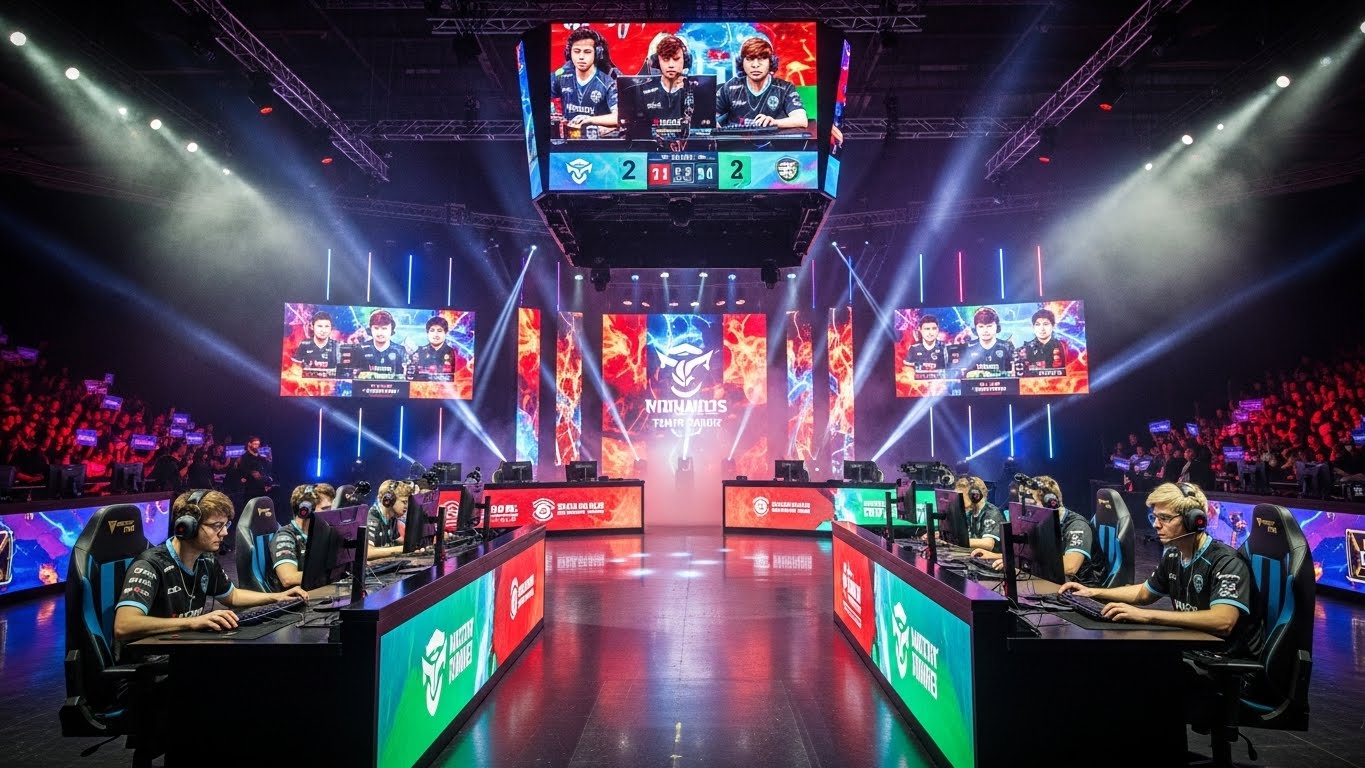
Esports has grown into a fully professionalized industry. Professional teams recruit players based on skill, teamwork, and consistency, often providing coaching, nutrition, and mental health support. Major titles like League of Legends, Dota 2, Counter-Strike: Global Offensive, and Fortnite dominate competitive circuits, drawing millions of fans and extensive media coverage. Tournament structures are now standardized with leagues, seasonal playoffs, and international championships, creating predictable schedules that mirror traditional sports. This professionalization has not only elevated player status but also transformed esports into a career path, attracting investments from sponsors, media companies, and tech firms.
Global Reach and Accessibility
One of esports’ most distinctive qualities is its global accessibility. Unlike traditional sports, which require physical infrastructure and specific geographic conditions, esports can be played anywhere with an internet connection. This has enabled players from diverse backgrounds to compete at international levels. Countries such as South Korea, China, and the United States have become hubs for professional gaming, producing top players and teams. Online streaming allows millions of fans worldwide to watch competitions live, creating a connected global community. Esports transcends borders, bringing together diverse cultures around shared passion and competition.
Esports as a Professional Career
For top players, esports is not just a hobby but a full-time profession. Training is rigorous, often spanning eight to twelve hours a day to refine reflexes, communication, and strategy. Professional players compete for salaries and prize pools that can reach millions of dollars. Beyond playing, esports offers careers in coaching, broadcasting, content creation, and game development. Teams and organizations invest heavily in their players’ well-being and performance, mirroring the support systems seen in traditional sports. This professionalization validates esports as a serious career path while attracting new generations of aspiring players.
The Role of Streaming and Digital Platforms
Streaming platforms like Twitch, YouTube Gaming, and other live broadcast services have been essential in popularizing esports. Fans can watch tournaments in real time, interact with players through chat, and follow personalities who share insights and gameplay strategies. Streamers themselves become influencers, building personal brands and connecting with audiences on a global scale. Digital platforms have democratized access to esports, making it possible for fans to engage, learn, and participate from anywhere. This interactivity has created a vibrant ecosystem where viewers are active participants rather than passive spectators.
Esports and Cultural Influence
Esports has become a significant cultural force, influencing fashion, music, social trends, and online communities. Gaming personalities and professional players often shape youth culture, inspiring fans to pursue competitive gaming or adopt gaming-related lifestyles. Esports has also sparked collaborations with music artists, fashion brands, and other entertainment sectors, blending digital gaming with broader cultural trends. The industry provides a platform for creativity and social connection, showing that esports is not just a game but a medium that impacts contemporary culture.
Psychological and Social Benefits of Esports
Engaging in esports offers numerous cognitive and social benefits. Competitive gaming enhances problem-solving, critical thinking, strategic planning, and reaction times. Team-based games foster collaboration, communication, and leadership skills, while also teaching resilience in the face of losses or setbacks. Socially, esports connects players with shared interests, often forming supportive online communities. For many participants, esports provides a sense of belonging, motivation, and mental stimulation, highlighting the value of gaming beyond entertainment.
Esports and Education
Educational institutions are increasingly recognizing the benefits of esports programs. Schools and universities now offer esports clubs, competitive teams, and scholarships, providing students with structured opportunities to develop skills both on and off the screen. Participation teaches time management, teamwork, communication, and discipline. Some programs also integrate esports into academic subjects, combining gaming with studies in technology, media, and business. By linking education with competitive gaming, students gain valuable skills while pursuing a passion that can lead to professional opportunities.
Economic Impact of Esports
Esports has become a major economic driver, generating billions of dollars through sponsorships, advertising, media rights, merchandise, and ticket sales for live events. Companies invest heavily in esports to reach younger, tech-savvy audiences, leveraging tournaments and content creators for brand exposure. Major events stimulate local economies through tourism, infrastructure development, and international recognition. The industry’s growth demonstrates the power of esports not only as entertainment but also as a significant contributor to the global economy.
Women in Esports
Historically, esports has been male-dominated, but female participation is growing steadily. Women are competing professionally, creating content, and taking leadership roles in teams and organizations. Increasing awareness of gender equality has led to inclusive initiatives, mentorship programs, and tournaments that celebrate diversity. Female players are gaining recognition, inspiring future generations to pursue competitive gaming. Greater inclusivity enriches the esports community, ensuring that talent and creativity are recognized regardless of gender.
Challenges in the Esports Industry
Despite its rapid growth, esports faces challenges. Player burnout, health issues related to extended screen time, and the pressure to perform at elite levels are common concerns. Maintaining competitive integrity is crucial, with cheating and unethical behavior posing ongoing risks. Regulatory frameworks are still developing, and recognition of esports as a legitimate sport varies across countries. Addressing these challenges requires a focus on mental health support, ethical management, and standardized governance to sustain long-term growth and professionalism.
The Future of Esports
The future of esports is full of possibilities. Emerging technologies such as virtual reality, augmented reality, and artificial intelligence are likely to transform gameplay, fan engagement, and event production. Esports may increasingly intersect with traditional sports, creating hybrid entertainment experiences. Globalization and digital platforms will continue connecting players and fans worldwide. Education, health, and business applications of esports are also expanding. The future promises greater accessibility, innovation, and recognition, positioning esports as a central component of modern culture and entertainment.
Conclusion: Esports as a Transformative Force
Esports has transformed competitive gaming into a global cultural and professional phenomenon. It combines skill, strategy, teamwork, and entertainment, creating experiences that captivate players and audiences alike. Beyond competition, esports fosters education, social connection, personal development, and economic growth. Its influence on culture and technology reflects a broader shift in how entertainment is consumed and appreciated. As esports continues to evolve, it will redefine the boundaries of sports, digital culture, and global competition, proving that the digital arena is as meaningful and impactful as traditional athletic fields.