Esports Evolution: How Competitive Gaming Became a Global Phenomenon
Esports has transformed from a niche hobby into one of the fastest-growing entertainment industries in the world. What was once confined to local gaming clubs and arcades is now a global phenomenon with professional teams, massive tournaments, and millions of viewers tuning in from every corner of the world. Competitive gaming has not only changed the way people play but has also reshaped the entertainment landscape, influencing culture, technology, and even career opportunities.
In this blog, we will explore the rise of esports, its impact on modern culture, the economics behind it, the lives of professional players, and the future prospects of this rapidly evolving digital sport.
The Origins of Esports: From Arcades to Online Battles
The roots of esports can be traced back to the late 1970s and 1980s when arcade competitions began gaining popularity. Players would compete for high scores in classic games like Pac-Man and Space Invaders, often earning recognition in their local communities. These early competitions laid the foundation for organized competitive gaming, emphasizing skill, strategy, and quick reflexes.
As technology progressed, home consoles and personal computers brought gaming into the living room. Titles like Street Fighter, StarCraft, and Quake began fostering competitive communities. Gamers started organizing local tournaments, and the first professional competitions began emerging. The real game-changer was the rise of online multiplayer gaming in the 1990s. For the first time, players could connect and compete across regions, creating the early framework for global esports.
The Professionalization of Competitive Gaming
Competitive gaming has evolved into a professional sport in the modern era. Games like League of Legends, Dota 2, Counter-Strike, and Overwatch created structured competitive formats, ranking systems, and international tournaments. These games demand skill, teamwork, and strategic thinking, which require professional-level dedication.
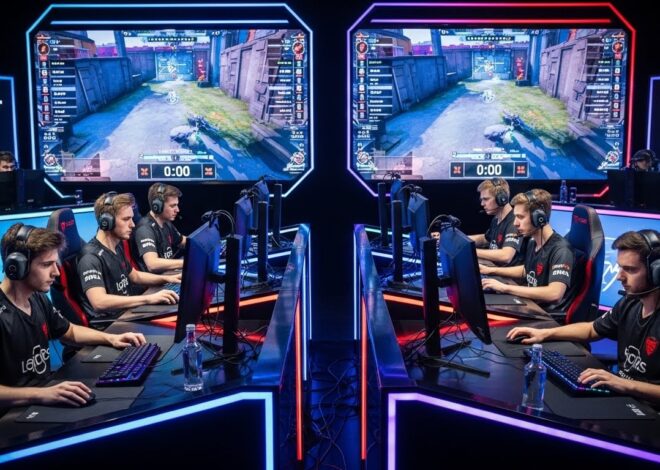
Professional esports players often train as rigorously as traditional athletes. They follow structured schedules, including practice matches, strategy sessions, and mental conditioning exercises. Teams have coaches, analysts, nutritionists, and psychologists to ensure optimal performance. This professionalization has attracted sponsors, investors, and media coverage, making esports a legitimate career path for talented individuals worldwide.
The Spectator Experience: Why Fans are Hooked
Esports has become as much about spectatorship as competition. Fans tune in to watch live events on streaming platforms, creating communities that discuss gameplay, strategies, and player performances. Major tournaments fill stadiums with thousands of fans, while millions more watch online.
The excitement comes not only from the high-level gameplay but also from the personalities of players and teams. Fans invest emotionally, rooting for their favorite teams and celebrating victories with global audiences. The competitive drama, the triumphs, and even the unexpected upsets create a compelling narrative that keeps viewers engaged and invested.
The Role of Streaming Platforms in Esports Growth
Streaming platforms such as Twitch and YouTube Gaming have revolutionized esports. They allow players to broadcast their gameplay in real-time, interact with fans, and build personal brands. Streamers have become celebrities in their own right, drawing attention not only to themselves but also to the games they play.
These platforms have democratized competitive gaming. Amateur players can gain visibility, fans can participate in interactive experiences, and content creators can monetize their channels. The interactive nature of streaming—through chat, donations, and live commentary—has strengthened the bond between players and audiences, making esports more accessible and engaging than traditional sports.
Economic Impact: Esports as a Billion-Dollar Industry
The esports industry is a multi-billion-dollar global enterprise. Revenue comes from sponsorships, advertising, media rights, merchandise, and tournament prize pools. Brands recognize the immense marketing potential of esports due to its young, engaged, and tech-savvy audience.
Tournaments alone generate significant revenue, with ticket sales, streaming ads, and sponsorship deals contributing to the overall ecosystem. Prize pools for top-tier competitions, such as The International in Dota 2, can exceed tens of millions of dollars. This financial growth has created opportunities not only for players but also for coaches, analysts, commentators, and production staff, solidifying esports as a viable professional industry.
The Lives of Professional Esports Players
Professional esports players lead demanding and highly structured lives. Their daily routines are intense, often including eight to twelve hours of practice, strategy analysis, and team coordination. Beyond in-game skills, players must maintain physical fitness, mental health, and emotional resilience.
Mental strength is particularly critical, as high-pressure competitions can be stressful. Players work with sports psychologists to handle anxiety, improve focus, and maintain peak performance. Nutrition and physical exercise are also emphasized to prevent fatigue and improve reflexes. These routines mirror those of traditional athletes, underscoring the professionalism required to compete at the highest levels.
Global Tournaments: Where Legends Are Made
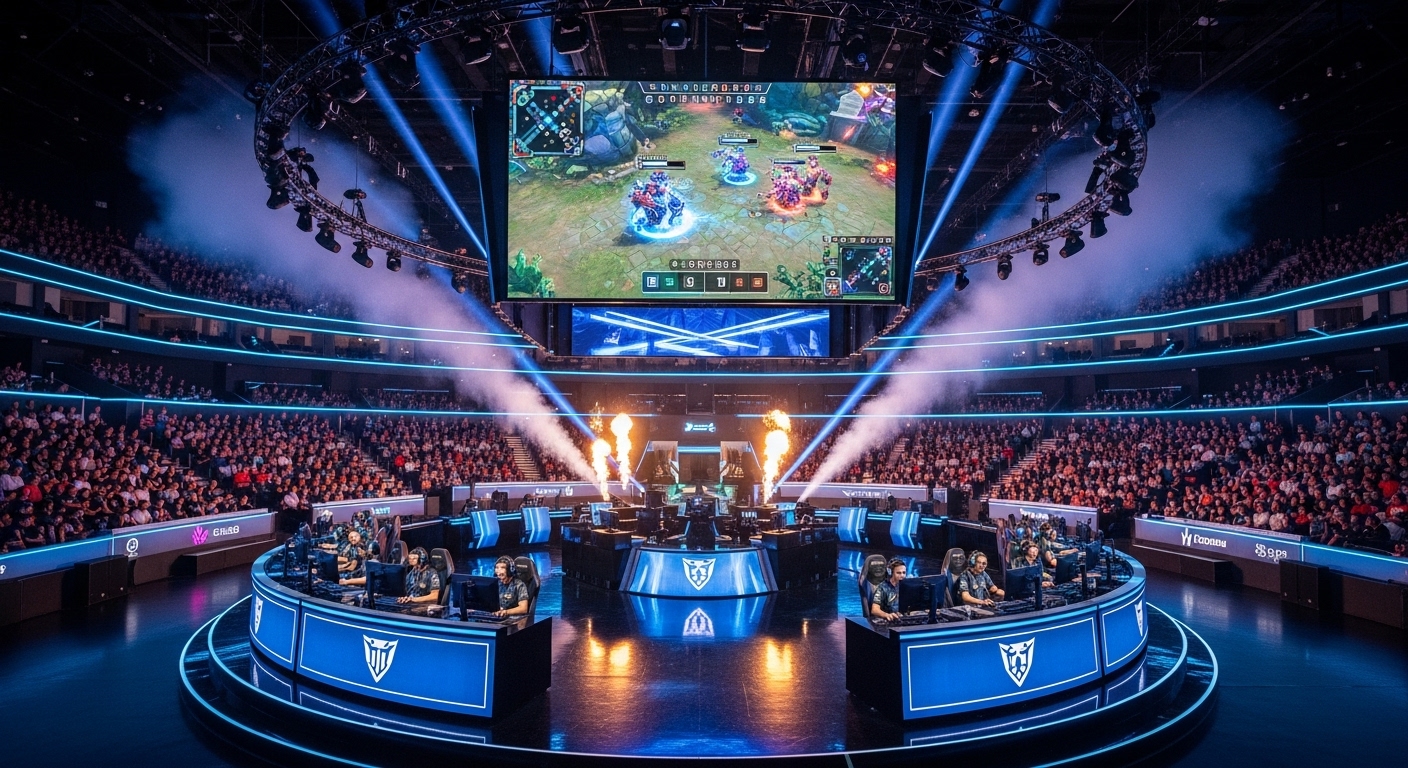
Major esports tournaments are not just competitions—they are global spectacles. Events like the League of Legends World Championship, The International for Dota 2, and the Fortnite World Cup attract millions of viewers worldwide. These tournaments feature elaborate production, live commentary, and high-stakes matches that rival traditional sports finals.
The global nature of esports allows players from different countries to compete on an equal footing, creating diverse international fanbases. Legendary plays and unforgettable moments are broadcast to millions, fostering a shared sense of excitement and community. These tournaments have turned esports into a cultural phenomenon with real-world impact, influencing fashion, music, and digital media.
Cultural Impact: Esports Beyond the Screen
Esports has influenced culture in profound ways. Gaming terminology, strategies, and personalities have entered mainstream conversations. Merchandise featuring teams and game characters is highly popular, and esports references appear in films, music, and television.
Educational institutions have begun recognizing esports, offering scholarships and programs for talented players. Some schools have established official esports teams, legitimizing gaming as a career path. Esports also fosters social connections, allowing people from different countries to collaborate, compete, and form friendships through shared gaming experiences.
Challenges Facing the Esports Industry
Despite its rapid growth, esports faces several challenges. Player burnout and mental health issues are common due to long practice hours and high-pressure environments. Ensuring fair competition is another challenge, with cheating, hacking, and unfair play threatening the integrity of tournaments.
Inclusivity is an ongoing issue. Women and minority players remain underrepresented in professional esports. Creating safe and supportive environments is essential for the long-term sustainability of the industry. Organizations are increasingly aware of these challenges and are implementing measures to address them, from mental health programs to diversity initiatives.
The Future of Esports
The future of esports is promising and filled with opportunities for innovation. Virtual reality and augmented reality technologies are set to transform the spectator experience and player performance. Mobile esports is expanding rapidly, especially in regions where high-end PCs are less accessible.
Educational and professional pathways in esports continue to grow. Universities offer scholarships, professional training programs, and coaching academies, creating a structured ecosystem for aspiring players. As esports matures, it is likely to achieve even greater mainstream recognition and influence, solidifying its place alongside traditional sports and entertainment industries.
Esports and Technology: Driving Innovation
Esports is closely intertwined with technology. High-performance gaming hardware, fast internet connections, and advanced streaming tools are essential to professional gameplay. Developers constantly update games to maintain balance, improve spectator experience, and encourage competitive play.
Artificial intelligence and data analytics are also becoming important. Teams use performance metrics, gameplay analytics, and strategy simulations to refine tactics and train players more effectively. As technology advances, esports will continue to innovate, offering new ways for players and fans to engage with competitive gaming.
Conclusion: Esports as a Global Cultural Phenomenon
Esports has evolved from local competitions and casual gaming into a global industry with professional players, massive tournaments, and cultural influence. It bridges entertainment, technology, and human connection in unique ways, offering players and fans opportunities to participate in a shared digital experience.
The rise of esports has redefined competition, challenged traditional notions of sports, and created a vibrant ecosystem of creativity and innovation. With expanding audiences, technological advancements, and increasing mainstream recognition, esports is poised to continue shaping the future of entertainment, inspiring millions worldwide, and establishing itself as one of the defining cultural phenomena of the twenty-first century.