Esports Evolution: From Pixels to Global Arenas
Understanding Esports: More Than Just Gaming
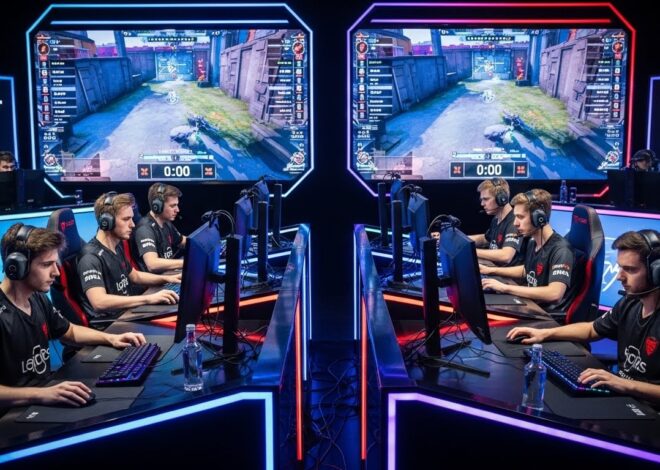
In the past two decades, esports has transformed from a casual hobby into a multi-billion-dollar industry with a global audience. Often misunderstood as simple gaming, esports represents competitive video gaming at a professional level, where individual players or teams compete in various game genres including first-person shooters, multiplayer online battle arenas, real-time strategy games, and sports simulations.
Esports is not merely about entertainment; it is about skill, strategy, and teamwork. Players dedicate countless hours mastering game mechanics, refining strategies, and building mental resilience. The rise of esports mirrors broader societal shifts, including the growth of digital connectivity, the evolution of media, and the increasing integration of technology into everyday life.
The Origins of Competitive Gaming
The roots of esports date back to the 1970s with one of the first-known video game competitions held at Stanford University. Participants played simple games, but this event marked the beginning of organized competitive gaming. By the 1980s, arcade games like Pac-Man and Donkey Kong were fueling local competitions, where players strived for high scores and recognition.
The late 1990s and early 2000s brought about the modern era of esports. With personal computers becoming more widespread and internet connectivity improving, games like StarCraft, Counter-Strike, and Warcraft III gained international popularity. South Korea became a hub for professional gaming, establishing televised competitions, organized teams, and dedicated gaming cafes known as PC bangs. These developments laid the foundation for the structured, professional esports ecosystem we see today.
The Impact of Technology and Streaming Platforms
Technology has been a major driver in the rise of esports. High-speed internet and live streaming platforms such as Twitch and YouTube Gaming allowed fans to watch live competitions, interact with players, and participate in communities in real-time. Unlike traditional sports, esports thrives in the digital environment, allowing millions of viewers from across the globe to engage simultaneously.
Streaming also democratized fame for gamers. Talented players could build personal brands and attract sponsorship deals without the need for traditional sports infrastructure. This created a unique culture where fans actively participated in online communities, sharing commentary, memes, and fan content. The relationship between players and fans became direct, interactive, and highly engaging.
Professionalization of Esports Careers
Esports has grown into a viable professional career. Top-level players dedicate ten to twelve hours daily to practice, strategy development, teamwork, and mental conditioning. Physical fitness has also become important, as endurance, reflexes, and focus are critical to success.
Esports organizations operate much like traditional sports teams. They provide coaches, analysts, and support staff, while players compete under contracts with salaries, sponsorships, and prize money. Major tournaments, such as the League of Legends World Championship or The International for Dota 2, offer multi-million-dollar prize pools, attracting global attention and elevating esports to mainstream recognition.
Beyond playing, careers in commentary, event management, marketing, content creation, and coaching are expanding, offering opportunities for individuals passionate about gaming to contribute to the industry in diverse ways.
The Global Appeal of Esports
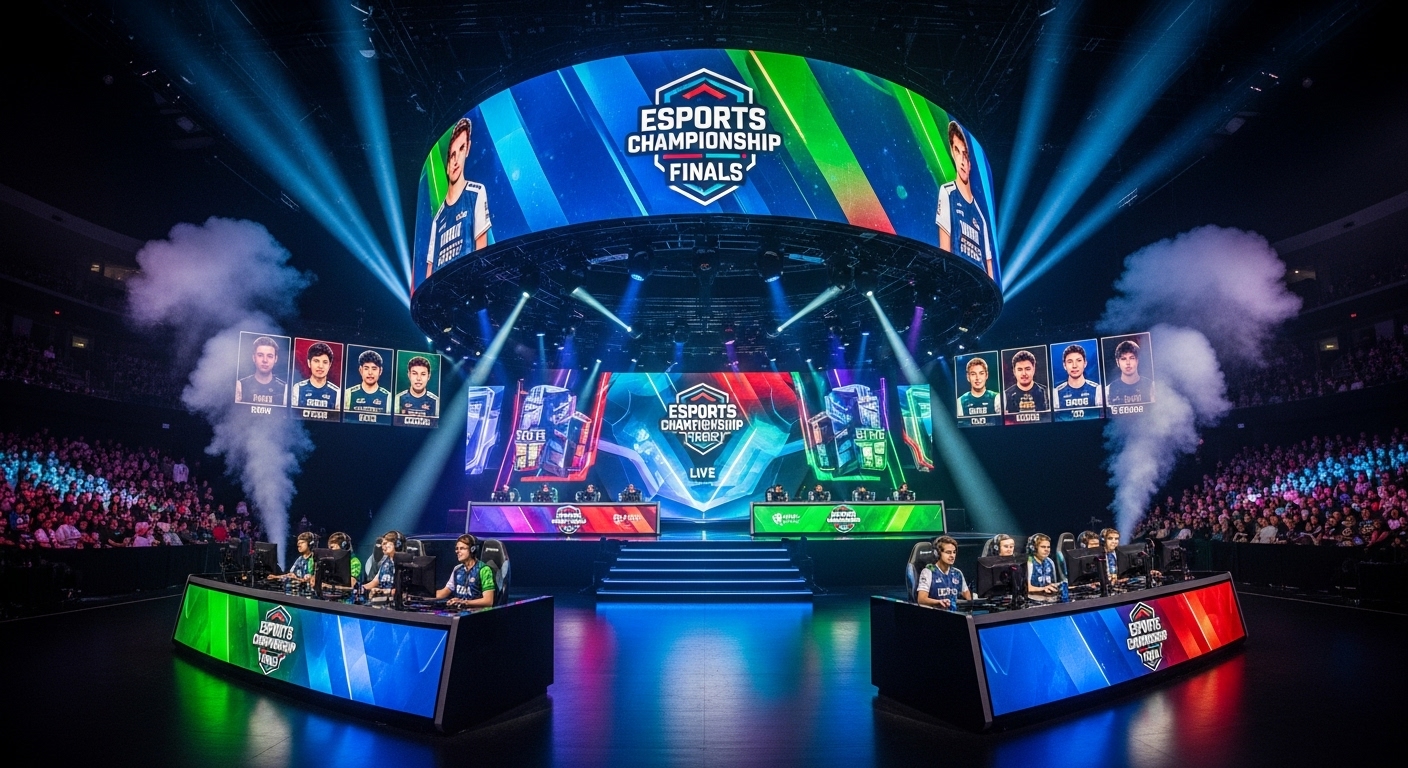
Esports has become a worldwide phenomenon, with tournaments broadcast across continents and players competing internationally. Cities like Seoul, Los Angeles, Berlin, and Shanghai host major esports events, with stadiums filled with fans cheering for their favorite teams.
The global appeal of esports lies in its accessibility and inclusivity. Anyone with a computer or console can participate, removing barriers that exist in traditional sports. Esports also unites players and fans from diverse backgrounds through a shared love for gaming, creating a sense of global community. This cultural impact is significant, as esports breaks down language and geographic barriers while promoting collaboration and competition on a massive scale.
Cultural Influence and Lifestyle Integration
Esports has permeated popular culture beyond gaming. It influences fashion, music, and lifestyle trends, with gaming-inspired merchandise, apparel, and digital events gaining popularity. Celebrities and traditional athletes investing in esports teams have bridged the gap between mainstream entertainment and digital competition.
Esports culture thrives on community interaction. Fans create content, participate in online forums, and engage with players through social media. Memes, live commentary, and fan-driven narratives contribute to a vibrant ecosystem that celebrates skill, strategy, and creativity. This culture reinforces the idea that esports is not just a pastime, but a dynamic lifestyle.
Education and Esports Opportunities
Esports has found its way into the educational sector. Universities and colleges now offer scholarships for skilled players, similar to traditional sports programs. Academic programs in game design, broadcasting, management, and digital marketing are preparing students for careers in the expanding esports industry.
Competitive gaming in educational settings teaches valuable skills such as teamwork, leadership, communication, and strategic thinking. Esports clubs and leagues in schools provide structured environments where students can develop their talents while learning essential life skills. This combination of entertainment and education has helped legitimize esports as a professional and developmental pursuit.
Mental and Physical Demands of Professional Gaming
Esports requires both mental agility and physical stamina. Professional players must maintain focus under intense pressure, make rapid decisions, and react quickly to dynamic game scenarios. Extended practice sessions demand discipline, endurance, and coordination.
Mental health has become a critical aspect of the esports ecosystem. Burnout, stress, and online harassment are real challenges for players. Organizations now employ psychologists, physical trainers, and wellness programs to support player health, ensuring longevity and consistent performance. This approach mirrors traditional sports, where athlete wellness is integral to long-term success.
Economic Impact of Esports
Esports is a significant contributor to the global economy. Revenue comes from sponsorships, advertising, media rights, merchandise, ticket sales, and in-game purchases. Major brands recognize the value of engaging with esports audiences, which are predominantly young and tech-savvy.
Esports events also boost local economies. Hosting international tournaments attracts tourism, creates jobs, and promotes infrastructure development. Cities that embrace esports gain recognition as innovation hubs, drawing tech companies and creative talent. The economic influence of esports extends far beyond gaming, impacting media, technology, and entertainment industries.
Challenges and Industry Concerns
Despite its growth, esports faces challenges. Player burnout is a pressing concern due to intense practice schedules and competitive demands. Maintaining fair play is another issue, as cheating, match-fixing, and performance-enhancing tools can threaten the credibility of competitions.
Inclusivity and diversity remain areas for improvement. Women and marginalized groups are often underrepresented in professional esports. Efforts such as women’s leagues, mentorship programs, and community outreach initiatives are working to create a more inclusive environment, slowly reshaping the competitive landscape.
The Future of Esports
The future of esports is promising and limitless. Emerging technologies like virtual reality, augmented reality, and artificial intelligence will redefine the way games are played and experienced. Fully immersive esports experiences could allow fans to feel as though they are inside the game itself, blurring the line between participant and spectator.
Esports will continue to gain recognition alongside traditional sports, with national teams, global competitions, and academic programs supporting professional growth. The evolution of esports reflects not only technological advancement but also a cultural shift toward digital entertainment, creativity, and global connectivity.
Conclusion: The New Era of Competition
Esports has grown from humble beginnings in arcades and university labs to a global phenomenon that shapes culture, entertainment, and technology. It represents skill, strategy, and passion, connecting communities worldwide. The industry’s influence extends into fashion, education, economics, and lifestyle, demonstrating that gaming is more than a pastime—it is a profession, a cultural movement, and a transformative force in the digital age.
As esports continues to evolve, it will redefine competition, entertainment, and human connection in a digitally connected world. The growth of esports is a testament to the limitless possibilities of technology, creativity, and the human desire to compete and excel.