The Rise of Esports: A Cultural Revolution in Gaming
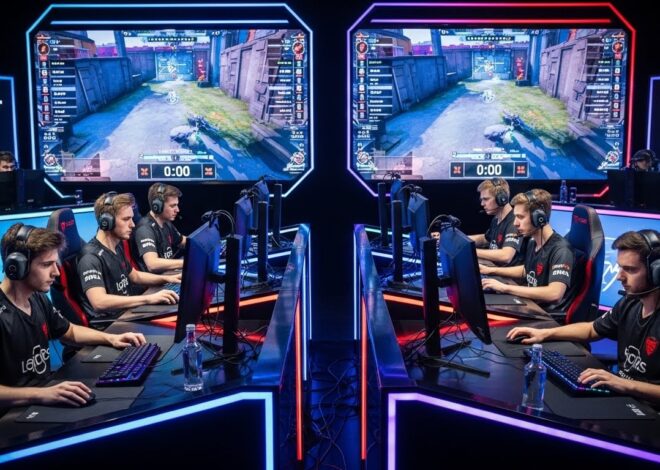
Esports, short for electronic sports, is more than just a buzzword in the gaming world—it’s a cultural revolution. Over the past decade, competitive gaming has evolved from a niche hobby to a global phenomenon, attracting millions of players, fans, and investors alike. From local tournaments to massive international championships, esports has woven itself into the fabric of modern entertainment. But what has fueled this rapid growth? How has it become a multi-billion-dollar industry, and what lies ahead for the future of competitive gaming?
The Origins of Esports
The roots of esports can be traced back to the early days of video gaming. Competitive gaming, or “electronic sports,” first emerged in the late 20th century with the advent of arcade games and PC gaming. Games like Space Invaders and Pong sparked an interest in competitive play, leading to the formation of local tournaments and competitions. However, it wasn’t until the late 1990s and early 2000s that esports truly began to take shape.
The launch of the StarCraft series, particularly StarCraft: Brood War, was a turning point for esports. The game’s deep strategy, fast-paced action, and widespread popularity among gamers paved the way for the first major esports events. South Korea, in particular, became the epicenter of the esports movement, with televised competitions and sponsorships turning pro gamers into celebrities. By the early 2000s, gaming had moved from basements and arcades into the global spotlight.
The Growth of Esports: A Global Phenomenon
Today, esports is a massive, global industry, and its growth shows no signs of slowing down. A key factor in this expansion has been the rise of online streaming platforms like Twitch, YouTube Gaming, and Facebook Gaming. These platforms have provided gamers with an outlet to showcase their skills, allowing fans to tune in from anywhere in the world to watch their favorite players and teams compete in real-time.
Another driving force behind the growth of esports is the increasing accessibility of gaming technology. High-speed internet, affordable gaming consoles, and powerful PCs have made it easier than ever for individuals to participate in esports. Whether you’re a casual player or a dedicated professional, the tools to get involved in competitive gaming are more accessible than ever before.
As the esports audience has expanded, so has the range of games that are considered competitive. While League of Legends and Counter-Strike: Global Offensive dominate the competitive scene, titles like Fortnite, Overwatch, Dota 2, and Valorant have carved out their own niches. Each game offers a unique blend of strategy, teamwork, and individual skill, attracting diverse audiences from all over the world.
Esports: A Multi-Billion Dollar Industry
Esports is no longer just a hobby for enthusiasts; it’s a multi-billion-dollar industry. According to industry reports, the global esports market is expected to surpass $1.5 billion by 2025, with significant revenue coming from sponsorships, advertising, media rights, ticket sales, and merchandise. This level of financial success has attracted major investors, from tech giants like Intel and Coca-Cola to traditional sports teams like the Dallas Cowboys and New England Patriots.
The explosion of esports has led to the rise of professional esports organizations. These organizations, much like traditional sports teams, sign players, provide coaching staff, and secure sponsorship deals. Top players, especially in games like League of Legends and Dota 2, can make millions of dollars a year through tournament winnings, sponsorships, and streaming revenue.
Esports’ profitability is also reflected in the size of its audience. According to estimates, there are over 450 million esports enthusiasts worldwide, and that number is expected to grow exponentially over the next few years. Major esports events, such as The International for Dota 2 or the League of Legends World Championship, attract millions of viewers, both online and in person. These events are broadcast globally, reaching audiences in countries as diverse as the United States, China, South Korea, and Brazil.
The Role of Esports in Traditional Sports
One of the most fascinating aspects of esports’ rise is its relationship with traditional sports. While the two might seem unrelated at first glance, esports and traditional sports share many similarities. Both involve intense competition, team dynamics, and high stakes, and both have passionate fanbases that follow their favorite players and teams.
In fact, many traditional sports organizations have started to embrace esports as a legitimate form of competition. Football teams like the Paris Saint-Germain (PSG) have their own esports divisions, while professional athletes such as LeBron James and Shaquille O’Neal have invested in esports organizations. Additionally, esports has found a home in major sports networks like ESPN, which regularly broadcasts esports tournaments alongside traditional sporting events.
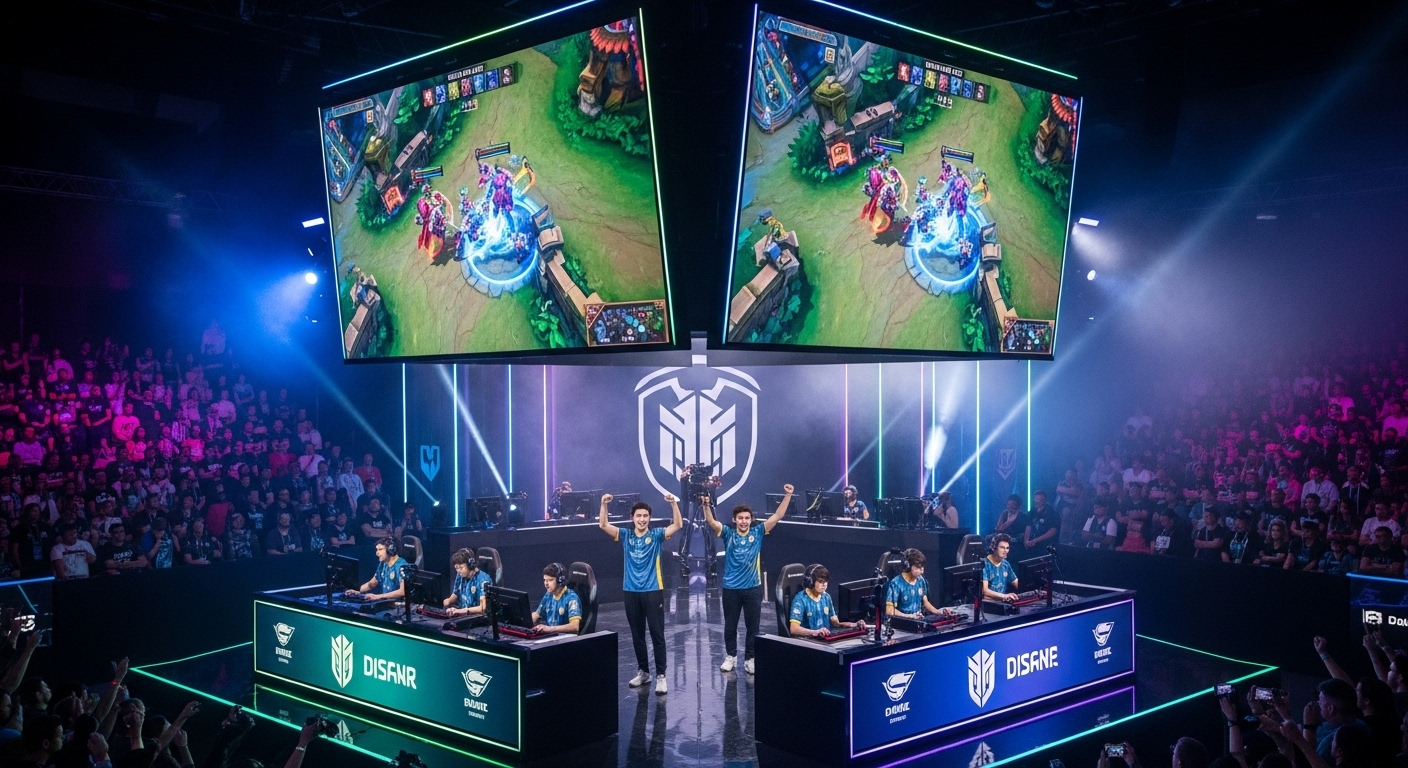
This integration of esports into the mainstream sports world has also led to the establishment of esports arenas and stadiums. These high-tech venues, specifically designed to host competitive gaming events, provide a venue for live audiences to watch esports competitions. The Mercedes-Benz Arena in Berlin, for example, regularly hosts League of Legends events, while The O2 Arena in London has become a staple location for major esports tournaments.
The Impact of Esports on Culture and Society
Esports is not just an industry; it has become a cultural phenomenon. The impact of esports on youth culture, entertainment, and even education is profound. In many ways, esports has blurred the lines between traditional sports and digital entertainment, leading to a new wave of entertainment consumption that is centered around gaming.
For young people, esports represents an opportunity to be part of a global community. Fans can connect with one another, participate in online tournaments, and follow their favorite players and teams on social media. Esports also offers players a unique avenue for career development, with many top players turning their passion for gaming into a full-time profession. In addition to competing, many esports professionals now have careers as streamers, content creators, and influencers.
Educational institutions are also embracing esports. Colleges and universities across the globe have established esports programs and scholarships, providing students with opportunities to pursue competitive gaming at the collegiate level. Some schools even offer specialized degrees in esports management, which teach students the skills necessary to work in this burgeoning industry.
The Future of Esports: What’s Next?
As esports continues to grow, its future looks incredibly bright. The integration of virtual reality (VR) and augmented reality (AR) could revolutionize the way esports competitions are played and viewed. Imagine watching a Counter-Strike match where you’re not just a spectator but an active participant in the action, able to move through the map and interact with the game world in real time.
In addition to technological advancements, the growth of esports will likely lead to greater mainstream acceptance. As the industry matures, esports could become as widely recognized and celebrated as traditional sports, with players being seen as athletes in their own right. This shift in perception will open the door for even more investment, more tournaments, and more opportunities for aspiring gamers to turn their passion into a career.
The future of esports may also involve greater international cooperation and collaboration. Currently, esports is largely segmented by region, with different countries dominating certain games and tournaments. However, as the esports ecosystem becomes more unified, we could see larger, more inclusive international tournaments that bring players from all corners of the globe together.
Conclusion
Esports has come a long way since its humble beginnings in the arcades and online communities. What began as a niche hobby has transformed into a global cultural force, touching the lives of millions of gamers and fans worldwide. With its rapid growth, massive economic impact, and increasing recognition from traditional sports, esports is poised to continue shaping the entertainment landscape for years to come. The future of gaming is bright, and esports will undoubtedly play a central role in its evolution.