From Controllers to Championships: The Rise and Impact of Esports
Esports, short for electronic sports, has transformed from a casual hobby into a global phenomenon, redefining the way we perceive competitive entertainment. What started as small-scale competitions among friends in living rooms and local arcades has grown into a multi-billion-dollar industry, attracting millions of viewers, professional players, and corporate sponsorships worldwide. Esports is more than just gaming; it is a cultural movement, a professional career path, and a technological driver that is shaping modern entertainment. This blog explores the evolution of esports, its structure, cultural impact, economic significance, challenges, and the future of this rapidly expanding industry.
The Evolution of Esports
Esports began in the late 20th century as informal competitions for high scores in arcade games like Pac-Man and Space Invaders. As home computers and consoles became more common, multiplayer games gained popularity, allowing friends and local communities to compete against each other. The 1990s saw the rise of competitive PC games such as StarCraft and Counter-Strike, which laid the foundation for organized esports tournaments.
With the advent of high-speed internet and online multiplayer platforms, esports transitioned from local competitions to global stages. Players from different regions could compete against each other in real time, opening the doors to international tournaments and leagues. Today, esports spans multiple genres, including strategy games, first-person shooters, battle royales, and sports simulations, catering to diverse audiences and competitive styles.
Structure of Esports Competitions
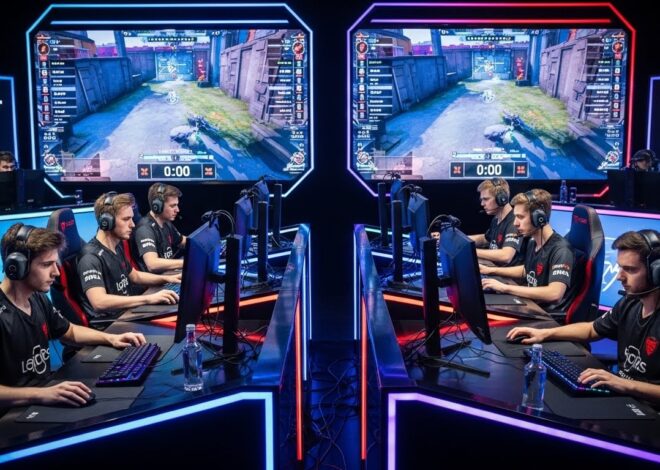
Esports competitions range from small local events to massive international championships with millions of viewers and multi-million-dollar prize pools. Professional leagues mirror traditional sports, with structured seasons, ranked teams, and official standings. Games like League of Legends, Dota 2, Counter-Strike: Global Offensive, and Valorant dominate the competitive scene, each with its own set of rules, strategies, and tournament formats.
Teams often train rigorously, practicing for several hours a day to refine mechanics, develop strategies, and enhance teamwork. Just like professional athletes, esports players focus on mental preparation, communication skills, and physical wellness to maintain peak performance. These competitions demand precision, quick thinking, and strategic planning, proving that esports requires both skill and discipline.
The Role of Teams and Organizations
Professional esports teams and organizations provide structure and support to players, helping them succeed at the highest level. Teams recruit talent, offer coaching, mental health support, and training facilities, ensuring that players can perform consistently. Organizations also handle sponsorships, branding, marketing, and fan engagement, creating sustainable revenue models.
Fan communities play a crucial role in esports culture. Just as traditional sports fans support their favorite clubs, esports enthusiasts follow teams, attend live events, and engage with players online. This interactive fan base fosters loyalty and creates a vibrant ecosystem where players and fans share experiences, celebrate victories, and analyze performances together.
Cultural Significance of Esports
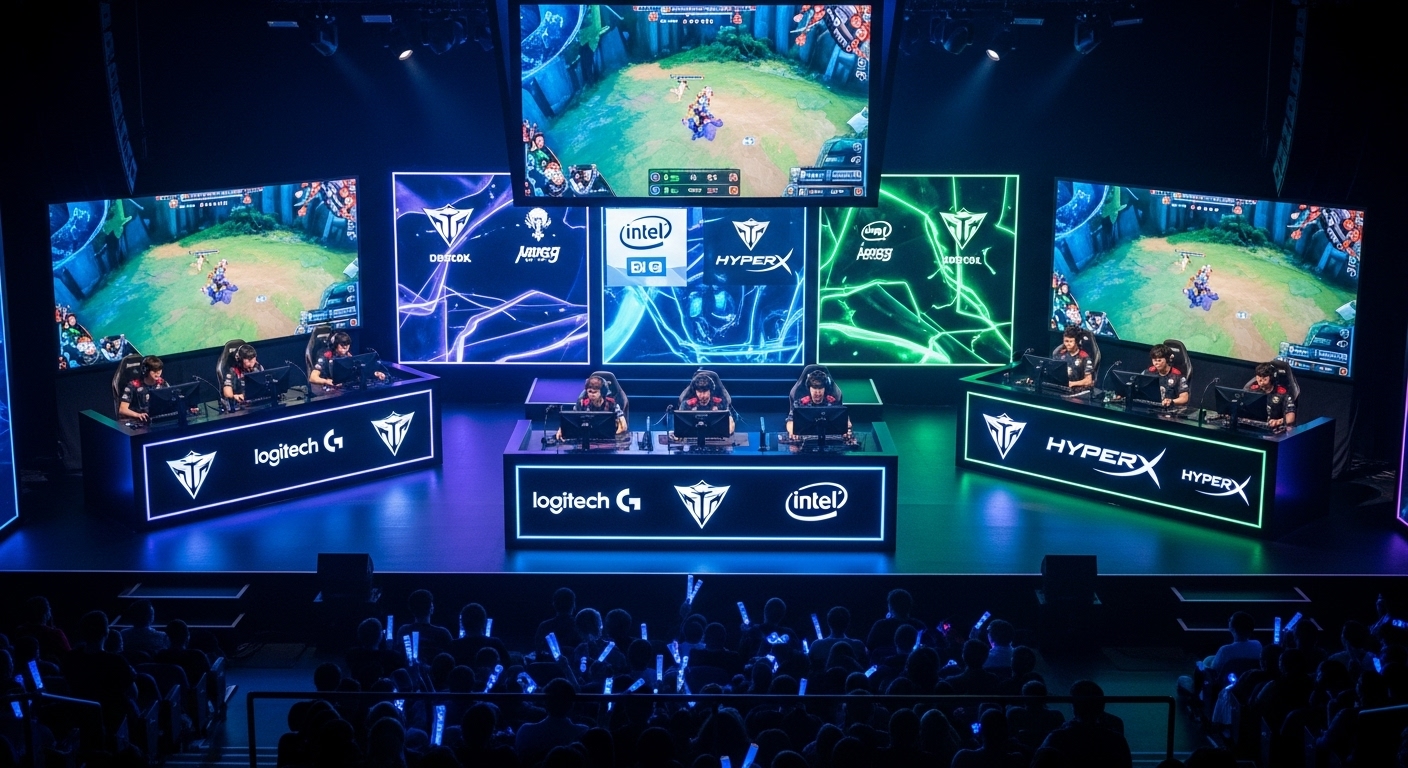
Esports has had a profound cultural impact, influencing fashion, language, music, and entertainment. Iconic games inspire fan art, memes, and creative content, while professional players become cultural icons. Esports events attract audiences comparable to major sports tournaments, with fans gathering in arenas or tuning in via live streams to experience the excitement.
The rise of esports challenges traditional definitions of athleticism. While physical exertion may be minimal, competitive gaming requires reflexes, strategy, teamwork, and mental endurance. Esports has broadened society’s understanding of competition, proving that excellence can be achieved in virtual arenas as well as on physical fields.
Economic Growth and Career Opportunities
The esports industry has experienced explosive economic growth, with revenue streams from sponsorships, advertising, merchandise, media rights, and ticket sales. Global brands, from gaming hardware manufacturers to lifestyle companies, are investing heavily in esports, recognizing its influence and reach.
Esports offers diverse career opportunities beyond professional play. Analysts, coaches, commentators, event organizers, marketers, content creators, and technical support staff contribute to the ecosystem. This diversity demonstrates that esports is a multifaceted industry, offering both creative and professional avenues for individuals passionate about gaming and entertainment.
Mental and Physical Demands of Esports
Esports is not as sedentary as it may appear. Professional players face significant mental and physical demands, including long hours of practice, high-pressure competitions, and the need for sustained concentration. Mental resilience, focus, and strategic thinking are crucial for success, while stress management and teamwork are equally important.
Physical health is also essential. Repetitive strain injuries, poor posture, and eye strain are common challenges. Many organizations now integrate fitness routines, nutrition plans, and wellness programs to support players’ physical and mental well-being. This holistic approach ensures longevity in a career that requires intense dedication and focus.
Educational Integration of Esports
Esports is increasingly being recognized in educational institutions. Universities and schools are establishing competitive gaming programs that offer scholarships, structured training, and opportunities for students to compete at collegiate levels. These programs teach valuable skills such as leadership, teamwork, communication, and time management, which are transferable beyond gaming.
By integrating esports into education, institutions validate gaming as a legitimate field for skill development, professional growth, and academic exploration. Students learn not only game mechanics but also strategic thinking, collaboration, and digital literacy, equipping them for diverse career paths.
Challenges in the Esports Industry
Despite its growth, esports faces several challenges. Player burnout is a significant issue, with many professionals experiencing mental fatigue due to rigorous practice schedules and competitive pressure. Ensuring mental health support and creating sustainable training routines is essential for the well-being of players.
Inclusivity and diversity remain areas for improvement. Although progress has been made, the industry must continue to foster an environment where players of all genders, backgrounds, and abilities feel welcome and represented. Additionally, public perception of esports as a legitimate competitive activity still varies, requiring continued advocacy and education.
Global Reach of Esports
Esports is a truly global phenomenon, with strong followings in Asia, North America, Europe, and beyond. Countries like South Korea, China, and the United States have developed professional infrastructures, including leagues, arenas, and training facilities. International tournaments bring players and fans together, promoting cross-cultural interactions and fostering global communities united by shared passion.
The globalization of esports allows strategies, trends, and innovations to spread quickly. Players learn from international competition, fans engage in online discussions across time zones, and organizations collaborate worldwide, creating a connected and dynamic ecosystem that transcends borders.
Technological Innovations in Esports
Esports has driven technological advancements in hardware, software, and networking. High-performance gaming rigs, cloud-based platforms, and advanced graphics engines enable smoother and more immersive experiences. Virtual reality and augmented reality are beginning to introduce new competitive formats, offering players and audiences innovative ways to interact with games.
Artificial intelligence and data analytics are also transforming esports. Teams use AI to analyze opponents, refine strategies, and optimize training schedules. Fans benefit from enhanced viewing experiences, with real-time stats, interactive streams, and immersive commentary enriching the esports ecosystem.
The Future of Esports
The future of esports promises continued growth, innovation, and integration with other forms of entertainment. Virtual reality and augmented reality will create immersive, interactive experiences that blur the line between spectatorship and participation. Artificial intelligence could personalize training, audience engagement, and in-game experiences, making esports more dynamic and accessible.
Collaborations with music, film, and fashion industries are already creating hybrid events that expand esports’ reach and appeal. As technology advances and cultural acceptance grows, esports is poised to become a central pillar of global entertainment, influencing media, lifestyle, and social interaction for years to come.
Conclusion: Esports as a Cultural and Professional Revolution
Esports is more than competitive gaming; it is a cultural and professional revolution. It has transformed entertainment, created career opportunities, and redefined what it means to compete. From small tournaments to global championships, esports connects players, fans, and communities worldwide, celebrating skill, strategy, creativity, and collaboration.
The growth of esports demonstrates that gaming is a legitimate platform for excellence, education, and cultural impact. As the industry continues to expand, esports will remain a vital part of entertainment, shaping the way people play, watch, and engage with games. It is a testament to the power of technology, community, and human creativity, proving that the thrill of competition extends far beyond the screen.