Esports Evolution: The Rise of Competitive Gaming as a Global Powerhouse
Introduction: Esports Beyond Gaming
Esports, short for electronic sports, has grown from a niche hobby into a global cultural phenomenon. What began as casual gaming competitions among friends has transformed into an organized industry with professional players, massive tournaments, and passionate fan communities. Today, esports is recognized not only as entertainment but also as a legitimate career path, a driver of technological innovation, and a unifier of global audiences. This transformation reflects the merging of digital technology, competitive strategy, and human creativity into a thriving ecosystem that rivals traditional sports in both popularity and revenue.
The Origins of Esports
The roots of esports date back to the late 1970s and early 1980s when the first organized video game competitions took place in arcades and universities. Games such as Pong, Space Invaders, and later Street Fighter offered players opportunities to test their skills against one another. The 1990s saw the rise of competitive games like StarCraft and Counter-Strike, which laid the foundation for professional gaming communities. The proliferation of the internet allowed players from different regions to compete online, expanding esports into a global activity. These early developments set the stage for the professional and highly organized esports industry we see today.
Popular Esports Games
Esports spans multiple genres, each attracting a dedicated following and professional leagues. Multiplayer online battle arena games like League of Legends and Dota 2 are known for their strategic depth and teamwork. First-person shooters such as Counter-Strike: Global Offensive and Call of Duty emphasize precision, reflexes, and tactical coordination. Sports simulation games like FIFA and NBA 2K bring traditional athletic competition into the digital realm. Fighting games such as Tekken and Street Fighter challenge individual skill and quick thinking. Each game creates a unique competitive environment, offering players and fans countless ways to engage and compete.
Professional Esports Teams and Players
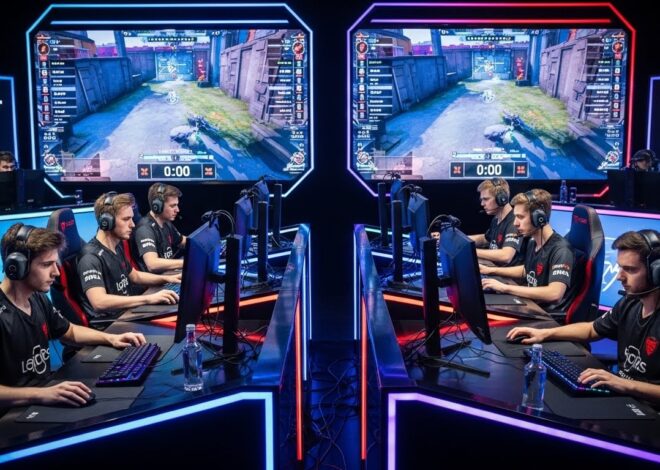
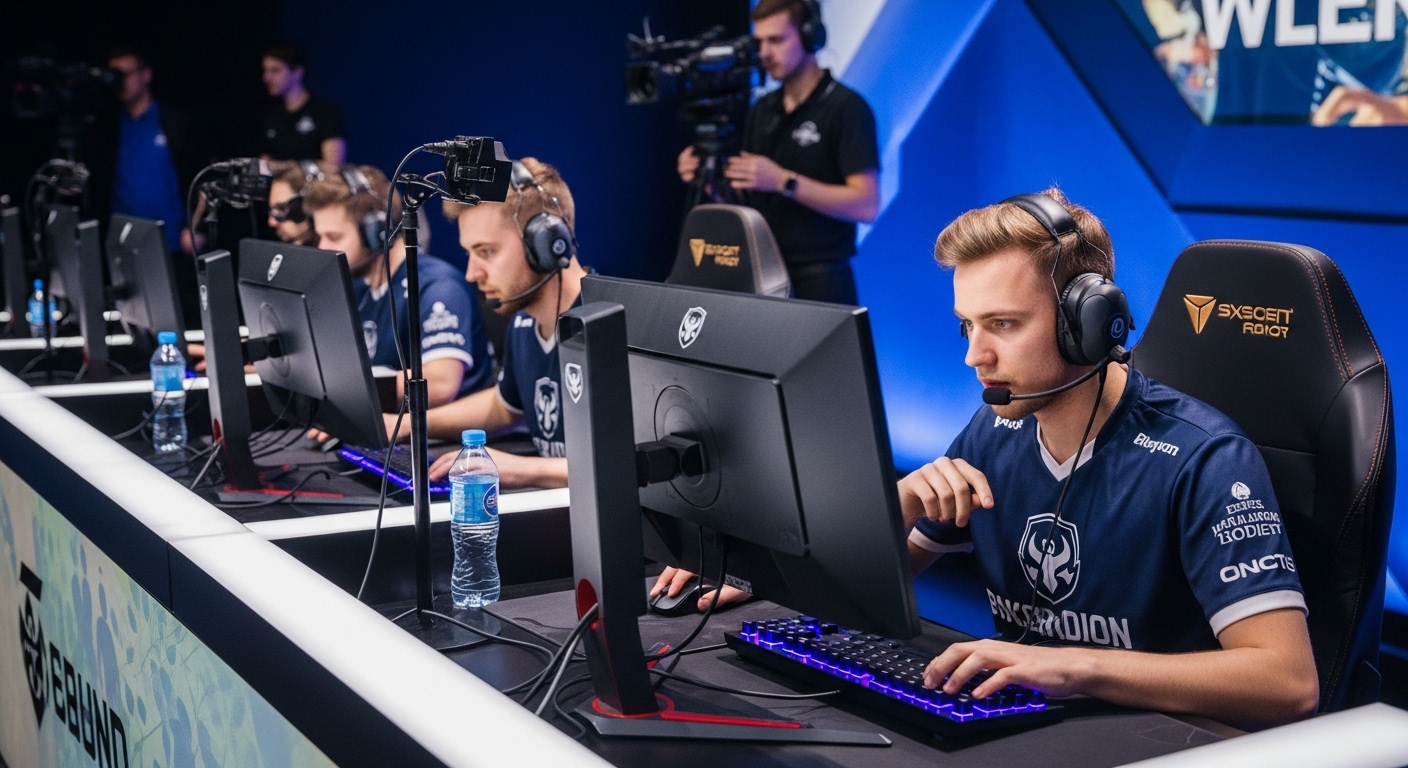
The professional esports ecosystem mirrors traditional sports, featuring teams, coaches, managers, analysts, and sponsorships. Players dedicate hours each day to practice, strategy sessions, and mental conditioning. Success depends not only on reflexes but also on communication, teamwork, and game intelligence. Top players are celebrated as celebrities, with fan followings rivaling those of traditional athletes. Esports organizations invest heavily in infrastructure, including gaming houses, training facilities, and performance analytics. This professionalization ensures that players can compete at the highest level while fans enjoy top-quality competition.
Esports Tournaments and Leagues
Tournaments are the heart of esports, offering players a stage to showcase their skills and fans a chance to experience live competition. Major events like The International for Dota 2, the League of Legends World Championship, and the Fortnite World Cup draw millions of viewers from around the globe. Prize pools have grown exponentially, sometimes exceeding tens of millions of dollars, reflecting the industry’s economic scale. Competitive leagues, similar to traditional sports seasons, provide structure and continuity, allowing teams to develop strategies and build rivalries. Tournaments also highlight esports as an inclusive platform, bringing together players and fans from diverse cultural and geographic backgrounds.
Streaming and Viewer Engagement
Streaming platforms like Twitch, YouTube Gaming, and Facebook Gaming are crucial to esports’ growth. These platforms allow fans to watch live matches, interact with players, and follow gaming personalities. Streamers engage their communities through commentary, tutorials, and live interaction, creating a participatory viewing experience. Streaming has also democratized content creation, enabling amateur players to build followings and gain recognition. This interactivity strengthens the connection between players and fans, creating vibrant communities that extend beyond traditional tournament venues.
Training, Strategy, and Mental Conditioning
Esports requires more than fast reflexes; mental acuity and preparation are essential. Professional players engage in daily practice, reviewing gameplay, refining strategies, and studying opponents. Mental conditioning, focus exercises, and stress management are crucial to maintaining peak performance under high-pressure situations. Physical fitness also plays a role, as endurance, posture, and hand-eye coordination affect gameplay. This combination of cognitive, emotional, and physical preparation highlights the professionalism of esports and challenges misconceptions that it is a purely casual activity.
The Economics of Esports
Esports has become a lucrative industry, attracting sponsorships, advertising, media rights, and merchandise sales. Global brands see esports as a powerful marketing tool to reach younger, tech-savvy audiences. Organizations generate revenue through tournament prize pools, team sponsorships, live events, and online streaming. Investments in esports infrastructure, including arenas and digital platforms, have fueled its expansion. The financial growth of esports reflects its mainstream acceptance and reinforces its status as a legitimate business sector.
Esports in Education
Esports has also made its way into education, with universities offering scholarships and academic programs dedicated to competitive gaming. Schools are incorporating esports clubs and competitions into extracurricular activities, teaching students teamwork, strategy, and digital literacy. Academic studies examine the cognitive, social, and economic impact of esports, highlighting its potential to develop valuable skills. This integration demonstrates that esports is more than entertainment—it is a platform for learning, personal growth, and career development.
Social and Cultural Impact of Esports
Esports fosters community, inclusivity, and global connection. Players and fans interact through online forums, chat platforms, and social media, forming relationships that transcend geographic and cultural boundaries. The competitive gaming community emphasizes collaboration, creativity, and mutual respect. Esports has influenced popular culture, inspiring music, fashion, and media content. Its global appeal demonstrates that digital competition is not just a pastime but a cultural movement that unites millions of people with shared passion and identity.
Challenges in the Esports Industry
Despite rapid growth, esports faces challenges that must be addressed to ensure sustainability. Player burnout, mental health pressures, and intense training schedules are significant concerns. Cheating, hacking, and unfair play threaten the integrity of competitions. Inconsistent regulations across countries complicate tournament organization and player contracts. Smaller teams and organizations struggle with funding and monetization. Addressing these challenges requires responsible governance, ethical standards, and support systems for players and organizations alike.
Technology Driving Esports
Esports relies heavily on technological innovation, from high-performance gaming hardware to advanced software and high-speed internet connectivity. Analytics and performance-tracking tools allow teams to develop strategies and improve gameplay. Virtual reality, augmented reality, and artificial intelligence are expanding the boundaries of competitive gaming. Technology not only supports gameplay but also enhances fan engagement, streaming quality, and interactive experiences. Continuous innovation ensures that esports remains dynamic, competitive, and forward-looking.
The Globalization of Esports
Esports has achieved remarkable global reach, connecting players and fans from every continent. International tournaments showcase diverse talent, foster cultural exchange, and create shared experiences across borders. Esports organizations establish training academies and partnerships worldwide, nurturing talent in regions previously excluded from professional gaming. This globalization strengthens the industry and demonstrates its potential to influence global culture, entertainment, and sports in unprecedented ways.
The Future of Esports
The future of esports promises continued expansion in technology, audience engagement, and professional opportunities. Advances in virtual reality, augmented reality, and artificial intelligence will redefine both gameplay and spectator experiences. Increased inclusion in education, mainstream sports events, and global media will elevate esports’ legitimacy and influence. As audiences grow and investments increase, esports will continue to blur the lines between entertainment, competition, and technology, shaping a unique ecosystem that integrates digital culture with professional sportsmanship.
Conclusion: Esports as a Transformative Force
Esports has evolved from casual gaming into a professional, global, and culturally influential phenomenon. It combines technology, strategy, skill, and community in a way that traditional sports could never have imagined. Professional players dedicate years to mastery, while fans engage through tournaments, streaming platforms, and online communities. The industry faces challenges, yet its growth, recognition, and innovation demonstrate that esports is here to stay. As technology advances and the global community expands, esports will continue to redefine competition, entertainment, and human connection in the digital age.